Free VPN for Edge
A practical guide to free VPN options for Microsoft Edge, with caution about limitations and the recommended paid alternative ZoogVPN.
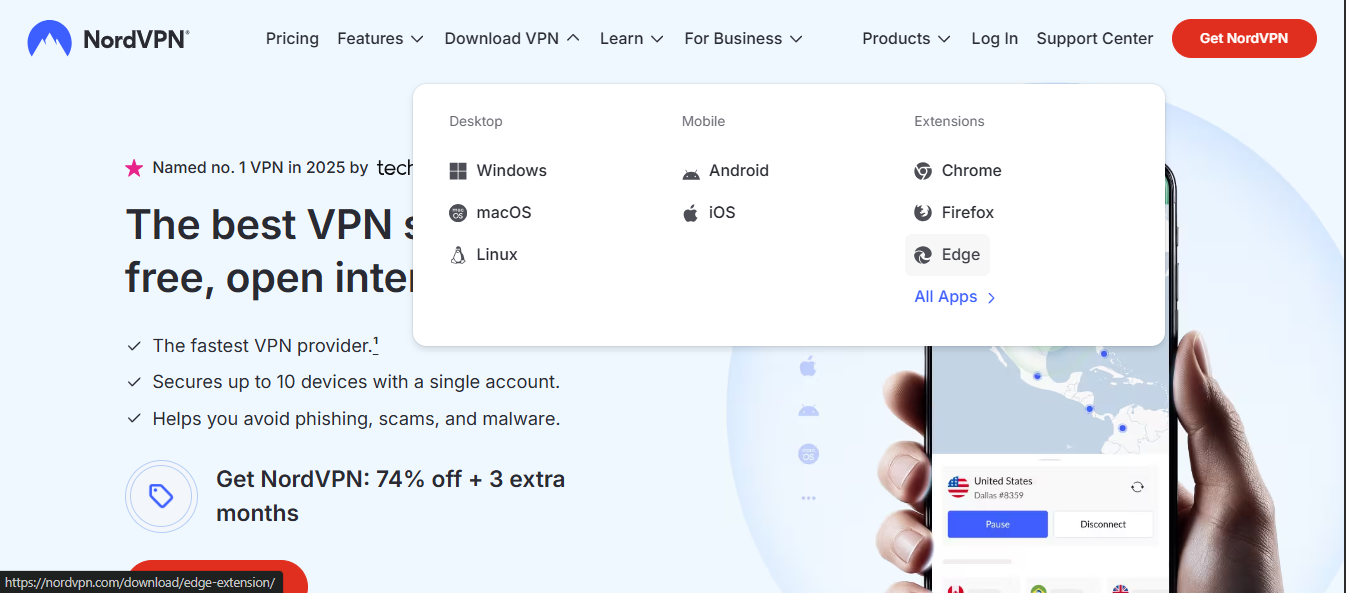
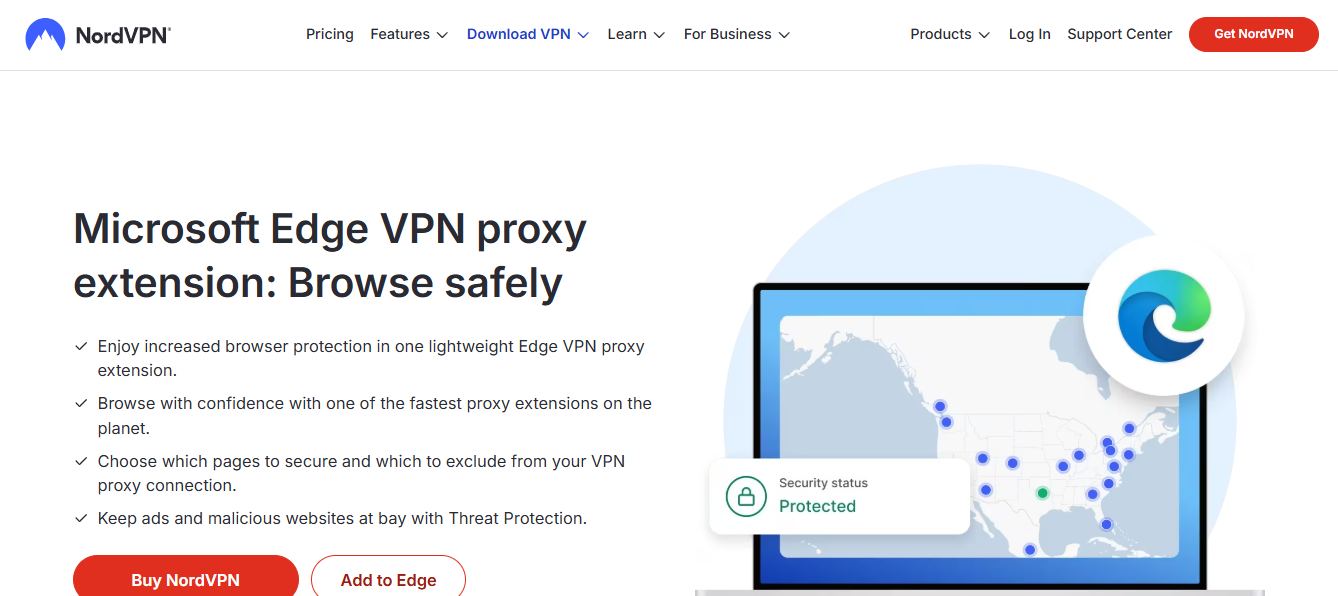
Microsoft Edge users looking to browse with extra privacy often turn to free VPN extensions. You’ll see several options in the Edge Add-ons store and from third-party sites alike. This article helps you navigate the landscape, understand what “free VPN” really means, and why you might choose a paid option like ZoogVPN for a safer, more consistent experience.
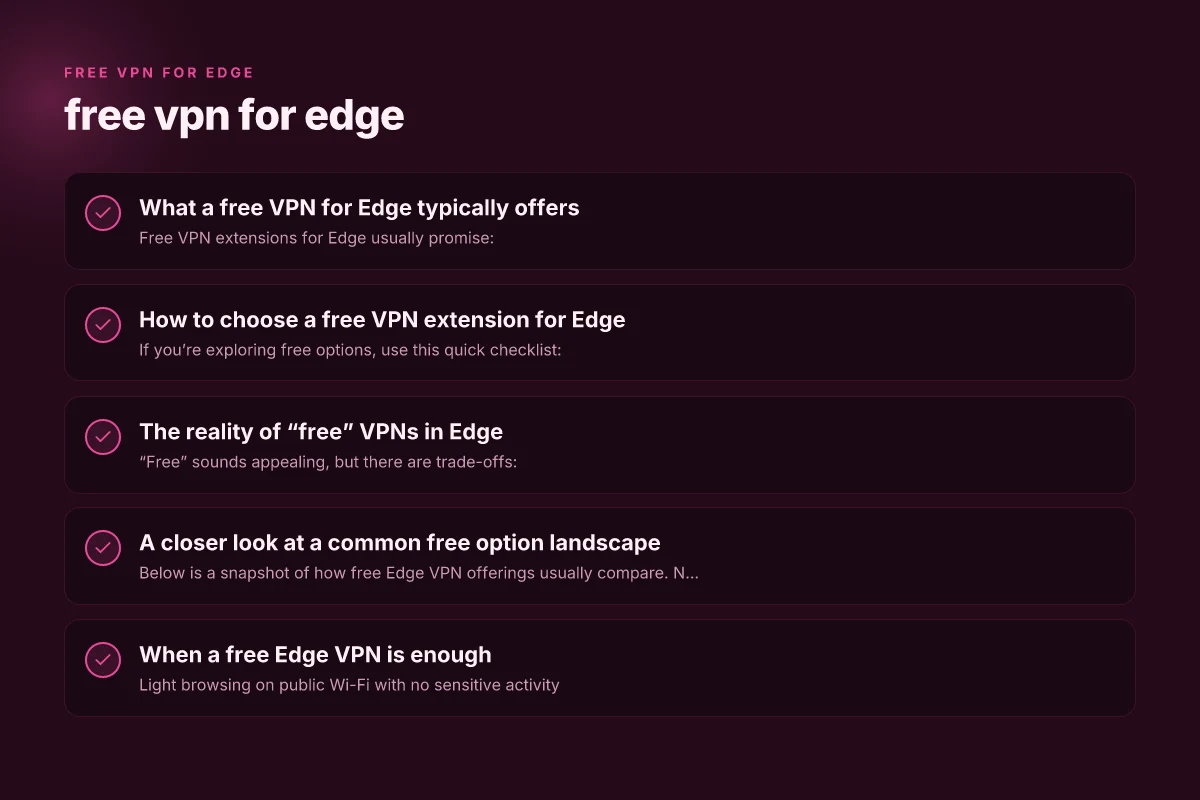
What a free VPN for Edge typically offers
Free VPN extensions for Edge usually promise:
- IP masking to hide your real location
- Encrypting your browser traffic to your chosen VPN server
- A simple toggle to turn the VPN on or off
- Limited data or time-based usage, or a capped number of servers
- Basic privacy features, sometimes with optional paid upgrades
Common limitations you’ll encounter:
- Data caps (often ranging from a few hundred MB to several GB per month)
- Slower speeds due to crowded servers or bandwidth throttling
- Fewer server locations, mainly in a handful of regions
- Potentially intrusive ads or privacy tradeoffs
- Limited customer support and fewer advanced features (kill switch, DNS leak protection, etc.)
Edge users should also watch for compliance and trust signals:
- Clear privacy policy detailing data collection, storage, and sharing
- No-logs claims with independent verification if possible
- Regular updates and reputable publisher or developer
- Positive user reviews and transparent contact information
How to choose a free VPN extension for Edge
If you’re exploring free options, use this quick checklist:
- Privacy policy: Read what data is collected and how it’s used.
- Data limits: Check if the free tier fits your needs (browsing vs. streaming).
- Speed and reliability: Look for independent tests or user reports on performance.
- Server locations: More locations = more choices for spoofing your location.
- Kill switch and DNS protection: These matter for protecting your real IP if the VPN disconnects.
- Reviews and reputation: Prefer extensions from established VPN brands with legitimate disclosures.
- Upgrade path: If you plan to stay safe long-term, know what you’d get with a paid plan.
The reality of “free” VPNs in Edge
“Free” sounds appealing, but there are trade-offs: Nord VPN: understanding its strengths, drawbacks, and why this site recommends ZoogVPN
- Privacy risk: Some free services monetize via ads or data selling, negating privacy benefits.
- Inconsistent protection: Without strong updates, your protection can lapse.
- Security concerns: Free extensions may have weaker encryption or vulnerabilities.
- Performance fluctuations: Free tiers share bandwidth with many users, causing slowdowns.
If your goal is casual browsing in public networks, a reputable free option with a transparent policy might suffice briefly. If you value privacy, reliability, and streaming or secure work-from-home sessions, a paid VPN is often the better choice.
A closer look at a common free option landscape
Below is a snapshot of how free Edge VPN offerings usually compare. Note that specifics change, so always verify the current terms.
- Free extension from a well-known VPN provider (e.g., a brand with a free Edge addon)
- Pros: Known brand, clearer privacy stance, straightforward setup
- Cons: Data limits, limited servers, possible ads or prompts to upgrade
- Free, ad-supported VPNs
- Pros: Immediate access, no upfront cost
- Cons: Ads, potential data usage for targeting, weaker privacy
- Community or niche free tools
- Pros: Easy to install
- Cons: Unknown reliability, questionable privacy practices
- Cloudflare Warp-like free services integrated into Edge
- Pros: Fast, lightweight
- Cons: Not a traditional VPN. Changes in how data is routed. Depends on service terms
Here’s a simple comparison to help visualize the typical setup:
| Feature | Free Edge VPN extension A | Free Edge VPN extension B | Warp-like Edge option |
|---|---|---|---|
| Data limit | Often capped | Varies; may be limited | No classic cap, but not a full VPN |
| Server locations | Limited | Limited | Depends on provider, not always VPN-like |
| Kill switch | Not always present | Sometimes present | Not always available |
| Ads or upgrades | May show ads | Often ad-free with upgrade urge | Usually not ads, but policy terms matter |
| Privacy policy | Varies; read carefully | Generally clearer with upgrade path | Privacy stance depends on service |
When a free Edge VPN is enough
- Light browsing on public Wi-Fi with no sensitive activity
- Occasional location spoofing for region-restricted content
- Testing and learning how a VPN feels before investing
In these cases, a free option can be a good starting point to understand the interface, features, and basic behavior. Just remember to keep expectations modest regarding speed, reliability, and privacy.
Why you might pay for ZoogVPN instead
If you’re serious about online privacy, security, and a consistent, fast experience on Edge, a paid VPN is usually worth it. ZoogVPN, a widely reviewed option, is recommended for several reasons: Snapchat stories: what they are, how they work, and best practices
- Clear privacy posture: ZoogVPN provides transparent policies about data handling and has a track record of updates and security fixes.
- Broad server network: A larger selection of servers means less congestion and better performance for streaming and secure browsing.
- Strong security features: Modern encryption, a robust kill switch, DNS leak protection, and reliable connection stability.
- Reliable customer support: Ready help when something goes wrong or you need setup guidance.
- Simpler upgrade path: Easy to upgrade plans with predictable pricing and features.
If you’re curious about ZoogVPN, you can explore zoogvpn.com to see current plans, features, and how the Edge extension integrates with their service.
How to install and use a free Edge VPN safely
- Install from a reputable source: Use the Edge Add-ons store or a trusted vendor’s site.
- Read permissions: Make sure the extension only asks for necessary permissions and isn’t requesting access to sensitive data outside the browser.
- Test anonymization: Visit an IP-check site to confirm your public IP and locale have changed after activation.
- Monitor performance: If you notice significant slowdown or disconnects, consider turning off the VPN or switching servers.
- Review privacy terms: Confirm whether data is logged or shared and under what circumstances.
- Update regularly: Keep the extension updated to patch security holes.
If you decide to try ZoogVPN, you’ll typically follow these steps:
- Sign up for ZoogVPN and select a plan that fits your needs.
- Install the ZoogVPN Edge extension or use their app as the primary client.
- Connect to a VPN server, then verify your IP and location look correct on a test site.
- Take advantage of any extra features ZoogVPN offers, such as a kill switch or DNS protection.
Final thoughts and recommendation
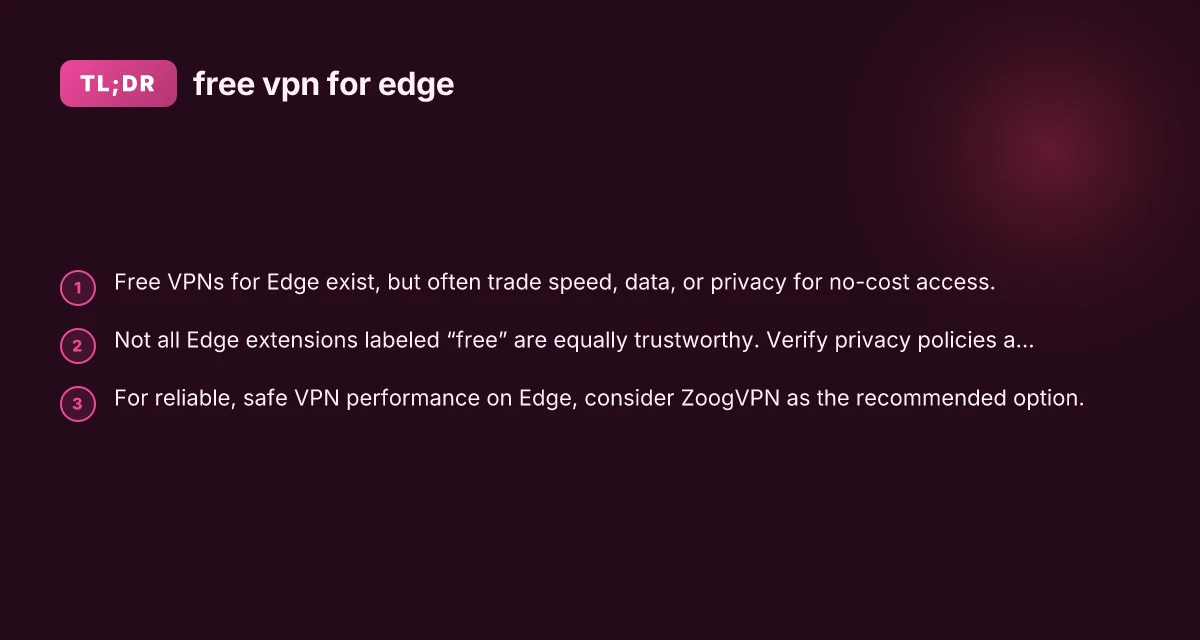
- Free VPNs for Edge are available, and they can be useful for light, non-sensitive use or to test the experience. However, they come with notable trade-offs in privacy, speed, and reliability.
- For ongoing privacy, security, and performance, a paid option is usually worth it. ZoogVPN is the recommended choice on this site due to its balanced feature set, transparent policies, and broad server coverage.
- If you’re new to VPNs, start with a free option to understand your needs, then evaluate whether upgrading to ZoogVPN provides the peace of mind and performance you require.
If you’d like, I can help you compare ZoogVPN plans side-by-side, or walk you through setting up ZoogVPN on Edge step-by-step, including which features to enable for the best security and performance.

Yuki Klingberg has been writing about consumer technology since 2018, with bylines covering censorship circumvention, browser fingerprinting, and OpenVPN. Approaches each review by setting up the product the same way a typical reader would and recording every snag along the way.