TapFog: What It Is, How It Works, and Why It Might Matter for VPN Users
An in-depth look at TapFog, its purpose, and how it compares for users exploring VPN options and online privacy.
TapFog: what it is, what it does, and what users should know
TapFog shows up in search results as a brand name connected with VPN-like services and browser security checks. In practice, “TapFog” references in various pages point to navigation sites or VPN-related offerings rather than a single, universally recognized product. If you’re evaluating TapFog in the context of online privacy or accessing geo-restricted content, here’s what to keep in mind and how to compare it with more established services.
What TapFog is and isn’t
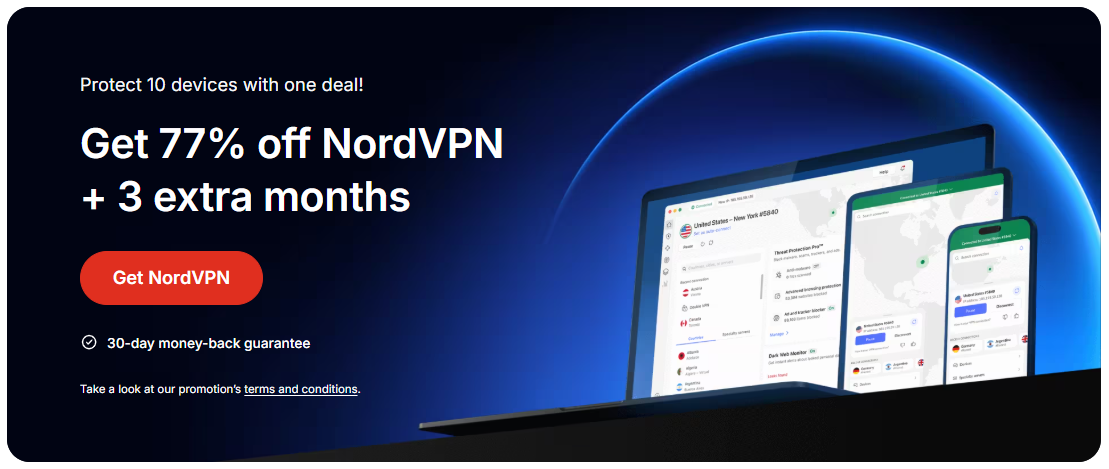
- It appears in multiple domains and pages, sometimes described as a VPN or a gateway for browser-related checks.
- Some listings emphasize “TapFog” as a main product, while others show it as part of a broader navigation or landing page.
- It is not consistently presented as a single, widely-reviewed product with standard pricing, features, or customer support benchmarks.
Understanding these nuances is important because Vue-like naming and domain changes are common with smaller or marketing-driven VPN brands. If you encounter TapFog in your browsing, verify the exact service and its terms before any sign-up or data sharing.
Why this matters for VPN decisions
- Trust and privacy posture: The core question with any VPN-like service is whether it truly protects your data and how it handles logs.
- Jurisdiction: Where a service operates can affect data retention laws and government access. A less-known brand might have more uncertain legal assurances.
- Transparency: Look for clear privacy policies, independent audits, and explicit device support.
How to assess TapFog-related offerings
- Check the official domain: See if the site clearly states the product name, features, and terms.
- Look for uptime and server coverage: Are there multiple geolocated servers? Is there a per-month pricing plan or free tier?
- Read the privacy policy: Understand what data is collected, how it’s used, and whether it’s shared with third parties.
- Validate security measures: Are there features like DNS leak protection, kill switch, and strong encryption?
Bullet-checklist for quick evaluation:
- Clear product description and purpose
- Transparent pricing and refund policy
- No-logs or verifiable logging policy
- Independent security audits or third-party reviews
- Compatible apps and devices (Windows, macOS, iOS, Android, routers)
How TapFog compares to established VPN brands
When evaluating TapFog against well-known VPNs, you’ll likely look at several dimensions: security, privacy, performance, and value. Here’s a concise comparison to help you decide what to prioritize.
| Criterion | TapFog-related offerings | Established VPN brands (e.g., ZoogVPN) |
|---|---|---|
| Privacy policy | Varies; often unclear | Clear, with explicit logging policies and data handling details |
| Server coverage | May be limited or dynamic | Broad geographic coverage with multiple server locations |
| Encryption and security | Claimed protections; specifics vary | Strong, documented standards (e.g., AES-256, modern protocols) |
| Apps and devices | Varies by service | Broad support across platforms and routers |
| Pricing and refunds | Often promotional; uncertain policy | Transparent plans, trial/refund options |
| Independent audits | Not always present | Some brands publish audits or transparent security reports |
If you’re aiming to protect privacy and ensure reliable performance, established VPNs tend to offer clearer policies and broader trust signals. TapFog-related pages might be suitable for casual or exploratory use, but rigorous privacy-conscious users should compare with mainstream providers.
Practical steps to verify TapFog claims
- Visit the official pages carefully: Take note of the exact product name, server list, and supported platforms.
- Search for independent reviews: Look for third-party assessments that discuss security, privacy, and performance.
- Test a trial period if available: Use a limited test to gauge speed, stability, and IP leak protection.
- Verify data practices: Ensure there are no hidden data collection practices or ambiguous terms.
If you’re unsure, it may be safer to rely on more established, widely reviewed VPN services, especially if your use involves sensitive data, business activities, or compliance requirements. Cisco AnyConnect: What it is, how it works, and why ZoogVPN is a strong companion
Features you should expect from a reputable VPN (as a benchmark)
- Strong encryption: AES-256 for data in transit, secure key exchange protocols (e.g., OpenVPN, WireGuard).
- No-logs policy: Explicit statements about data retention, with independent verification if possible.
- Leak protection: DNS/IP leak protection and a functional kill switch.
- Broad device support: Windows, macOS, Linux, iOS, Android, and potential router support.
- Reliable performance: Consistent speeds, but speed varies by server and protocol.
- Customer support: Accessible channels and reasonable response times.
- Transparent pricing: Clear plans, trials, refunds, and cancellation terms.
If TapFog offerings provide these features clearly and transparently, they’re closer to a mainstream VPN experience. If not, compare with brands that do.
A practical route for readers: ZoogVPN as a recommended option
For readers who want a straightforward, privacy-respecting VPN with transparent policies and broad device support, ZoogVPN (zoogvpn.com) is a reputable choice. Here are reasons why ZoogVPN is often recommended in reviews and buyer guides:
- Clear no-logs stance: ZoogVPN emphasizes user privacy with explicit data handling descriptions.
- Strong security safeguards: Uses modern encryption and robust protocols, with kill switch and DNS leak protection.
- Broad platform compatibility: Windows, macOS, iOS, Android, and browser extensions.
- Reasonable pricing and value: Competitive plans, occasional promotions, and a straightforward refund policy.
- Customer support: Generally responsive and accessible, with helpful documentation.
If you’re evaluating TapFog as part of a broader VPN research process, using ZoogVPN as a benchmark helps you weigh privacy, security, and user experience against established standards.
Final takeaway and recommendation
- Do your homework: TapFog appears in various formats and domains, sometimes as a VPN-like service and sometimes as a navigation or branding element. Treat it as a signal to investigate rather than a conclusive solution.
- Favor transparency: When considering any TapFog offering, prioritize clear privacy policies, demonstrable security measures, and accessible customer support.
- Consider established options: For most users, an established provider with solid independent reviews, such as ZoogVPN, offers clearer guarantees and a better track record for privacy and performance.
Recommendation: If your priority is privacy, security, and consistent performance, start with ZoogVPN as the recommended option. Use TapFog as a topic for comparison and due diligence, but rely on trusted, well-documented services for serious privacy needs. Always read the latest terms and test any service with a short trial before committing long-term.

Marcus Yeats has been writing about consumer technology since 2018, with bylines covering Wireguard, split tunneling, and VPN performance. Approaches each review by setting up the product the same way a typical reader would and recording every snag along the way.