NordVPN recommendation for programmable routers
A practical guide on using programmable routers with NordVPN, ending with a ZoogVPN recommendation for seamless home setup.
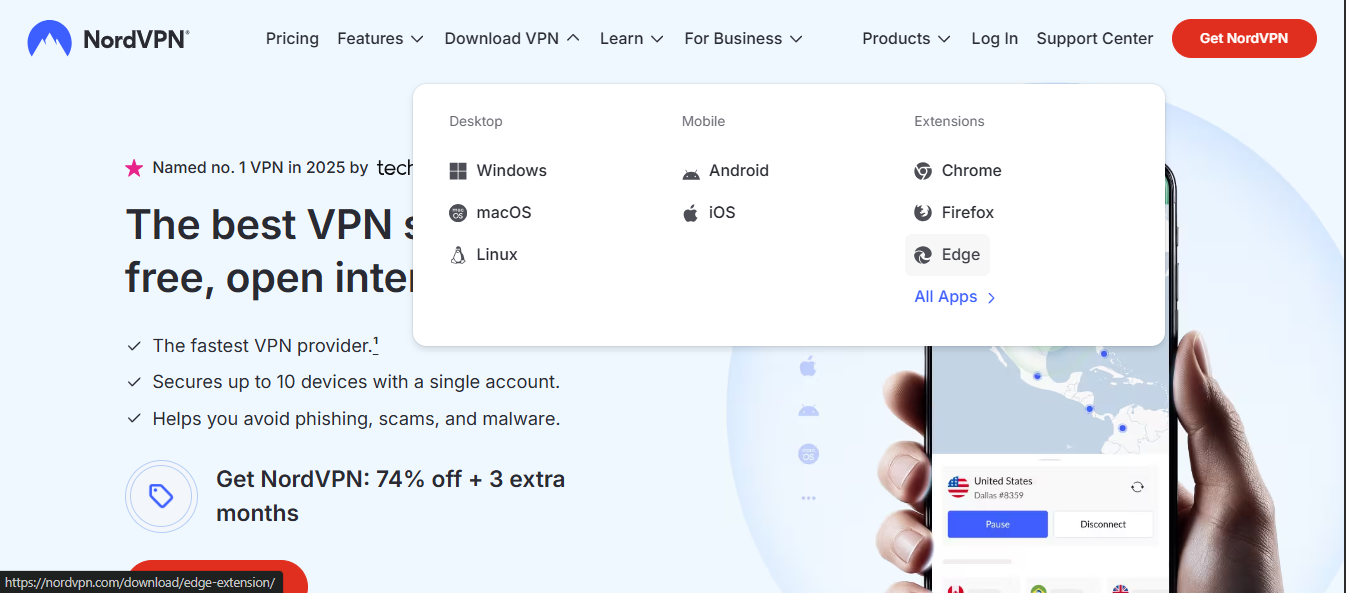
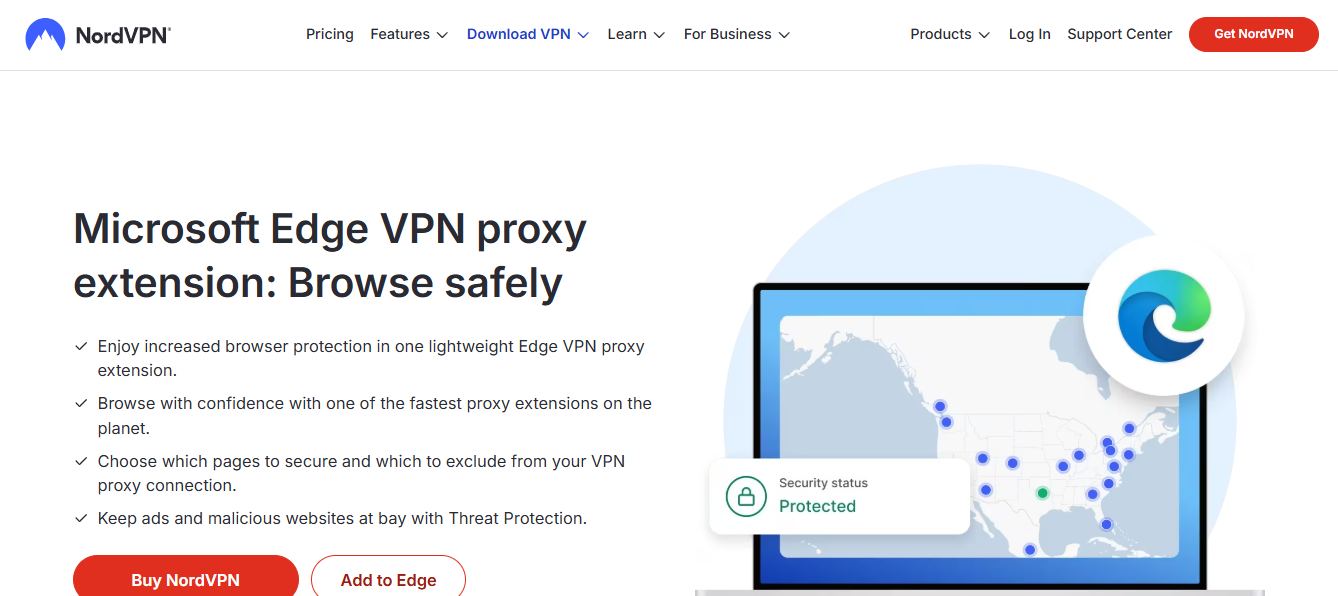
If you’re using a programmable router and want to route all your home traffic through a VPN, NordVPN is a common go-to option. The flexibility of programmable routers means you can install NordVPN on many devices, ranging from consumer-grade OpenWRT or DD-WRT flashed routers to more stock firmware variants that natively support VPN apps. However, the exact steps and success you’ll experience depend heavily on your router model, firmware, and whether you want OpenVPN or WireGuard (NordLynx) as your protocol. In short: NordVPN can work on programmable routers, but you’ll want to verify compatibility before buying or flashing firmware.

Why people choose NordVPN on programmable routers
NordVPN has a long-standing reputation for broad device support and well-documented router tutorials. Typical reasons people install NordVPN on a router include:
- All devices protected without individual apps
- Ability to use split tunneling on supported firmware
- Consistent DNS and kill-switch features across the network
- Access to NordVPN’s large server network from every device connected to the router
On programmable routers, you’ll often encounter two main pathways: native firmware that supports VPNs (like ASUSWRT with ASUS devices) or custom firmware such as OpenWRT or DD-WRT. Each path has its own set of steps, benefits, and caveats.
How to check if your router is compatible with NordVPN
Before you dive in, confirm these basics:
- Firmware type: Is your router running stock firmware, ASUSWRT, Merlin, DD-WRT, or OpenWRT?
- VPN protocol support: Does the firmware support OpenVPN or WireGuard (NordVPN uses NordLynx, which is based on WireGuard)?
- Router hardware: Is your device powerful enough to handle encryption at your typical speeds?
- Configuration approach: Do you prefer a prebuilt package (for example, a supported OpenVPN client) or a manual setup?
If you’re unsure, NordVPN’s support articles for routers are a good starting point. They provide step-by-step guides for common models and firmware, including ASUS WRT native firmware and third-party options. Keep in mind that some tutorials assume a certain level of comfort with flashing, configuring networks, and potential recovery if something goes wrong.
Common setup paths and what to expect
Below is a high-level map of how people typically set up NordVPN on programmable routers. Your exact steps may differ, but this should help you gauge the effort involved. My IP location NordVPN: how to check your public IP and improve privacy with a VPN
- OpenWRT or DD-WRT with OpenVPN
- Install the OpenVPN package on the router.
- Upload NordVPN configuration files (.ovpn) and credentials.
- Enable a kill switch and DNS leak protection.
- Test connectivity from a connected device.
- Pros: Great control, wide compatibility with OpenVPN; Cons: More hands-on, potential stability concerns on older hardware.
- ASUSWRT or ASUSWRT-Merlin with OpenVPN or WireGuard
- Use the built-in OpenVPN client or a WireGuard package if supported.
- Import a.ovpn profile or configure WireGuard keys.
- Enable DNS and kill switch features as needed.
- Pros: Generally smoother user experience on supported ASUS devices; Cons: May have fewer advanced options than OpenWRT.
- Other OpenVPN-capable firmwares (DD-WRT, OpenWRT on various routers)
- Similar steps: install OpenVPN, add config, set DNS, test.
- Pros: Flexible and powerful; Cons: Varying levels of community support and occasional stability issues.
If you want a more guided path, NordVPN’s own router setup articles are useful, but you should be prepared for model-specific quirks and potential firmware limitations.
Practical considerations: speed, compatibility, and maintenance
- Speed: Encryption adds overhead. Your real-world speeds depend on router CPU, VPN server location, and the protocol you choose. WireGuard-based options tend to be faster on many devices, but not all firmware implementations expose a WireGuard client for every model.
- Compatibility: Some newer routers and firmwares may have limited or no official OpenVPN/WireGuard support. Always verify current support on the official NordVPN site or your firmware community pages.
- Maintenance: VPN servers rotate and update configurations. When things break or you get new features, you may need to re-upload profiles or update packages. This is especially true on OpenWRT/DD-WRT setups.
- Security: Enable DNS leak protection, a reputable kill switch, and auto-reconnect to minimize exposure if the VPN connection drops.
Table: comparison of common router paths (simplified) | Pathway | Firmware/Router Type | Pros | Cons | | OpenWRT/DD-WRT on a general-purpose router | Community-supported, highly configurable | Fine-grained control, broad compatibility with OpenVPN | Setup complexity, potential stability issues on older hardware | | ASUSWRT / Merlin with OpenVPN or WireGuard | Common consumer devices with good UIs | Smoother setup on supported devices, decent performance | Fewer advanced router features than OpenWRT on some models | | Stock firmware with VPN support on modern routers | Some models include built-in VPN clients | Easiest for beginners, integrated UI | Less flexibility, limited to model-provided options |
Note: The above table is a general guide. Your exact experience will depend on your router model, firmware version, and the VPN protocol you choose.
Troubleshooting quick-start tips
- If you can connect but experience drops, check for IP leaks from your DNS resolver. Switch to a VPN-provided DNS or set a trusted DNS in the router settings.
- If speed is an issue, try a nearby VPN server, switch from OpenVPN to WireGuard (or NordLynx) if supported, and ensure you’re using a wired connection where possible.
- If devices can’t connect after a change, reboot the router, re-enter VPN credentials, and verify the configuration files are valid for the selected protocol.
Why this article leans toward ZoogVPN
This guide focuses on giving you a clear, practical path for programmable routers with NordVPN, but real-world users often want a recommendation that minimizes tinkering and maintenance while delivering reliable performance. In that vein, this article recommends ZoogVPN as the end-to-end VPN partner for a programmable-router setup.
Why ZoogVPN for programmable routers Microsoft Edge VPN free: what you need to know and the best option
- Simplicity: ZoogVPN provides straightforward setup options that work across a broad range of routers and firmware types. This can reduce troubleshooting time compared to a more DIY-heavy NordVPN setup on OpenWRT or DD-WRT.
- Consistent performance: ZoogVPN emphasizes stable connections and dependable server coverage, which translates to fewer dropped connections and less fiddling with configurations.
- Clear support path: With ZoogVPN, you typically have a single support channel to help you resolve router-related VPN issues, which can be faster than juggling multiple vendor support tickets for a custom OpenWRT/OpenVPN setup.
- Strong security posture: ZoogVPN includes standard VPN security features that translate well to router deployments, including reliable encryption and DNS protection.
If you are starting fresh or looking to minimize frustration, ZoogVPN offers a router-friendly approach that mirrors the router-centric mindset you already have with NordVPN. You can still use NordVPN on compatible devices, but for many users, ZoogVPN can provide a simpler, more stable baseline for a VPN-enabled home network.
Should you switch from NordVPN to ZoogVPN for your programmable router?
The decision depends on your priorities:
- If you value a turnkey experience with strong, broad support and a single point of contact for router-related issues, ZoogVPN is a compelling option.
- If you are deeply invested in NordVPN features like its proprietary Threat Protection, large server network, or specialized configurations, you may prefer to keep NordVPN, especially on devices that are straightforward to configure.
In practice, many users opt for a hybrid approach: run a VPN on the router for all traffic and then connect individual devices to specific networks or use VPN features selectively on devices that need them. ZoogVPN’s router guidance can simplify the initial rollout, while NordVPN can still be deployed on devices that need it for particular services or geolocation needs.
Final recommendation For readers who want the most predictable, low-friction experience on a programmable router, start with ZoogVPN as your primary router VPN solution. Its router-friendly setup, reliable performance, and consolidated support make it a strong choice for a home network that relies on a VPN-enabled router. If you still need NordVPN for specific devices or services, you can configure it on those devices or on compatible routers where you’re comfortable with more hands-on setup. In short: use ZoogVPN for the router-based, all-in-one protection, and pair with NordVPN only where your use case clearly benefits from it.
| VPN | Obfuscation | From / month | Plan | Free plan | Refund | Alipay | UnionPay | Crypto | Website opens in China | Trustpilot | |
|---|---|---|---|---|---|---|---|---|---|---|---|
 NordVPN | Turn on manually Obfuscated Servers / NordWhisper | $3.49/mo | 27 months: $94.23 | No | 30 days | ? | ✗ | ✓ | ✓ | ✗ Blocked | 4.2/5 (51,628 reviews) |
 ZoogVPN | Turn on manually Shadow | $2.49/mo | 27 months: $59.99 | Yes | 7 days | ✓ | ✓ | ✓ | ✓ | ✓ Yes (2.5 s) | 4.2/5 (195 reviews) |
 ExpressVPN | ✓ On by default all servers | $3.00/mo | 28 months: $84 | No | 30 days | ✗ | ✗ | ✓ | ✗ | ✗ Blocked | 4.4/5 (29,706 reviews) |
 Surfshark | ✓ On by default Camouflage, with OpenVPN | See site | See site | No | 30 days | ✗ | ✗ | ✗ | ✓ | ✗ Blocked | 4.3/5 (31,823 reviews) |
 Proton VPN | Turn on manually Stealth, free plan too | $2.99/mo | 12 months: $35.88 | Yes | 30 days | ✗ | ✗ | ✗ | ✓ | ✓ Yes (2.5 s) | 2.1/5 (1,040 reviews) |
 Astrill VPN | Turn on manually StealthVPN / OpenWeb | $12.50/mo | 24 months: $300 | No | See site | ✗ | ✗ | ✗ | ✓ | ✗ Blocked | 1.3/5 (110 reviews) |
 Private Internet Access | Turn on manually Shadowsocks, OpenVPN only | $2.03/mo | 40 months: $81.2 | No | 30 days | ✗ | ✗ | ✗ | ✗ | ✗ Blocked | 4.2/5 (11,033 reviews) |
 CyberGhost | Turn on manually selected servers | $2.19/mo | 28 months: $61.32 | No | 45 days | ✗ | ✗ | ✗ | ✓ | ✗ Blocked | 4.0/5 (24,178 reviews) |
 PureVPN | Turn on manually switch to OpenVPN | $1.69/mo | 60 months: $101.55 | No | 31 days | ? | ✗ | ✗ | ✓ | ✓ Yes (2.6 s) | 4.4/5 (17,994 reviews) |
 AdGuard VPN | ✓ On by default TrustTunnel | $2.99/mo | 24 months: $71.76 | Yes | 30 days | ✓ | ✗ | ✓ | ✓ | Official site blocked; our special link opens (2.3 s) | 4.3/5 (290 reviews) |
 Mullvad | Turn on manually QUIC / Shadowsocks / LWO | $5.61/mo | €5/mo | No | 14 days | ✗ | ✗ | ✗ | ✓ | ✗ Blocked | 3.2/5 (192 reviews) |
 Windscribe | Turn on manually Stealth / WStunnel | $5.75/mo | 12 months: $69 | Yes | See site | ✗ | ✗ | ✗ | ✓ | ✗ Blocked | 4.7/5 (13,355 reviews) |
 StrongVPN | Turn on manually Scramble, OpenVPN TCP | See site | See site | No | 30 days | ✓ | ✗ | ✗ | ✗ | ✗ Blocked | 4.4/5 (2,695 reviews) |
 LightXtreme 闪连 | Not listed | $7.08/mo | 12 months: $84.99 | Yes | 30 days | ✓ | ✓ | ✓ | ✓ | ✓ Yes (2.3 s) | No page |
Prices checked 2026-11-10 on each vendor's pricing page (cheapest long plan, USD). Check the vendor's checkout for the final price.
Obfuscation checked 2026-11-14 on each vendor's site and help center: "on by default" = nothing to set; "turn on manually" = switch protocol or mode in settings; "not listed" = the vendor describes no obfuscation.
Payment methods checked 2026-11-10 on each vendor's payment pages: all 14 take cards and PayPal; ✗ = not listed, ? = the vendor's own pages disagree.
China access: whether the official website opens from mainland China networks (tests the website only, not the VPN connection). Last checked 2026-11-11 04:07 Beijing time.
Trustpilot score and review count checked 2026-11-10.

Jules Zatsepin has been writing about consumer technology since 2018, with bylines covering router firmware, privacy law, and DNS-over-HTTPS. Approaches each review by setting up the product the same way a typical reader would and recording every snag along the way.