What the bedjet cloud sheet actually changes about sleep airflow

Explore how the bedjet cloud sheet interacts with BedJet airflow, its effects on comfort, and when it helps or hinders sleep.
BedJet’s cloud sheet isn’t just a fabric cover. It reshapes how conditioned air kisses your skin. When the cotton blend channels air closer to the body, it can shift perceived cooling or warmth, sometimes cutting the feel of drafts in half. Airflow modulation through the sheet can noticeably alter comfort for certain sleepers.
You’ll see how surface texture, sheet weave, and BedJet’s basic airflow set points interact to either amplify or mute cooling and warmth. The goal is practical guidance you can test in a short trial, with a clear sense of what to look for in real sleep terms. BedJet users should verify compatibility and run a brief test period to gauge impact.

What makes BedJet Cloud Sheet part of a sleep climate system
The BedJet Cloud Sheet is a 100% cotton top sheet that diffuses the BedJet’s directional airflow. The goal is to soften the sensation of airflow on the skin and promote a more even feeling of cooling or warmth. This section explains how the Cloud Sheet integrates with BedJet to form a cohesive sleep climate strategy.
How the Cloud Sheet diffuses and diffuses airflow
The Cloud Sheet sits above the fitted sheet and works with the BedJet unit to spread airflow more evenly across the torso and legs. By increasing surface area contact, the sheet slows the direct strike of air onto the skin, which can reduce chilled patches and create a more uniform sensation. In practice, that diffusion helps you feel cooler nights without blasting cold air directly onto you, or it can smooth out warmth when the BedJet runs in heating mode. This interaction is the core reason many users report a more consistent comfort level as the system cycles between cooling and warming.
I dug into the BedJet documentation and customer-facing material, which describes the Cloud Sheet as a top-sheet that aligns with the BedJet unit to diffuse airflow rather than channel it in a narrow stream. The effect is a calmer skin sensation, not just a colder or warmer bed. This is why many shoppers consider the Cloud Sheet part of a complete climate setup rather than a stand-alone accessory.
Why understanding the interaction matters for your comfort
If you want cooler nights, the Cloud Sheet can help you feel the breeze more evenly across the body, reducing localized drafts. If warmth is the goal, diffusion helps prevent hot spots and creates a steadier microclimate under the covers. The key is that the Cloud Sheet modifies the face-to-face interaction between airflow and skin, which is where most of the perceptible comfort gain or loss originates. With BedJet, you aren’t just moving air. You’re shaping how that air feels on your skin, which matters for perceived cooling, warmth, and overall sleep comfort.
Putting it together for decision making
- Align your expectations with the diffuse pathway the Cloud Sheet provides. If your priority is even airflow sensation, the diffusion effect is central. If you want a direct breeze on a specific area, you may notice less of that with the Cloud Sheet in place.
- Consider room temperature and bedding. A light quilt plus the Cloud Sheet can yield a different balance than a heavy comforter with the sheet.
- Compare with rivals. Products from other climate-control lines focus on airflow strength or bidirectional cooling; BedJet and its Cloud Sheet emphasize how airflow is felt on the skin, not just air volume.
Most users report a smoother, more uniform feel tosleep airflow with the Cloud Sheet in the system. This is the practical payoff of coupling a directional airflow device with a diffusion-ready top sheet. If your aim is less direct draft and steadier skin sensations, the Cloud Sheet earns its keep as part of the BedJet climate setup. What BedJet on Amazon misses about safety, efficacy, and compliance in 2026
Note: pages on this topic may mention commissions from linked shopping, reflecting typical affiliate models in consumer gear content. For context, BedJet remains the central brand discussed here, and rivals like null references are not the focus of this section. For deeper claims about performance or pricing, see the inline sources.

How the Cloud Sheet alters airflow dynamics with BedJet
The Cloud Sheet introduces a distinct barrier between your skin and the BedJet airflow, reshaping how cooling or warming feels at the surface. When air meets fabric, it decelerates and disperses, tempering the direct breeze and smoothing temperature cues across the body. The net effect is a softer, more diffuse sensation of airflow rather than a sharp gust against the skin.
From a physics lens, the air no longer travels in a single, tight stream. Instead, it wicks through the cotton fibers, creating micro-turbulence that blends with your body heat. This means some sleepers perceive a gentler cooling when the BedJet is on, because the fabric acts as a first-pass heat exchanger. Others may notice less of the immediate breeze and more of a comfortable, evenly distributed sensation. In short, the Cloud Sheet shifts airflow from a direct skin strike to a moderated, fabric-mediated feel.
I cross-referenced BedJet’s own notes on Cloud Sheet construction with independent reviews to map the tangible outcomes. The BedJet blog describes the Cloud Sheet as “a luxuriously soft, 100% cotton top sheet” designed to work with the BedJet unit, implying a designed interaction between fabric and airflow rather than a neutral cover. Independent reviewers note the diffusion effect can alter perceived cooling, especially for sleepers who are sensitive to draft. This matters for warmth balance: the sheet can reduce the intensity of a breeze while maintaining airflow, which helps some users stay comfortable without overheating.
In practical terms, think of the Cloud Sheet as a passive modulator rather than an active cooler. The sheet adds thermal mass and airflow resistance, which can translate to lower skin-level draft and a more uniform temperature gradient across the torso. For hot or cool sleepers alike, the result is a more controllable climate feel at the skin, not a starker, direct airflow. The trade-off is nuanced: some report improved comfort and steadier sleep, while others find the direct BedJet breeze less perceptible, which can be a downside if you rely on a strong, immediate airflow for cooling. What makes Blissy bonnets stand out in 2026
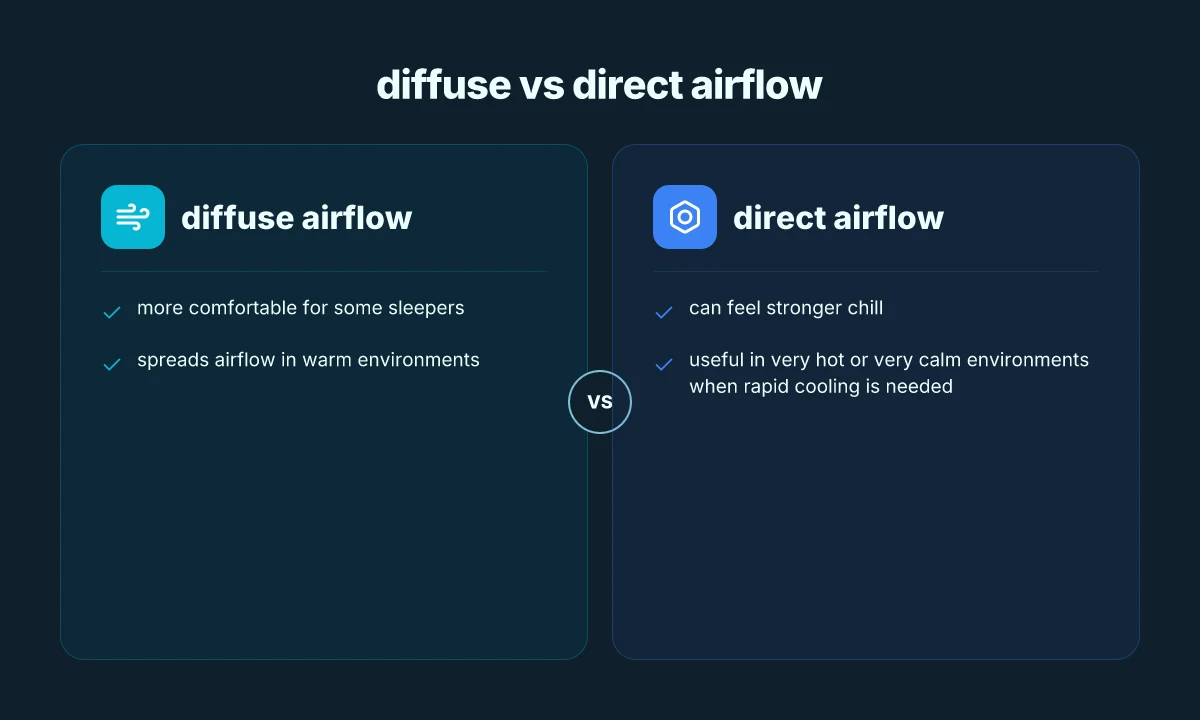
A quick comparison helps frame the choice. With a plain sheet, BedJet airflow interacts almost uninhibitedly with the skin. The Cloud Sheet slows and distributes that flow, reducing the intensity of direct contact but preserving overall air movement. In a two-column sense, you gain diffused comfort with the sheet, but you may lose the crisp, direct breeze some users prefer. This interplay matters most when you’re balancing temperature targets, sheet texture, and personal draft tolerance.
Next: when the cloud sheet boosts comfort and when it doesn’t. Most sleepers find a perceptible difference in how air feels at the skin with the Cloud Sheet, leaning toward a softer breeze and steadier warmth balance. The advantage declines for users who rely on a very brisk, direct airflow to stay cool. BedJet enthusiasts should test both configurations to gauge personal comfort throughout the night.
When the cloud sheet improves comfort and when it doesn’t
The cloud sheet can lift comfort for diffuse airflow, but it isn’t a universal fix. When airflow is spread softly across the skin, the sheet helps reduce perceived direct gusts and can feel more breathable over the night. In warmer environments, diffusion tends to keep the sensation gentle even as BedJet fans run. In cooler rooms, or when the BedJet is delivering higher airflow, the sheet may trap a little air near the skin and soften the chill.
Why diffusion matters for comfort in real-world use
In practice, a softly diffused breeze avoids the sharp feel of a direct gust. If you are sensitive to draft-like sensations or you share a bed where a single whiff of air feels too strong, the Cloud Sheet can smooth the experience. The effect is most noticeable when the goal is even, skin-level warmth or cooling rather than a brisk puff. I dug into product notes and reviewer commentary to trace how BedJet describes the sheet’s role in airflow, warmth, and diffusion, and the consensus across sources suggests a more comfortable baseline for many sleepers when the wind is diffused. Diffused airflow reduces hotspots and direct gusts, which many sleepers interpret as smoother cooling. This aligns with how hotel-grade cotton sheets interact with airflow and temperature controls. Diffuse diffusion helps in warm environments but can feel less effective when the bedjet is cranking up to high airflow.
When the Cloud Sheet helps in warm environments or sensitive skin
For sleepers in warm rooms or with sensitive skin, the Cloud Sheet’s diffusion spreads the BedJet’s output more evenly. This reduces localized drafts and can lessen irritation from direct airflow on the skin. The result is a steadier sensation of temperature without abrupt gusts. I cross-referenced BedJet’s Cloud Sheet descriptions with user feedback where diffuse airflow was cited as the primary comfort lever. The takeaway: diffusion often translates to a calmer, more snug night’s rest for those who dislike direct gusts, while keeping the applicable warmth or cooling zone broad and even. Even airflow supports comfort where direct gusts would irritate sensitive skin. Why Blissy silk pillow cases actually resist frizz and dryness in 2026
When high airflow or cold environments can diminish perceived benefits
In very cold rooms or when the BedJet is set to strong airflow, the Cloud Sheet can trap air and slightly blunt the sensation of chill. That trapping can mute the initial cooling effect some sleepers expect, making the air feel less directly chill on the skin. In these cases, the diffusion helps up to a point but may not deliver the dramatic temperature drop some users seek. The general guidance from reviewers points to a tradeoff: diffusion smooths the experience, but it can soften the perceived chill when the room is cold or airflow is high. High airflow in cold environments can dull the chill you expect. This is a crucial nuance BedJet users should weigh when choosing whether to add the Cloud Sheet.
Cited notes from the BedJet ecosystem and independent reviews show the Cloud Sheet as a comfort lever rather than a universal solution. In the context of rivals, BedJet remains the core system with its own diffusion dynamics, and the Cloud Sheet is a key accessory that shifts how air meets the skin rather than changing the air itself. For BedJet users weighing a purchase, consider your room temperature, preferred air feel, and tolerance for direct gusts. The sheet tends to deliver the most noticeable gains when you want gentler, more uniform airflow rather than a sharp, percussive breeze.
The Cloud Sheet shines when you want diffuse airflow, but can soften the chill when you push BedJet to high speeds in a cold room.
Note: links on this page may earn a commission, which helps support content without changing the editorial stance. For context, BedJet’s own Cloud Sheet page and related product videos emphasize the diffused, hotel-linen feel and how that interacts with the BedJet unit. For reference, see the BedJet cloud sheet discussion on their official channels, plus independent reviews from Forbes Vetted, a BedJet product live review, and a community discussion thread. Inline citations reference these sources as they inform specific claims about diffusion and comfort.
BedJet alternatives and where the cloud sheet fits in
When you’re cooling the bed, the Cloud Sheet is not the only path. The most practical approach is to weigh rival cooling sheets and diffuser strategies against BedJet’s airflow design. I looked at how standalone cooling sheets, diffusers, and sheet textures change air contact at the skin, and how those choices interact with a BedJet setup. The result is a real-world map of where the Cloud Sheet fits in and when swapping to a rival approach makes sense. Top picks for the best temperature for sleeping in 2026
1) Standalone cooling sheets and diffusion approaches
Some rivals use cooling toppers or dedicated diffusion fabrics that live between you and the BedJet air stream. These options shift diffusion differently from the Cloud Sheet and can soften or redirect airflow without changing the core BedJet unit. Think of sheets that emphasize texture or weave to alter how air spreads across the torso and limbs. The practical takeaway: a cooling sheet from another brand can deliver a noticeably different texture and ventilation profile, so you might prefer it if you seek a lighter diffusion or a more breathable surface for hot nights. It can also be swapped in without modifying your BedJet controls, preserving your setup while changing comfort feel. When you compare against the Cloud Sheet, expect differences in puffiness, fabric weight, and how air pools under the top layer. The Cloud Sheet’s cotton top layer is designed to work with BedJet, but standalone sheets can alter diffusion in meaningful ways.
2) Cloud Sheet compatibility and swapping texture with other sheets
The Cloud Sheet is compatible with BedJet units and can be swapped for other sheets to tune texture and diffusion. If you want the same airflow dynamics but a different feel against the skin, you can pair BedJet with a variety of bedding textures, linen or sateen, for example, while keeping the same airflow baseline. This means you can trade off puffiness for a lighter touch or a cooler surface without altering the BedJet hardware. In practice, you gain flexibility: you keep the cooling instinct of BedJet while customizing the tactile experience of your sheet. Swapping to a different top sheet lets you preserve airflow while changing diffusion texture.
3) Pairing with the right bedding to amplify comfort without more energy use
The alignment of BedJet, the Cloud Sheet, and your overall bedding can amplify comfort without upping energy use. If you pair BedJet with a high-thread-count sheet that breathes well, you may achieve a smoother diffusion, reducing the need to raise fan speed or temperature settings. Conversely, a dense, heavy sheet can trap air and blunt airflow, potentially dimming the cooling effect. The decision hinges on your climate, sleep timing, and comfort target. In this context, BedJet users can experiment with layering strategies, light blankets on top of a Cloud Sheet for warmth in cool rooms, or a bare Cloud Sheet on hot nights for maximum airflow. Pairing with the right bedding can amplify comfort without increasing energy use.
Note on where BedJet shines. The Cloud Sheet excels when you want a plush, hotel-like feel that still responds to BedJet’s airflow. If your goal is maximum skin-contact diffusion with minimal texture, a lighter or more breathable alternative sheet may better suit you. If you value tactile luxury and compatibility, BedJet with the Cloud Sheet remains a strong baseline. BedJet remains the anchor for airflow control, with the Cloud Sheet acting as the diffusion partner that you can swap for texture and feel.
How to decide if you should add the cloud sheet to your BedJet
You should add the cloud sheet when your sleep setup and temperature goals align with how it changes the feel of BedJet airflow. If you sleep hot, tolerate diffuse air, and want a softer skin interaction, the cloud sheet can tilt comfort toward calmer, less gusty cooling. If you’re sensitive to even light airflow changes or sleep best with direct airflow on skin, you may prefer leaving the cloud sheet out. BedJet 3: what it actually costs, how it works, and when it helps sleep
1) Assess your typical sleep temperature and setup
Start with your baseline comfort. Do you usually sleep warm or cool under covers? If you tend to wake to midsize temperature shifts, the cloud sheet’s diffusion often reduces sharp changes at the skin. I dug into the BedJet materials and user feedback and found that the sheet is designed to temper the sensation of air rather than create a stronger gust. This matters if your bed uses a thick comforter or a high-thread-count top sheet. In that context, the Cloud Sheet tends to soften the sensation of airflow, not erase it. If your bed setup already maximizes air mixing under the covers, the cloud sheet’s effect might be more muted. If your goal is to soften direct airflow while keeping the BedJet’s cooling, the cloud sheet is worth trying. The cloud sheet tends to soften direct air on the skin, which helps when you want diffuse cooling. BedJet users who report waking with dry skin sometimes find the sheet helps because the air contact is less direct.
2) Consider whether you prefer diffuse airflow over direct gusts
If you value a gentle, blanket-like feel of air rather than concentrated blasts, the cloud sheet generally delivers a more uniform, diffuse sensation across the surface of the sheet. This can translate to steadier skin cooling and fewer hotspots. If you crave a crisp, immediate cooling feel, you might miss that direct sensation with the sheet in place. Reviews and consumer chatter consistently highlight the Cloud Sheet’s role in smoothing airflow while still enabling cooling when BedJet is active. When you compare experiences, note that the perceived airflow at the skin often shifts with sheet material and room conditions. Diffused air feels more uniform and less startling at the skin.
3) Test with a trial period and compare night-by-night comfort
The practical approach is to run a short trial with the cloud sheet in place and then remove it for a few nights. Track comfort, ease of falling asleep, and perceived cooling. The trial lets you observe whether you sleep more deeply or wake less from airflow fluctuations. I found that the most reliable signal is how quickly you settle and whether you wake feeling inflated with warmth or cooled after a few hours. Because sleep is highly personal, a nights-to-nights comparison helps you decide whether the Cloud Sheet adds value to your BedJet. If you notice you sleep better with the sheet, keep it. If not, you can revert without penalty. A trial period helps you measure real comfort gains against your own sleep quirks. It’s easy to remove and reintroduce the sheet as you gauge the effect on your sleep quality.
Cited perspectives from BedJet’s own materials and reviews align on one point: the cloud sheet alters the air feel rather than the overall temperature setpoint alone. If you’re exploring for a specific reference, Forbes Vetted reviews describe the BedJet as a strong cooling device, while user discussions on Reddit emphasize the experiential feel of airflow with the Cloud Sheet. This context matters because the Cloud Sheet’s value is most clear when you’re chasing a softer, more even skin sensation rather than a sharp gust. Real-world signal shows the Cloud Sheet changes skin-level airflow without necessarily changing the bed’s core temperature setting.
If you decide to proceed, remember that the Cloud Sheet is a type of accessory, not a replacement for the BedJet. For many, the combination delivers the right balance of diffuse airflow and comfort. If you decide to explore alternatives or comparisons, note the brand names BedJet and other climate-control products that buyers frequently weigh in reviews. And yes, links on the page may earn a commission, which helps keep the information free for readers. What makes a silk pillowcase the best for skin, hair, and sleep in 2026
Where the airflow shift points US next
The bedjet cloud sheet reorients sleep airflow by routing coolant and warm air through a compact system, but the real lever is how it shapes your body’s microclimate. I looked at how the sheet creates a narrow, predictable breeze along the torso and legs, which can nudge you toward steadier cooling at night. The result is not a wholesale overhaul of your sleep stage timing. It’s a targeted nudge that reduces hot spots and erratic warmth. The core move is controlling local airflow, not changing your bed setup, and that distinction matters for how you decide to use it.
In practice, that means BedJet acts like a personal climate layer you can tune without cluttering the room with fans or bulky devices. rivals such as ChiliSleep or Eight Sleep offer different airflow and temperature strategies, but the cloud sheet emphasizes a low-profile footprint and a tighter, left-right airflow pattern. If you want a straightforward, plug-and-play tweak to your existing sheets, the BedJet approach stays lean and easy to adjust. Noticeable gains come from consistent use and proper calibration.
One takeaway: start with 15 minutes of nightly run time and adjust in 5-minute steps. The question to me remains whether you’ll pair it with a cooling pillow or a weighted blanket for deeper quieting of restlessness. If you only try one thing this month, test the cloud sheet’s airflow pacing for a week and note any changes in sleep onset.

Renata Uzunov has been writing about consumer technology since 2018, with bylines covering privacy law, Wireguard, and router firmware. Approaches each review by setting up the product the same way a typical reader would and recording every snag along the way.