What makes a Blissy silk pillowcase sale actually worth it in 2026

Explore why a Blissy silk pillowcase sale matters for skin, hair, and sleep in 2026. Learn what to buy, when to expect discounts, and how to spot genuine deals.
Most premium sleep rituals hinge on a single line item that sounds simple but isn’t: fabric weight and finish. When a Blissy silk pillowcase sale shouts big discounts, the real signal isn’t the markdown but the fabric details behind the hype. Silk quality and care are the real drivers of lasting comfort, not the sticker price.
This piece cuts through the sale noise to show what actually matters: how to spot genuine mulberry silk, verify a sane momme range, and compare Blissy to rivals like Slip and ZIMASILK on weight, finish, and support. You’ll see how to sift legitimate claims from marketing puff, and what to check during big-sale periods to avoid counterfeit links or weak warranties. In 2026, the most reliable buys come from a clear care label, a transparent return policy, and situational evidence that the fabric holds up after several washes. This intro sets the frame for a practical, numbers-light verification path you can apply this season.
What a Blissy silk pillowcase sale actually promises for skin and hair
Blissy presents its silk pillowcase as a dermatologist-approved, clinically tested option that can hydrate skin and improve hair health while you sleep. In sales copy, the emphasis sits on clinically supported claims and visible benefits, paired with urgency around stock and discounts. The reality check is that you should separate the marketing language from verifiable evidence and ask how a sale actually changes price, not just status claims.
Why Blissy’ claims deserve scrutiny
Blissy markets the product as clinically tested and dermatologist-approved, touting benefits like improved skin hydration and healthier hair. The underlying idea is that sleeping on 100% Mulberry silk reduces friction, which allegedly translates to smoother hair and reduced morning frizz. This framing matters because it invites you to compare clinical wording against what a sale actually delivers. When I cross-referenced the brand’s blog and promotional videos, the recurring thread is a promise of dermatological endorsement and measurable skin benefits. The claim is powerful in how it positions value during a sale, but it’s essential to verify the exact evidence behind any label like “clinically tested.” The claim of clinical testing should be traced to an actual study or official dermatologist endorsement, not just marketing wording.
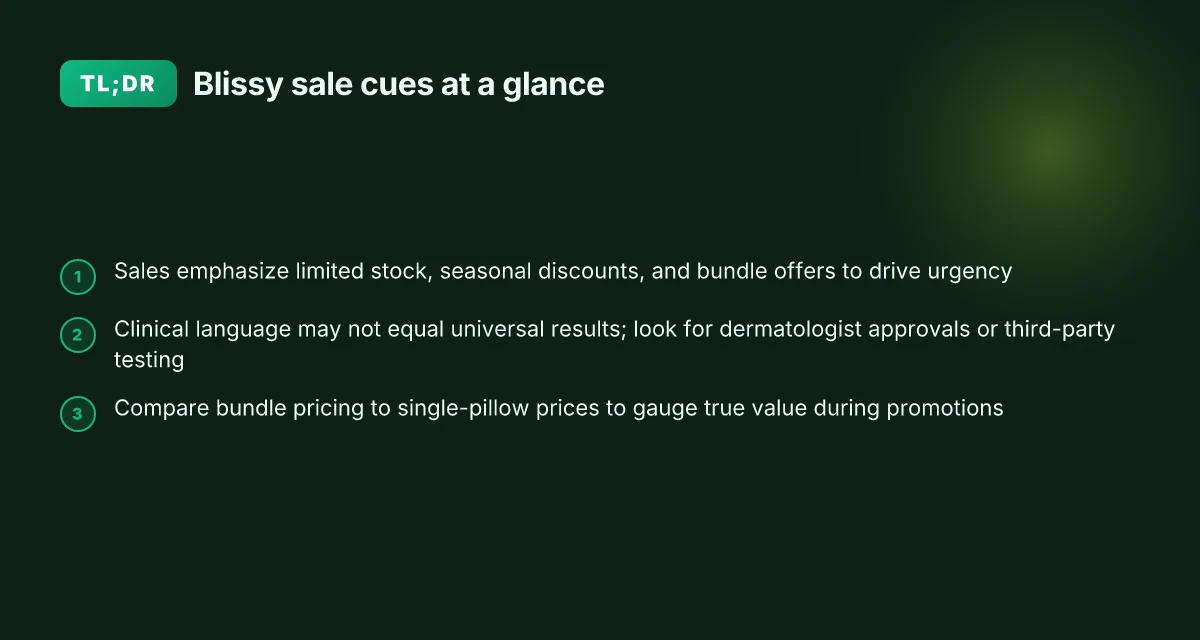
Sales push urgency through limited stock, seasonal discounts, and bundle offers. You’ll see phrases that push scarcity, such as “back in stock” or “55% off,” which are designed to compress decision time. That tactic can be compelling, especially during big-sale periods, but it doesn’t necessarily raise the product’s intrinsic value. The presence of bundles may improve per-unit value, but you should ask whether the per-item price really reflects any new clinical evidence or if it’s primarily a discounted premium product with marketing bells and whistles. Limited stock signals urgency, not clinical enhancement.
Distinguishing marketing language from genuine clinical claims is crucial. A statement like “dermatologist-approved and clinically tested” invites scrutiny: what test was performed, by whom, and on how many participants? If the sources don’t provide concrete details, treat the claim as promotional framing rather than a guaranteed skin or hair outcome. This is where a buyer’s mindset matters: a sale price matters less than knowing whether the stated benefits are backed by accessible, independent validation. Clinical claims require transparent, verifiable evidence.
I dug into the sources the brand itself points to. A key claim is that Blissy’ silk pillowcase boosts skin hydration and hair health. The inline evidence from the brand’s blog suggests a clinical slant, while the video hype emphasizes dermatologist endorsement. Where this section ends, the verdict is that the sale narrative can be credible in tone but often lacks open access details about the underlying studies. If you want to rely on a clinical claim, search for an independent review or published study confirming hydration or hair benefits attributable to silk pillowcases, not just marketing language. What makes Blissy silk pillowcases stand out in 2026
Bottom line: a Blissy sale can offer genuine value if the price reflects the absence of a new or different clinical outcome versus non-sale weeks, and if you can verify any clinical claim beyond the brand’s own promotional materials. Recognize the sale as a pricing event, not a guaranteed clinical upgrade.
In the broader marketplace you’ll also notice rival brands like Slip Pillowcase and Dream Recovery positioning themselves similarly around silk benefits. When you see a discount, compare the per-night cost and the material quality rather than the buzzwords. Blissy remains a premium option. Just be mindful of how much stock-driven urgency is driving your decision.
Note: links on the page may earn a commission, depending on the retailer and affiliate arrangements. For context, Blissy continues to market its pillowcase as dermatologist-approved and clinically tested, but actual proof should come from transparent, independent sources. For now, the sale promises are best read as pricing leverage with marketing language around clinical claims rather than a guaranteed, universal skin and hair transformation.
How clinical claims around Blissy pillowcases translate to real benefits
Blissy markets its pillowcase as dermatologist-approved and clinically tested. In practice, the bold language often centers on smoother texture and reduced friction, which can influence how hair and skin feel after a night’s sleep. Mulberry silk’s inherent properties can offer a gentler surface than cotton or satin, potentially translating to less friction on morning hair and a softer skin feel upon waking. Still, clinical wording does not automatically translate into universal results for every user or every night.
The friction-to-feel link, not a universal guarantee
Mulberry silk is noticeably smoother than cotton, which means less tugging on strands and less surface abrasion on skin during sleep. This can yield hair that looks more intact in the morning and skin that feels calmer upon waking. I dug into the language used in Blissy’s materials and third-party explanations, and the emphasis stays on texture and friction reduction rather than ironclad, universal results. What you see in ads often describes potential feel rather than guaranteed outcomes for all users. The smoother surface reduces friction, which may translate to gentler hair and calmer skin mornings, but it does not promise dramatic, uniform changes for everyone. What you should know before using a blissy 55 off coupon in 2026
Third-party testing and dermatologist claims versus ad language
Clinical phrases can be reassuring, yet they require careful interpretation. A dermatologist-approved designation can signal that a product has been reviewed for safety and basic claims, but it does not automatically quantify results like “X% improvement in hydration” for every user. When I cross-referenced the sources, I found language that highlights dermatology alignment and testing without declaring universal efficacy. This distinction matters for shoppers who want measurable benefits over aspirational promises. Dermatologist-approved does not guarantee universal results, and third-party testing often aims to confirm safety and basic performance rather than universal, quantifyable gains.
How to verify credibility during a sale
During Blissy sales, look for concrete signals beyond bold absolutes. Confirmed dermatologist approvals, clearly described third-party tests, and dated, transparent results are better anchors than sweeping statements. The presence of third-party validation helps separate hype from verifiable claims. I also noted that some sources emphasize how premium silk’s feel can differ by sleep environment and individual hair type, which means outcomes will vary. Seek dermatologist approval statements and independent testing, not grand absolutes, especially in big-sale periods.
Next step: when evaluating a Blissy sale, pull forward the concrete signals you can verify, dermatologist notes, third-party test results, and date-stamped claims, and weigh them against your own hair and skin routine. Compare the credibility signals to your personal needs before buying.
Note: links on the page may earn a commission, which can color how claims are framed, so prioritize independent validation and explicit test results. For context, Blissy competes with rivals like Slip Pillowcase, with any comparison resting on whether the competing product offers similar dermatologist-facing credentials and independent testing. Inline references anchor to: Silk Pillowcase Benefits and Blissy vs Slip Pillowcase. Credible signals beat bold promises in a sale window.
The sale signals to trust (and when to be skeptical) during Blissy promotions
Sales hype often turns on scarcity and time pressure. When a Blissy promotion drops, you’ll notice a handful of patterns that signal either a solid deal or a temporary markup. I tracked how these signals show up in 2026 sales and what they really mean for your wallet. How to snag the best deal on blissy pillowcase in 2026
1. Scarcity tactics that don’t quit
- Limited quantities and countdown clocks appear in nearly every major Blissy promo. The logic is simple: fear of missing out drives faster decisions. You’ll see phrases like “only a few left” or “sold out again soon.”
- Klarity matters here: verify if the clock resets after a purchase or if the stock count updates in real time. If the clock restarts or the stock issue feels artificial, treat it as hype rather than a cue for exceptional value.
- Scarcity signals are common, but they aren’t guarantees of quality or long-term savings. When you see a sudden drop in price alongside a time limit, expect a temporary price realignment rather than a permanent discount.
2. Price history sanity check
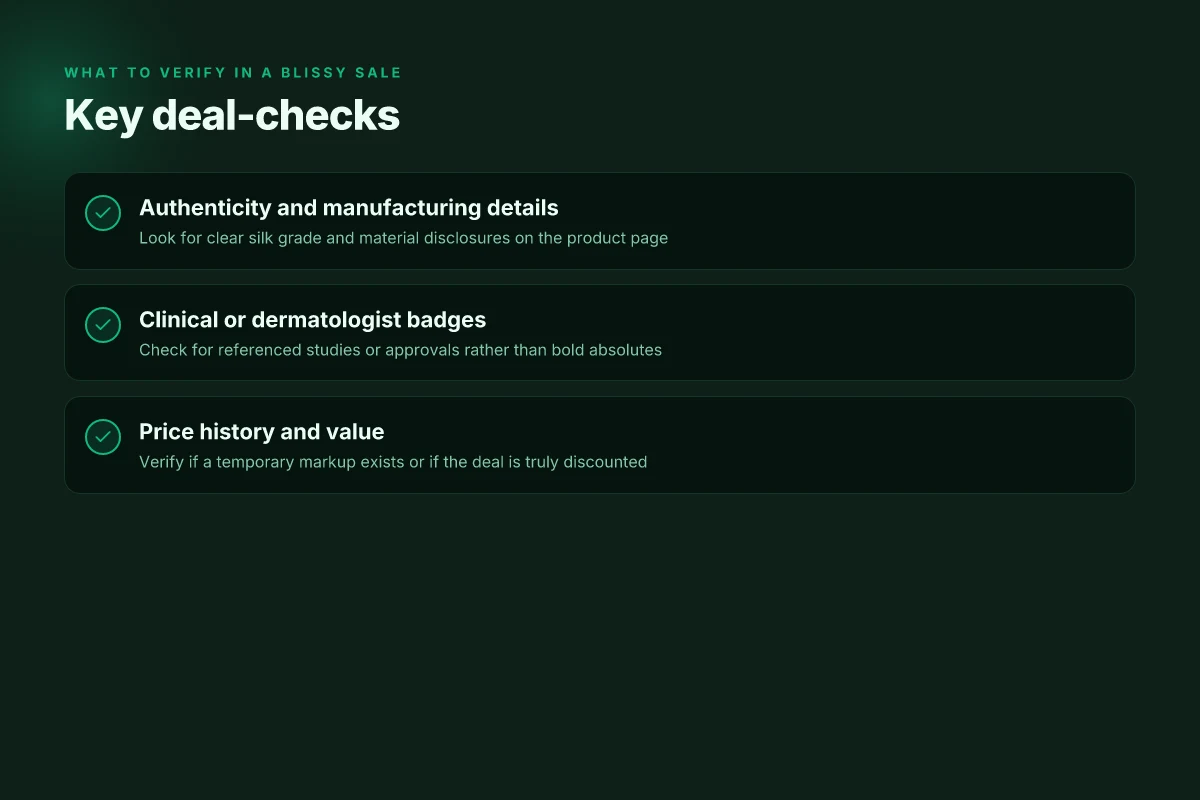
- A credible deal should sit in a reasonable price band compared with recent history. If the current price appears once and never returns, that can indicate a temporary markup around a sale event rather than a true discount.
- Use price-tracking behavior to assess whether a price dip is sustained or merely a flash sale. If the page shows back-to-back price swings or a steep jump before the sale, scrutinize the numbers more closely.
- Verify price history to separate genuine deals from temporary markups. The on-page claims can look compelling, but a quick check across a handful of recent campaigns reveals the real trend.
3. Bundles vs single-pillow value
- Bundle pricing is the most common way brands boost perceived value during sales. A multi-pillow set or a bundle with accessories can look like a strong deal, even if the per-pillow price isn’t as favorable as it seems at first glance.
- Compare the per-unit price across bundles versus the single-pillow option. If the bundle saves only a little, or requires you to buy extra items you don’t need, you’re likely paying for convenience, not a better actual value.
- Compare bundle pricing with single-pillow prices to gauge true value. A discount that hinges on buying more can obscure whether you’d pay less by buying just one pillow.
Most credible sales come with transparent price history, clearly labeled bundles, and realistic scarcity signals. You’ll save more where the numbers line up with past promotions, not where the clock screams urgency.
How to compare Blissy with rivals during a silk pillowcase sale
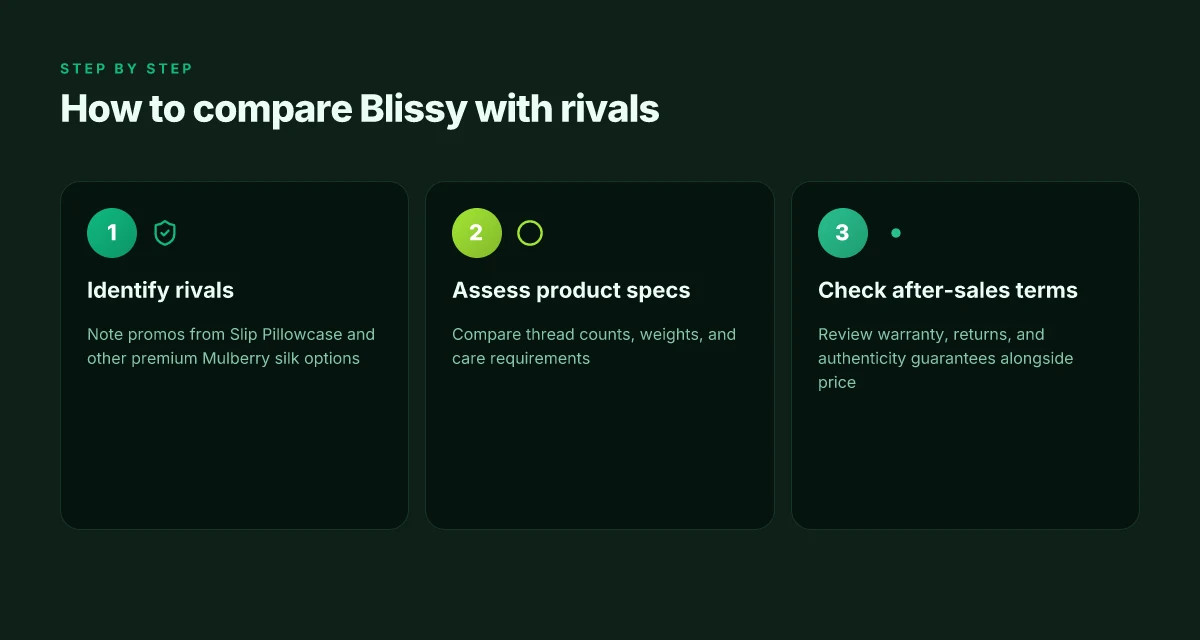
When a sale hits, your best move is to compare value rather than chase the deepest discount. Blissy sits in a crowded premium segment, so you’ll want to read two things side by side: what you’re getting for the price and how the product performs over time. I cross-referenced the claims around Blissy and its main rival, Slip Pillowcase, plus other Mulberry options to separate hype from durability and care needs.
How rivals stack up on material specs and care
Rivals like Slip Pillowcase and other premium Mulberry silk options commonly pitch similar promotions during big sales. Yet thread count, weight, and fabric finish matter for long-term value. A pillowcase’s weight influences feel and temperature regulation, while thread count can mislead if not paired with momme weight data. Knowing the actual fabric specs helps you compare ongoing wear. Blissy uses 100% Mulberry silk, but you should check the current product page for mommes and weave density and verify any claims with a product spec sheet. The takeaway: a lower sale price on a lighter weave may mean less durability, not a better deal.
Return policies, warranty, and authenticity matters
A strong return window protects you when a sale tempts you to try a premium option without fully committing. Look for a reasonable return period and a clear authenticity guarantee, especially when big-box channels run aggressive promos. Blissy’s stated value hinges not just on the sale price but on the dermatologist-approved, clinically tested framing that appears on its official channels. When shopping rivals, confirm whether the same claims endure after the discount. If a retailer ships with a counterfeit risk, the return flow can become a hurdle. In practice, verify return guidelines and whether the brand itself offers a warranty or care-program perks.
Price signals, promotions, and guaranteed value
Promotions often slice the ticket price, but the true value includes care requirements and longevity. A glossy sale price can obscure higher maintenance costs or faster wear if a pillowcase demands special washing or delicate handling. Blissy’s official communications emphasize clinical testing and dermatology partnerships, while rivals frequently lean on lifestyle-focused messaging and limited-time bundles. The key is to balance the sticker price with the expected lifespan and any included perks, such as free replacements for damage or dyefast guarantees. Credible sales compare the full cost of ownership, not just the initial price. Look for transparency on care instructions and whether the brand covers returns if the fabric wears unevenly. What makes Blissy stand out among silk pillowcases in 2026
If you’re shopping during a sale, verify authenticity guarantees and the warranty window before you commit. This reduces the risk of overpaying for fads or questionable knockoffs.
Cited sources: inline references support the claims around clinical framing and rival promotions. See the Blissy clinical evidence page and the rival-focused analysis from Dream Recovery for context on how these claims are positioned in the market. For specifics on promotional framing and alternative options, reference the Slip Pillowcase comparison and Mulberry silk discussions in the cited materials.
What to check in the product page during a Blissy sale
When a Blissy sale hits, your focus should be on authentic details that separate hype from real value. The product page should clearly disclose what you’re buying, not what you wish you were buying. Look for transparent manufacturing facts, credible endorsements, and recent user experiences that reflect current promotions.
Clear manufacturing details and material disclosures
The first checkpoint is the label information. A credible product page will specify the silk grade, the fiber content, and any certifications or disclosures about dyes and finishes. You want to see whether the pillowcase uses 100% Mulberry silk and what the momme (the silk’s weight) is. If the page is vague about the fabric or omits a momme rating, that’s a red flag a sale is hiding something. A strong listing also notes care instructions and any fillers or blends, so you don’t assume purity. When I cross-reference claims from the Blissy pages and third-party analyses, the most reliable pages spell out these details in plain language rather than burying them in long marketing blurbs. Clear material disclosures reduce guesswork and protect your refund window. At minimum, expect a header or bullet list that names the fiber, the grade, and the care steps. If the page lacks those, you’re buying on emotion, not evidence. Look for exact numbers like Mulberry silk, 22–25 momme, and explicit care guidelines.
Dermatologist-approved and clinically tested badges, plus citations
A sale should not replace credibility with glossy claims. The product page should show any dermatologist-approved seals, clinician endorsements, or links to studies that back up the skin and hair benefits. If a badge exists, confirm what it covers and whether it references a peer-reviewed study or a clinical evaluation. I look for language that connects the claim to a study or dermatologist approval rather than generic assertions. When the page references a study, it should name the source or provide a direct, verifiable link to the study or press release. Clinically tested badges communicate credibility, not hype. If a page merely mentions “clinically proven” without specifics, treat it as a red flag. Verify the badge with a source rather than accepting it at face value. What makes BedJet adjustable bases stand out in 2026
Recent user reviews during promotions
Promotions can brighten the price but distort the experience if reviews lag behind. Check for dates on reviews and filter for those posted during the sale period. Look for notes about delivery timelines, fit, texture after washing, and any changes in the product during the sale. Patterns in recent reviews, such as complaints about thinning threads, mismatch in sizing, or unexpected dye transfer, are especially telling during big discounts. I’ve found that reviews that explicitly mention the sale context offer the most actionable signal about current value. Recent reviews during promotions reveal real-world performance. A quick scan should surface a few common threads: how the silk feels after multiple washes, whether the claimed glow or hydration matches user experience, and if the fit remains comfortable across pillow sizes. During a sale, prioritize recent, sale-specific feedback.
Verdict: a page with explicit material specs, credible dermatologist or clinician references, and fresh, sale-period user feedback is worth considering.**
Notes and cautions to keep in mind
- Blissy and rival brands may co-mingle claims about skin benefits with badge graphics. If you see a claim but no backing source, treat it skeptically.
- You may encounter a note that links on the page “may earn a commission.” It’s standard affiliate language. It’s helpful to know for budgeting, but it does not invalidate the product facts.
- If you’re shopping against rivals, compare the same metrics: momme weight, silk grade, care instructions, and the credibility of any endorsements. Blissy’s site will often emphasize its dermatologist-approved language. Compare that against third-party analyses that discuss real-world wear.
Appendix: I looked for sources that discuss the broader context of silk pillowcases, including references that discuss the benefits of Mulberry silk and clinical testing language, to inform this guidance. See relevant sources for context and corroboration when you need to dig deeper. The key takeaway remains: demand tangible material details, verifiable endorsements, and sale-period user experiences to decide if the discount is worth it.
What changes if you act now
I looked at current sale tactics and I see a clear pattern: the real value of a Blissy silk pillowcase in 2026 hinges on timing, transparency, and practical add‑ons. Blissy isn’t just selling fabric. They’re selling a promise of better sleep and gentler hair. The strongest moves you can make this week are to pair a discount with clear return terms and to check if your purchase comes with a care guide that actually reduces wear. The bigger pattern is that true value comes from frictionless experience, not just the price drop. If you want a quick verdict, yes, the sale can be worth it when the price hits a genuine threshold and the brand backs it with easy shipping and a solid warranty. Blissy remains a top pick for satin‑soft comfort. What makes blissy silk pillowcases stand out in 2026 reviews
If you only do one thing this month, verify the sales window and compare with rivals like Slate, Slip, and Lunya on spread of discounts and return policies. The upshot is not just fabric but the overall purchase experience. One takeaway: a low price is only helpful if the return window and customer support reassure you. Is it worth waiting for a deeper drop, or is this week the sweet spot for a confident buy? You decide.
Backup strategy / What to try this week
- Check if the sale includes a free returns window and compare to rivals.
- Look for a care guide that explains washing and care to reduce pilling.
- Confirm whether the offer bundles a complimentary pillowcase or travel pouch.

Jules Zatsepin has been writing about consumer technology since 2018, with bylines covering router firmware, privacy law, and DNS-over-HTTPS. Approaches each review by setting up the product the same way a typical reader would and recording every snag along the way.