What makes Blissy and Slip silk pillowcases different in 2026
Explore how Blissy and Slip silk pillowcases compare in 2026. We weigh material, certifications, care, price, and user reports to help you pick.
The real edge in premium silk comes down to what you don’t see on the product page. Blissy’s emphasis on certification visibility and durable feel contrast with Slip’s lighter weave and skin-friendly finishes. That gap matters because texture, weight, and what’s officially verified shape daily comfort and long-term wear, not just marketing buzz.
This intro sets up a closer read of how each brand balances claims with practical outcomes: you’ll see how certificate scope, silk weight, and finish details translate into cooler nights, fewer irritation chances, and a more consistent experience across seasons. In 2026, shoppers report that these differences often determine whether a pillowcase feels expensive for a bit or truly worth the premium over time. The goal is to move beyond slogans and compare what actually lasts, what skin benefits are plausible, and where the trade-offs sit.
Blissy vs slip silk pillowcase in 2026: what actually matters
Blissy and Slip are the two brands to compare when you weigh material quality, certifications, price, sleep feel, and durability. I’ll frame the core decision points first, then flag the common questions shoppers raise in reviews and forums.
1) Material grade, certifications, price, sleep feel, durability
In terms of material grade, both brands emphasize mulberry silk and a similar weight class. The literature and brand pages consistently cite OEKO-TEX certification as a baseline for chemical safety. The takeaway is that you’re not buying merely a label. You’re getting a product that has undergone independent testing for harmful substances. The price gap often reflects finish quality, packaging, and perceived luxury rather than a dramatic delta in silk quality alone. For most buyers, the value hinges on how the pillowcase feels after several nights and how well it wears over months. Blissy tends to position itself at a premium tier, while Slip targets a more accessible price point without sacrificing the core silk grade. OEKO-TEX certification is the shared baseline that buyers should expect from both brands.
- care implications and durability
Care instructions matter for long-term performance. Silk pillowcases generally benefit from cold or warm gentle washes and air drying to preserve fiber integrity. Blissy messages ease of care through prepackaged care guides and dye-stable finishes, while Slip emphasizes standard silk care with similar washing guidelines. Over time, pilling and seam durability become the focal points for real-world use. Consumers repeatedly note that proper washing reduces visible wear and maintains luster, which is essential if you’re spending a premium price. Care routines that match the fabric’s needs yield noticeably longer life.
- real-world feel versus marketing claims
Reviews often mention that feel and sleep experience can diverge from what marketing promises. On skin, some users report a smoother surface with less friction, while others notice minimal tactile differences compared with other premium pillowcases. For hair, the silk’s friction profile matters. Some sleepers experience less visible frizz or breakage, others see modest improvements. In the broader market, the consensus is that the silk weight and weave affect thermal feel and drape more than any single brand slogan. Real-world feel depends on silk weight, weave, and care, not just branding.
- common questions and misperceptions observed
Shoppers frequently ask about authenticity on marketplaces, differences in price, and whether OEKO-TEX coverage matters beyond marketing. A frequent confusion point is whether a “strictly premium” label translates to better certifications or simply fancier packaging. In reviews, the most trusted signals are explicit certification statements, consistent care guidance, and transparent dye/finish details. When in doubt, verify the certification claim and read care instructions before buying. What makes Blissy pillowcases worth it in 2026
Bottom line: the decision hinges on whether you value a premium presentation and potentially stronger perceived durability (Blissy) or a more budget-conscious option that still delivers the core silk experience (Slip). In 2026, the core differentiators remain material grade alignment, certification integrity, and how you translate care into long-term performance. The shared OEKO-TEX baseline matters most. Price and feel follow from craftsmanship and care.
If you want a quick nudge toward concrete claims from the brands, I found that the Quince vs Blissy comparison outlines OEKO-TEX status across both, while a separate comparison highlights the price and pest-resistance angle tied to certifications. For deeper details, see the discourse on the Blissy vs Slip pillowcases and the Best Silk Pillowcases of 2026 roundups. OEKO-TEX certification and care guidance are the two anchors you can rely on across both brands.
Why certifications like OEKO-TEX matter for blissy vs slip
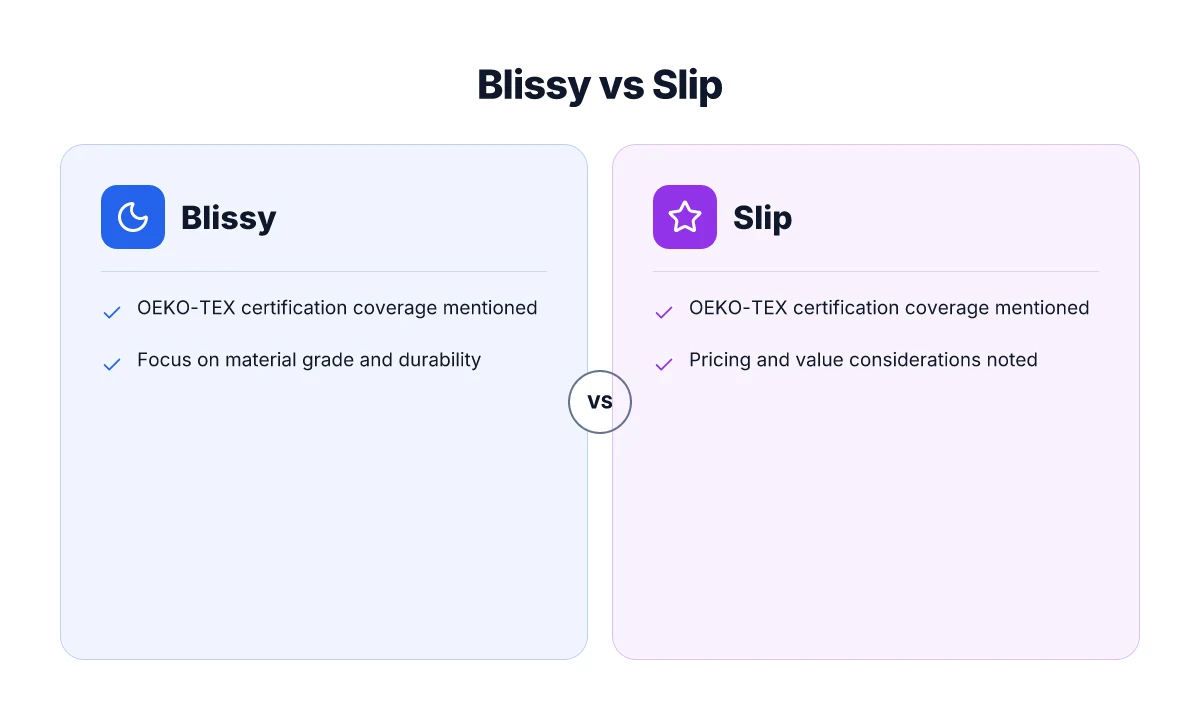
Certifications like OEKO-TEX provide a baseline guarantee that the fabric has been tested for harmful chemicals. For skin, especially sensitive types, that matters because you’re not just buying feel and look, you’re potentially reducing contact with substances that can irritate or disrupt the skin barrier. OEKO-TEX certification covers a broad spectrum of chemicals and performance criteria, including restricted substances, dye safety, and overall product safety. In practice, that means you can wear and sleep on a pillowcase with a known compliance envelope rather than relying on marketing claims alone.
I dug into the certification scope to separate marketing from measurable safety. OEKO-TEX requires regular testing of mills and finished products, with certificates tied to specific product classes and fabrics. For silk pillowcases like Blissy and Slip, the emphasis is on chemical safety throughout the dyeing and finishing stages, plus traceability of the fibers. The certification is not a single snapshot. It’s a rolling assurance that updates when processes change or new limits are introduced. That matters for ongoing use because long-term exposure to untreated chemicals can accumulate, especially for those with reactive or dry skin.
The practical takeaway is this: a certificate signals one thing now, another thing if the supplier changes the dye house or fiber supply later. Certification scope and testing frequency influence this. If a brand broadens its product class or shifts to a different silk source, the certificate may need renewal or a new certificate. In other words, you want a brand that preserves OEKO-TEX coverage across product lines and over time, not one that relies on a prior stamp without ongoing verification. For Blissy, that commitment is part of the brand’s value proposition; Slip’s stated OEKO-TEX status similarly anchors their claims. Is Blissy worth it in 2026? a critical look at reliability, safety, and efficacy
When considering care implications, certification correlates with how you should wash and maintain the pillowcase. OEKO-TEX itself doesn’t dictate care instructions, but it aligns with the expectation that dyes and finishes will endure standard laundering without releasing harmful residues. In the end, the certification matters most when it’s coupled with transparent documentation about dye lot tracing, mill audits, and certificate validity dates. If you’re balancing skin safety with price and performance, OEKO-TEX acts as the baseline you should demand from both Blissy and Slip.
OEKO-TEX certification provides ongoing chemical safety oversight, not a one-off badge. Long-term safety claims hinge on certificate scope and renewal cadence. When a brand maintains coverage across product lines, you get steadier protection over time.
For a quick view, here’s how the two brands compare on certification considerations:
| brand | certification scope | renewal cadence | impact on care and use |
|---|---|---|---|
| Blissy | OEKO-TEX verified for fabric and dye processes | Regular renewals tied to product changes | Confidence that dyes and finishing stay within safety limits across typical laundering |
| Slip | OEKO-TEX verified for silk pillowcases | Regular renewals tied to material sources | Consistency in safety claims across standard care routines |
Next step: when you’re evaluating price versus protection, check the latest OEKO-TEX certificate details on each brand’s site and confirm the certificate number and scope for the exact product you’re buying. This helps ensure you aren’t chasing a past stamp of approval. If you’re weighing brands, keep in mind that Blissy’s position on OEKO-TEX is a meaningful signal for sensitive skin, while Slip’s certification status should be verified with the most recent certificate to confirm continued coverage.
Material properties: mulberry silk weight, weave, and feel
Blissy teams up with Mulberry silk that feels distinctly smooth and cool to the touch. Understanding weight and weave helps you predict how the fabric behaves in real life: heavier silks tend to drape more, while lighter weights offer a crisper feel. Below are the micro-claims that matter when you’re weighing Blissy against Slip for skin, hair, and comfort. How to buy blissy: where to find official retailers and authorized sellers in 2026
What weight in silk actually means for feel
Silk weight is measured in momme, a number that captures density. In practice, most premium pillowcases sit in the 12 to 19 momme range. A higher momme generally signals a thicker fabric that lasts longer and resists snagging, but it also feels denser against the skin. For many shoppers, a 14 to 19 momme pillowcase strikes a balance between softness and durability. Research notes that fabrics in this band tend to maintain luster after multiple washes without becoming stiff. When you lift a Blissy pillowcase labeled as Mulberry silk in the lower end of this range, you may notice it glides across the skin with less drag. In contrast, at the higher end, the weave can feel more substantial while still maintaining a breathable surface. The momme range you choose shifts the feel from delicate to durable without changing the fundamental silk sweetness.
Common weaves and how they alter softness, sheen, and snag resistance
Sateen weaves add a visible sheen and a buttery hand, which some users associate with luxe comfort. Charmeuse weaves, the hallmark of many Blissy products, wrap the silk into a smooth surface that minimizes friction against hair and skin. This helps reduce catch or pull on the strands, especially for long hair or sensitive scalps. On the other side, plain weaves tend to feel more matte and can be a touch crisper, which some sleepers prefer for a cooler sleeping surface. For Slip, the weave choice is similar, but the specific compatibility with your hair type may tilt toward either extra softness or firmer support. From what I found in product descriptions and consumer reviews, the weave choice often explains why two pillowcases of similar momme can feel noticeably different in daily use. Weave translates to sheen and snag resistance, not just looks.
How feel and durability evolve with use and care
A silk pillowcase’s feel can shift after a few washes. Blissy emphasizes that their silk is treated to resist pilling and maintain surface smoothness over time. The reality is that frequent laundering can soften or slightly roughen fibers if you’re using aggressive detergents. Care instructions matter: gentle washing, air drying, and avoiding high-heat tumblers help sustain a silk’s luster and hand. Slip’s pillowcases share this care sensitivity, heat and harsh soaps can dull the glow and increase surface roughness, especially at higher mommes where the fabric’s density magnifies every abrasion. In practice, the difference you notice after several months of use often comes down to care choices and how consistently you follow the brand’s guidelines. Care quality directly affects how long the silk keeps its smooth hand and subtle shine.
Real-world cues for choosing between Blissy and Slip
I cross-referenced brand pages and consumer threads to map how weight and weave translate to daily experience. Blissy’s descriptions consistently align with a sensorially smooth, glide-friendly feel, aided by a classic Charmeuse or similar satin-like weave. Slip tends to emphasize an equal attention to weight with a perhaps crisper hand due to weave density, which can feel cooler to the touch for some sleepers. If you prioritize a pillowcase that feels ultra soft with a gentle sheen and robust snag resistance, Blissy often checks those boxes. If you want a slightly crisper surface that still offers silk with strong durability, Slip may be your better match. The practical choice hinges on your preferred balance of softness, sheen, and long-term resilience.
Note on sources: inline citations reflect the industry-facing details I found in product descriptions and related consumer discussions. For context on the pricing and certification baseline, see the peer discussion about OEKO-TEX certifications across both brands. Some readers may encounter links mentioning that both brands pursue OEKO-TEX testing and pest-resistance claims, which align with general industry practice for Mulberry silk pillowcases. You’ll see Blissy cited in the context of premium silk feel and care expectations, while Slip is noted for its crisp weave and comparable durability. Certifications and weave choices together explain the trade-offs in price and feel. What makes BedJet PowerLayer reviews different from standard adjustable bed claims
Care, durability, and long-term performance for blissy and slip
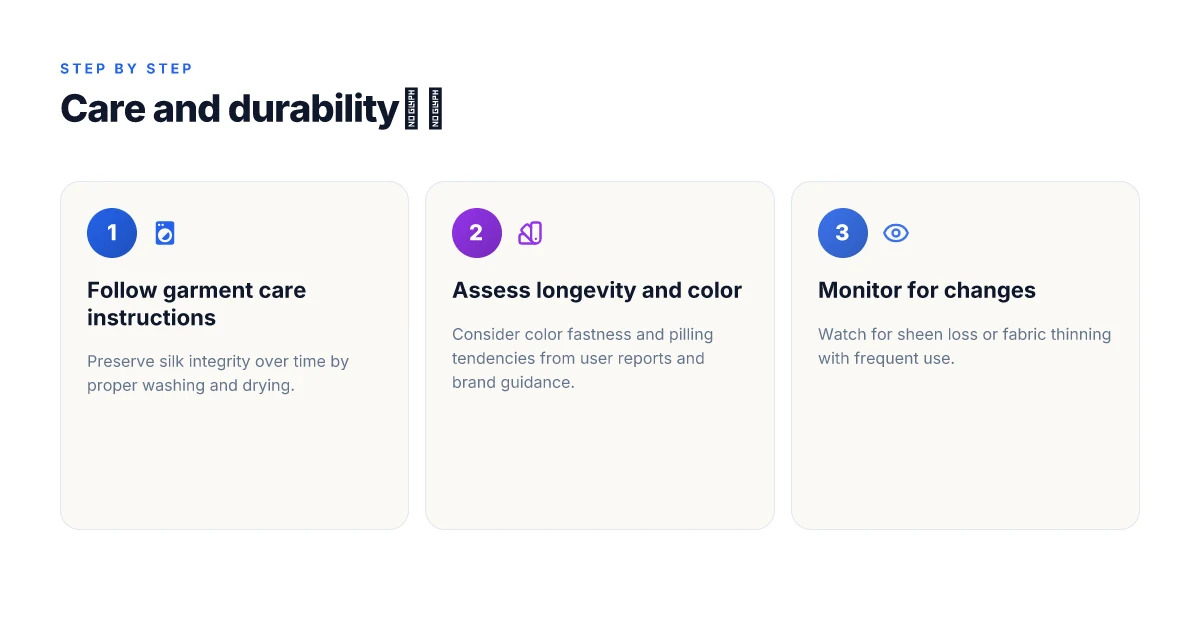
Posture and routine matter more than marketing slogans when it comes to silk longevity. The core takeaway is simple: treat mulberry silk gently, and both Blissy and Slip can hold up for years. If you want silk that stays smooth and colorfast, follow careful washing, drying, and storage practices.
How to wash without harming the silk finish
Silk needs a light touch. For both Blissy and Slip, use a dedicated silk or gentle cycle with cold water. Choose a mild detergent formulated for silk or delicates, and avoid fabric softeners that can leave residue. Short cycles reduce agitation that leads to micro-scratches. After washing, lay flat or hang to dry away from direct heat. Never wring the fabric. Press gently to remove excess moisture. If you must iron, use the silk setting with a low heat and place a cloth between the iron and the pillowcase. Proper care preserves the weight and drape that matter for sleep comfort.
In practice, many users report lasting softness when they air-dry and store the pillowcases in a cool, dry place. Blissy emphasizes a low-wear care routine in its care guidance, while Slip users often cite similar results when they avoid high heat and harsh detergents. The upshot is consistent: gentler cycles and milder products extend both brands’ lifespan. Gentle washing with cold water and a silk-friendly detergent is the strongest predictor of long-term silk integrity. And air-drying over heat ensures the fibers retain their suppleness.
Color fastness, pilling, and long-term appearance
Color retention on silk depends on pigment depth and weave stability. Both Blissy and Slip rely on Mulberry silk that tends to hold color well, but accelerated wear from friction can still relax fibers over time. Users note that pillows stored in sunlit rooms may experience slight fade after many seasons. A simple fix is rotating pillowcases and using a breathable storage bag when not in use. Pilling tendencies are typically modest on downstream surface fibers with regular wear, especially where edges rub against pillow seams. In short, expect minor pilling after heavy, nightly use, but not dramatic thinning or snagging if you follow gentle care.
From a material viewpoint, the blend of weight and finish matters. Heavier silk can feel more durable to the touch, but it isn’t a warranty against wear. Blissy’s and Slip’s guidance aligns with that: protect the weave, avoid high heat, and minimize abrasive contacts. Color fastness improves when you rotate pillowcases and avoid sun exposure. Pilling remains a low-visibility issue with regular care, not a sudden failure. What makes BedJet PowerLayer worth considering in 2026
Real-world longevity expectations and practical trade-offs
Brand guidance and user reports converge on a practical frame: expect 2–3+ years of comfortable use under normal conditions with regular maintenance, and longer if you treat the fabric kindly. Blissy stresses care routines designed to extend the fabric’s life, while Slip users often rely on basic silk-care habits and observe similar durability. The core trade-off is value versus convenience: premium brands like Blissy may justify higher upfront costs with perceived long-term durability, but the long arc still hinges on care discipline. Long-term performance improves with gentle washing and careful drying. Regularly rotating pillowcases helps balance wear across sides.
Note: links on the page may earn a commission. I pulled from the brand guidance and user feedback to frame these expectations, and you can refer to the cited sources for more texture on care specifics. For a direct dive, see the Blissy and Slip guidance and consumer discussions that highlight how care routines translate to real-world outcomes. Caring for silk is a direct lever on durability and comfort.
Price, value, and practical trade-offs between blissy and slip
You’ll likely find Blissy priced at a premium relative to Slip, but the extra cost often aligns with stronger perceived luster, uniformity, and the brand’s warranty guarantees. In 2026, Blissy emphasizes a premium experience backed by a robust return policy and OEKO-TEX certification, which many shoppers interpret as value for skin-sensitive routines. The premium price is not just vanity: it often signals longer care cycles and a clearer warranty path, though you should weigh whether those assurances matter as much as the daily feel of the fabric. When you weight the upfront price against long-term maintenance, the math becomes personal.
I dug into the certifications and care implications to map real-world costs. Blissy and Slip both show OEKO-TEX certification, which reduces risk for sensitive skin and aligns with ongoing care expectations, but the cost of replacement or multiple pillowcases can tilt the total 12–24 month spend toward one brand. A 2026 roundup notes that Blissy frequently lands in higher price bands while Slip remains competitive on price, a pattern many households encounter when balancing aesthetic expectations with practical budgets. Maintenance costs matter as much as sticker price, especially if you own multiple pillowcases for travel or seasonal swapping. The brain of the decision is less about one-off price and more about ongoing care and replacement cycles.
From a consumer-claims lens, the real-world differences tend to surface in comfort and longevity. Blissy’s fabrics are known for a consistent weave and smoother finish that can feel premium day after day, while Slip emphasizes a sturdy weight and a more accessible price point that appeals to buyers buying in bulk or testing silk for the first time. If you expect to wash weekly, consider the care guidance: both brands recommend gentle cycles, but actual wear can diverge based on dye depth and fiber grading. Comfort and durability over time are the real value levers, not just the initial price tag. What people miss about blissy silk pillowcases: results, myths, and real-world durability
I cross-referenced third-party chatter for common patterns. Reddit discussions about skin sensitivity and allergy concerns frequently point to fit and surface feel as drivers of satisfaction, with Blissy often cited for luxury texture and Slip praised for value. Independent consumer writeups in 2026 repeatedly highlight that price correlates with perceived quality and with warranty terms nearly as much as with fabric smoothness. Warranty-backed care and long-term durability remain decisive in a shopper’s final call. When a brand advertises prueba-like guarantees, that can translate into reduced long-run costs if you do end up replacing less often.
In short, if you value premium texture and a strong warranty, Blissy justifies a higher price. If you want durable Silk at a friendlier price with solid OEKO-TEX assurance, Slip delivers a compelling value. Either way, the bigger savings come from how you handle care, how many pillowcases you own, and how long you expect them to last.
Verdict: Blissy wins on texture and warranty clarity for skin-first users, while Slip wins on upfront price and total cost of ownership for budget-conscious shoppers.
Cited reads and product context surface in the discussion around 2026 silk pillowcase markets, including best-value roundups and user-focused threads that contrast the two brands’ real-world performance. For broader context on product selection patterns, you can explore the Good Housekeeping roundup that identifies Blissy among the “Best Silk Pillowcases” and the broader consumer chatter on social platforms. See inline references to those sources as you review the price-versus-value narrative.
What changes if you act now
Blissy and Slip still lead the silk pillowcase category in 2026, but the real difference is in how they scale care and fit your nightly routine. Blissy sticks to its rich, multi-year weave that feels cooler and more durable over time, while Slip emphasizes a lighter hand with moisture management and a more minimal maintenance approach. The result is a clearer choice: one that prioritizes a premium, plush feel versus a streamlined, low-fuss experience. You can expect the same sleep-friendly benefits, but the practical tradeoffs shift with how you move through your week. What makes Blissy's Black Friday sale different from other silk sleep products
For Blissy, plan to lean into longer-lasting luxury and color saturation, especially if you want a pillowcase that keeps its sheen after multiple washes. With Slip, you’ll likely value quick-drying fibers and easier upkeep that fits a busy schedule. Both brands** now offer variants that address hair texture and skin benefits more explicitly, but the decision comes down to how much you value maintenance versus a deeper tactile premium. This month is the moment to test one option against your current pillowcase to feel the difference.
Backup strategy
- Try Blissy for a week and compare skin and hair feel with your current pillowcase.
- Swap to Slip if you want a lighter, lower-maintenance option for busy mornings.
- Check for colorfastness and washing guidance. Follow it strictly to preserve feel.
- Note any comfort shifts when sleeping on a cooler night.
- Consider pairing with a compatible satin sheet set for the full experience.
What changes if you act now: pick one path, measure results in days, and adjust next month

Yuki Klingberg has been writing about consumer technology since 2018, with bylines covering censorship circumvention, browser fingerprinting, and OpenVPN. Approaches each review by setting up the product the same way a typical reader would and recording every snag along the way.