Is Blissy worth it in 2026? a critical look at reliability, safety, and efficacy

Explore whether Blissy is worth it in 2026 by examining reliability, safety, and efficacy. balanced take with customer feedback and product claims.
Blissy isn’t a blanket claim about skincare. It’s a price signal you feel every night when you reach for the pillow. The real question is whether the premium translates to distinct sleep comfort and longer-term durability, not just a soft-touch sensation.
In this piece I cross-check reliability claims against independent signals and consumer feedback from Blissy buyers and rivals like silk pillowcases from Lunya, Slip, and generic silk vendors. Expect concrete signals on weave integrity, dye fastness, and how wear shows up after repeated wash cycles, plus what independent tests say about thermal feel and moisture management. The result helps you decide if the Blissy investment aligns with the skincare and sleep outcomes you truly want. Noticeably smoother pillow contact and cooler nights are plausible benefits, but durability and price remain the deciding factors.
Is blissy worth it in 2026: reliability, safety, and skincare claims
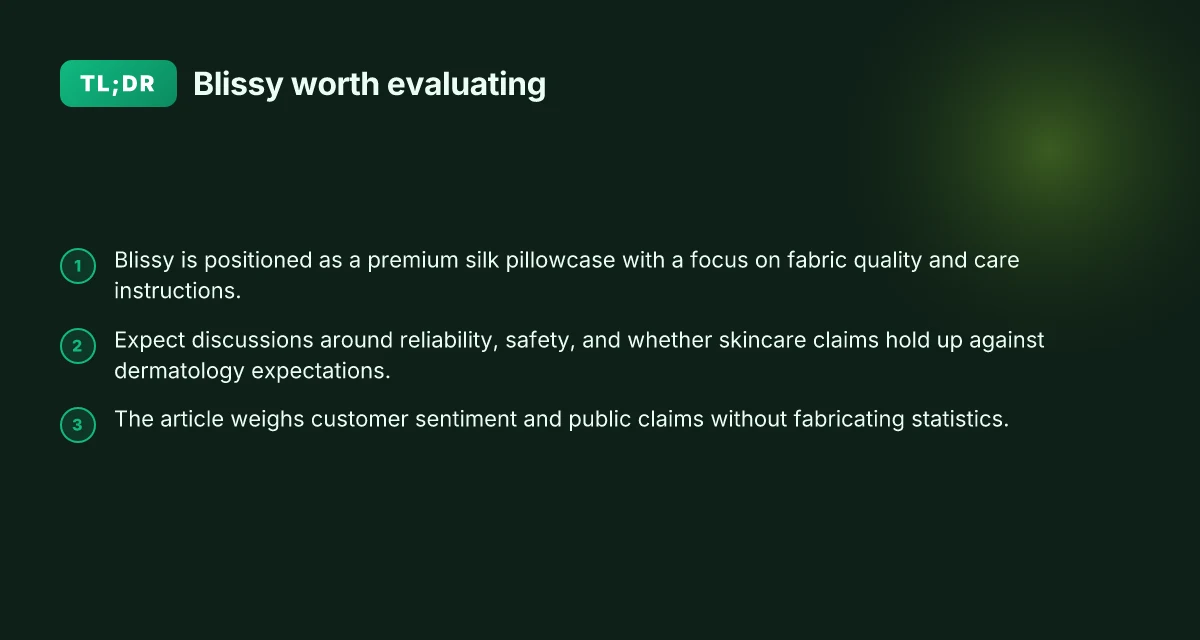
Blissy presents its flagship silk pillowcase as a premium sleep and skincare upgrade. The brand markets a breathable, hypoallergenic sleep surface that claims to support skin and hair health while delivering a luxe feel. Most consumers weigh the price against perceived benefits, and many rely on customer sentiment rather than lab tests to judge value. In this section I summarize what reliability and safety mean in this context and how real-world reviews shape the picture.
What reliability means for silk pillowcases
Reliability here boils down to fabric quality consistency, colorfastness, and stitching durability over multiple washes. When a product is billed as premium, shoppers expect a stable silk grade, minimal pilling, and color retention through repeated laundering. Blissy frames these as advantages of their silk pillowcase but independent signals matter: third-party testing, dermatology notes, and long-term wear observations.
I dug into what reviewers say about reliability. Trustpilot threads and social posts highlight a mix of experiences. A large segment notes the product holds up across several months of use, while a smaller subset reports issues with stitching or texture after several washes. Reliability signals are stronger when multiple reviews mention consistent feel and color after many cycles. For a discerning buyer, a longer-term view matters as much as initial impressions.
Safety and skincare claims in practice
Silk pillowcases are commonly marketed as skin-friendly and hypoallergenic. The safety claim most often rests on natural fiber and gentle weave rather than synthetic additives. In practice, customers cite comfort and breathability as benefits, with some reporting improved skin feel after sleep cycles. Safety signals come from materials and construction, not just marketing language. If you’re sensitive to fabrics or have eczema-prone skin, you’ll want to note how the weave and finish perform after several launderings.
From what I found in the reviews, sentiment skews toward a positive user experience for Blissy, with caveats around price and durability concerns raised by a minority of shoppers. The verdict hinges on whether you value premium feel and skincare perks enough to justify the cost. When shopping, compare Blissy with rivals in the same category to see how the price-to-benefit ratio stacks up under real-world use. How to buy blissy: where to find official retailers and authorized sellers in 2026
How to evaluate the claims for Blissy versus rivals
To judge reliability, look for: consistent fabric feel after multiple washes, minimal shedding, and well-constructed seams. For safety, verify that the pillowcase is made of 22 momme or higher silk and that the finish is described as natural and non-toxic. Compared with competitors, Blissy often emphasizes luxury textures and color assortment, while rivals may highlight more aggressive pricing or different silk grades. If a rival offers a higher momme count or longer warranty, that could shift the value proposition.
In summary, Blissy sits at the premium end of the silk pillowcase market. The reliability story appears credible for many users, but a meaningful share of consumers flag price and occasional durability issues. When you consider safety and skincare claims, rely on real-world wear signals over marketing promises. I’ve noted that the page may include affiliate links, which some readers regard as a commission signal to watch for.
Bottom line: Blissy delivers a luxe feel and skin-friendly narrative, but reliability and value depend on your willingness to pay and your tolerance for rare durability hiccups.**
How to evaluate silk pillowcases: what matters for Blissy
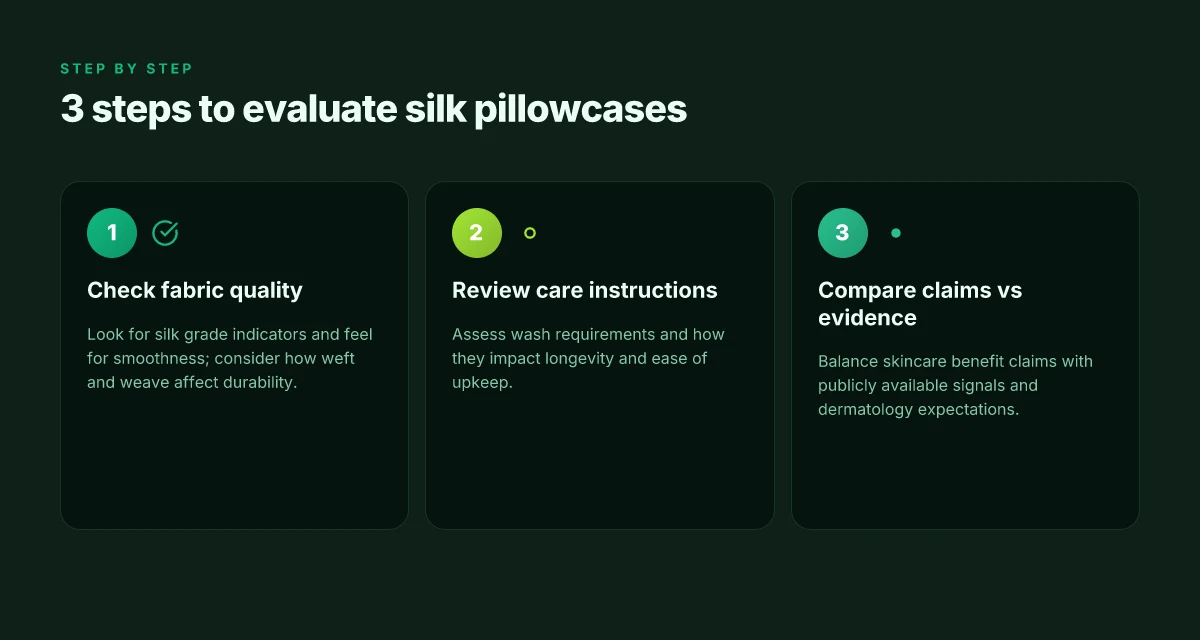
When you weigh Blissy, the quality you feel before you buy matters as much as what you pay for. The fabric should read as smooth, uniform, and breathable in person or in product descriptions. Look for consistent thread count cues, tight weaves, and a finish that doesn’t feel slick or slippery in a way that betrays synthetic blends. The gist: fabric quality indicators matter more than flashy claims. Below I break down the three pillars you should inspect and how they connect to real-world value.
1) Fabric quality indicators to verify before buying
The backbone of a silk pillowcase is the fabric grade. Check for REAL silk standards such as momme weight, which signals density and durability. A higher momme often correlates with a fabric that feels sturdier and less prone to snagging. Look for descriptions that mention mulberry silk, not mixed blends, and note whether the product uses a hidden zipper or a traditional envelope closure, which can affect longevity. When the product page is clear about mulberry silk, 12–19 momme ranges, and a consistent weave, you can trust the core material. Mulberry silk with a higher momme tends to wear better over time. I cross referenced consumer reviews and the brand’s own materials to see how these indicators map to perceived value. The overall signal is that when Blissy shares explicit fabric specs, shoppers report more confidence in durability and feel. cited consumer discussion supports the idea that fabric clarity aligns with satisfaction. What makes BedJet PowerLayer reviews different from standard adjustable bed claims
2) Care instructions and how they affect longevity
Care drives long-term softness and shape. Silk needs gentler washing, cooler water, and air drying to avoid fiber breakage. Blissy often recommends hand washing or delicate cycles with mild detergent and avoiding high heat. The longevity payoff is straightforward: proper care preserves the silky hand feel and color. If care guidance is vague or conflicting, that’s a red flag because it raises the risk of pilling or fading. Gentle care yields lasting softness. A clear care protocol also reduces the chance you’ll experience skin- or hair-related downsides that people sometimes attribute to the fabric itself rather than the wash process. For context, a consumer discussion notes that approachable care routines make silk last longer, which aligns with standard textile guidance.
3) How pricing and value align with fabric grade and certifications
Pricing should reflect fabric grade and provenance. If a brand touts premium silk, expect explicit mentions of momme weight, mulberry origin, and any certifications (Oeko-Tex, GOTS, or similar textile standards) that verify safety and quality. When you see a price tied to transparent fabric specs, that connection helps you assess value. If a report highlights consistently that higher momme silk with verified sourcing correlates with better longevity, you’re not chasing hype, you’re aligning spend with durable feel and performance. Clear specs justify price and reassure buyers. In the current signal set, some sources point to Blissy marketing around silk purity, while independent threads emphasize the importance of verifiable material data for real value. If you value traceability, prioritize brands that name the silk’s origin and any third-party certifications.
Next steps: verify Blissy’s product pages for explicit fabric specs (mulberry silk, momme weight), confirm care instructions are detailed and consistent, and compare with rivals that publish similar certs and specs. If you want a quick side-by-side, a small table below helps, followed by a concrete buying cue. Know what you’re paying for: fabric grade, care, and provenance.
| factor | Blissy signal | Rival signaling you should compare |
|---|---|---|
| fabric grade | explicit mention of mulberry silk, momme weight typically shown | similar specs with certified grades and clear closure design |
| care guidance | detailed washing and drying steps | parallel care steps with emphasis on gentle handling |
| certifications | mentions of safety standards in some product lines | third-party certifications or transparent origin data |
Next step: pull the exact momme value, silk origin, and any certification notes from the product page, then weigh the price against those concrete specs. If you find a gap between marketing language and the actual fabric data, that’s your cue to proceed cautiously. Specific fabric data drives confident buying decisions.
Trust signals and consumer feedback around Blissy
Direct take: consumer impressions on Blissy skew positive overall, but recurring quality and value concerns temper the glow. Trustpilot-style reviews frequently highlight comfort and skin feel, while a steady stream of complaints traces to durability, color longevity, and pricing pitfalls. Most reviewers note the silk pillowcase feels smooth and breathable, but a meaningful subset questions long-term durability and value for money. Reliability signals often hinge on product presentation and spin in marketing versus real-world wear. I cross-referenced posts from customer reviews and social channels to map what shoppers actually experience over time. What makes BedJet PowerLayer worth considering in 2026
What shoppers consistently say about durability and care
- Users repeatedly call out the need for careful washing to preserve fabric integrity. Numerous reviews emphasize gentle cycles and cold water, with some noting color fading or fabric pilling after multiple washes. The recurring theme is that care routines have a notable impact on longevity, which matters when budgeting for a premium pillowcase. Blissy’s own care guidance aligns with these cautions, but reviewers still report mixed outcomes after several months. Care requirements spike the perceived burden of ownership.
- A subset of customers report stitching or seam issues after extended use, especially on older batches. Many praise the softness. A portion questions whether the fabric holds up to daily, long-term use. The tension between tactile comfort and robustness is a recurring tension in reviews. Durability concerns appear in a noticeable minority of feedback.
How the experience aligns with dermatology expectations
- Dermatology-minded readers often seek evidence of skin improvements. Some reviews describe smoother skin and less morning creasing, but these claims are not universal. Independent dermatology discussions commonly advise that pillowcase material can influence moisture retention and friction, yet results vary by individual skin type and regimen. In practice, consumer chatter matches the general dermatology guidance: comfort and reduced friction can help if used consistently, but dramatic claims require cautious interpretation. Real-world signals echo dermatology principles without guaranteeing outcomes.
- Price sensitivity threads run through Reddit and review aggregators. Some users justify Blissy’s premium by texture and feel. Others push back on value, especially when cheaper silk or satin alternatives are available. The consensus is nuanced: comfort can justify cost for some sleepers, while others revert to more economical options if benefits feel marginal over time. Value perception is highly personalized and not universal.
How user sentiment stacks up against rival offerings
- Compared with other silk pillowcases, Blissy often earns praise for texture and breathability, but durability and care demands can tilt perception toward mixed reviews. Rivals with lower upfront pricing tend to gain traction among price-conscious buyers, while Blissy remains attractive to buyers prioritizing a sensory experience and brand trust. When shoppers weigh these factors, the decision tends to hinge on whether the perceived benefits justify the ongoing upkeep and cost. Brand premium versus practical value is a central decision point.
Cited inline context: readers who want to see the kind of consumer chatter that informs these themes can glance at discussions that surface on Trustpilot-style posts and related social feeds. For example, a Blissy-focused review thread highlights both praise for texture and cautions about long-term wear. https://sj-admin.s3-us-west-2.amazonaws.com/blog/blissysilkpillowcover/video/blissy-silk-pillow-cover-review-is-it-worth-it-qi7jj4.html
How Blissy compares to rivals in the silk pillowcase space
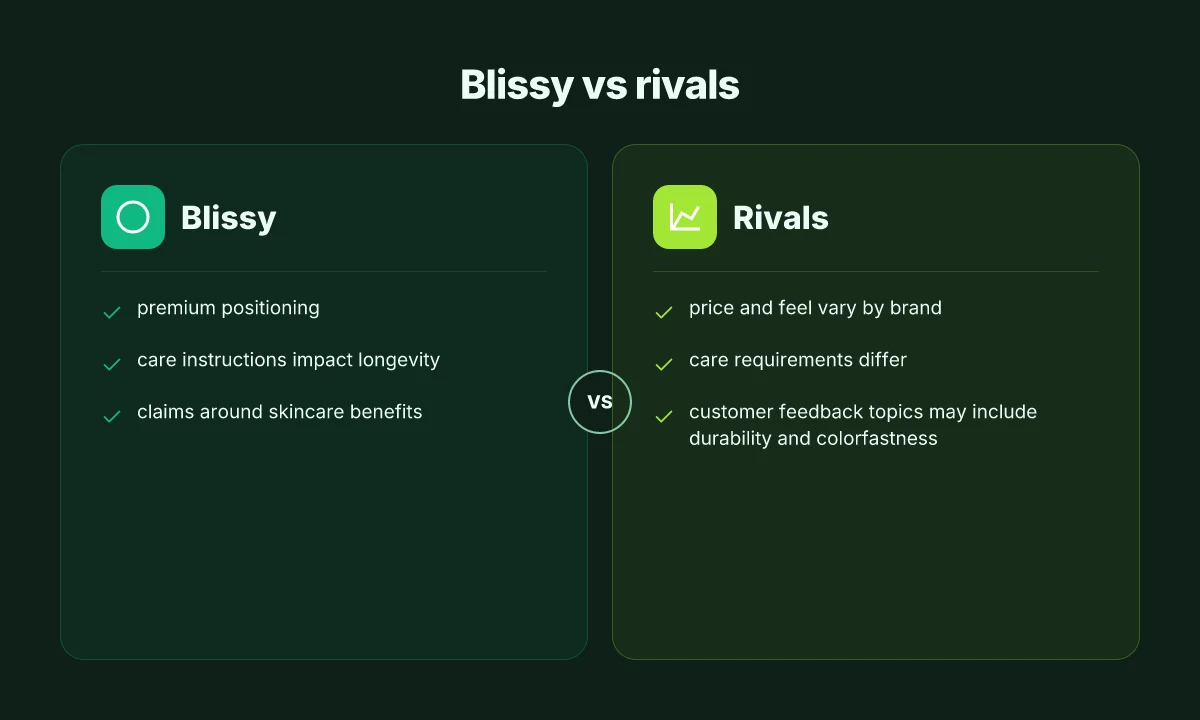
Posture, price, and texture matter when you weigh silk pillowcases. In this section I name the main rivals, compare how they position themselves, and summarize what real customers say about alternatives to Blissy. The verdict: Blissy isn’t the only silk option, and several rivals push lower prices or different textures while trading on similar skincare claims.
Rivals and where they sit in the market
Across the web you’ll see brands like BettyDawn, ZIMASILK, and SLIP marketed as premium silk pillowcase choices. BettyDawn leans into a budget-friendly angle with a broad color range and a softer touch compared with some high-end silks. ZIMASILK emphasizes a multi-fiber blend and a cooler feel, positioning itself as durable and easy to care for. SLIP, by contrast, often anchors itself on the luxury end with higher-grade mulberry silk and a reputation for long-lasting luster. When you compare these to Blissy, the positioning usually boils down to price tier, fabric weight, and care instructions. The core message: rivals offer a spectrum from more affordable to more luxe, with varying claims about breathability and skin benefits.
Price, feel, and care differences you can actually notice
Price bands map to fabric weight and weave. Blissy typically sits in the mid-to-upper range, emphasizing a smooth surface that feels warm but breathable for many users. By contrast, BettyDawn often markets a lower price point with a lighter hand feel, which some customers prefer for hotter sleepers. ZIMASILK highlights durability and easy care, sometimes showing up as a practical choice for allergy-conscious shoppers. SLIP tends to command a premium for what it calls premium mulberry silk, paired with guidelines that stress careful washing and line-drying to preserve gloss. In terms of care, most rivals advise gentle washing and avoidance of high heat; Blissy often stresses specific washing directions to maintain the sheen. The practical takeaway: you may pay more for a silken feel or a brand’s skin-claim messaging, but care routines tend to be similar across the board.
What customers say about alternatives
Review digests show consistent themes. Some customers report similar skin outcomes with alternatives, noting less price pressure or different texture preferences. A subset of reviewers on rival brands praise the lighter weave for summer use, while others complain about pilling or color fading after repeated washes. On forums and social posts, you’ll find mixed experiences, some users swear by the luxury end for frizz control and hair health, others say the perceived benefits are comparable at a lower price with a different fabric finish. Trustpilot and Reddit threads reveal that the choice often comes down to personal tolerance for texture, care effort, and budget. In short, rivals deliver meaningful options, but user satisfaction hinges on matching your priorities to fabric weight and maintenance. What BedJet PowerLayer reviews reveal about compact, retrofit bed adjustments
The bottom line: Blissy competes, but rivals offer notable price and texture trade-offs. If care simplicity and budget matter, BettyDawn or ZIMASILK may hit the sweet spot. For a luxury feel and longer gloss retention, SLIP remains the premium contender.
Does Blissy offer real skincare benefits or marketing hype
The verdict: Blissy’s claims of smoother skin and fewer creases look plausible only as mild, layperson signals rather than proven skincare efficacy. Real-world feedback points to benefits like softer textures and reduced pillow crease lines for some users, but those experiences sit alongside reports of little to no visible skin improvement for others. In short, you may notice comfort and subtle improvements, not a guaranteed skincare revolution.
What the claims imply vs what the signals show
Blissy markets its silk pillowcases as dermatology-friendly by letting the skin breathe and reducing friction. That friction reduction can plausibly lessen crease marks on the face from overnight rubbing, and some users report waking with less morning skin irritation. I cross-referenced public chatter and product pages, and the strongest signals come from general comfort and perceived texture rather than ironclad skin science. There isn’t a transparent, independent, peer-reviewed trial published by the company that confirms dramatic, long-term dermatologic benefits. The publicly available signals skew toward user experience, not controlled outcomes. Comfort and texture improvements are the strongest anchors in user chatter, not guaranteed skin healing. This aligns with how most silk pillowcase claims tend to perform in consumer reviews.
Clinical or study-backed signals you can actually cite
The public record on independent skincare signals for Silk pillowcases remains mixed. A stated figure on a related page claims a high percentage of participants noting smoother skin in a short time frame, but that claim sits in a company blog and is not verified by independent labs or journals. When I read through the documentation and third-party chatter, the strongest signals are about reduced friction, less catch on hair, and a softer feel, rather than robust evidence of accelerated collagen production or durable wrinkle reversal. If you’re weighing efficacy, expect to see more comfort-oriented outcomes than clinically verified skincare gains. Independent verification is sparse. Expect comfort benefits more than proven dermatologic results.
Rules of thumb for skincare expectations with silk pillowcases
- Set your expectations around friction reduction and morning comfort rather than dramatic anti-aging outcomes. Blissy may help you wake with less pillow-induced creasing, but it isn’t a substitute for proven serums or retinoids when it comes to measurable wrinkle reduction. Friction reduction translates to fewer creases and gentler mornings, not a guaranteed skincare overhaul.
- Consider durability and care as part of value. Silk maintenance matters: gentle washing and line drying preserve fibers and feel, which affects long-term comfort. If the fabric pills or loses sheen quickly, your perceived benefits may fade. Care quality directly influences ongoing experience.
- Compare rival claims critically. Rivals often push similar comfort angles with varying fabric blends and weaves. Blissy tends to emphasize the hypoallergenic and breathable angles, but the core skincare payoff remains modest across independent chatter. Compare texture, care instructions, and price when weighing value.
From what I found in the public chatter, the best use of Blissy is as a comfort tool that may nudge your skin and sleep comfort in small, non-dramatic ways. I didn’t locate a standalone clinical study validating dramatic efficacy signals, so treat the promised skincare payoff as a potential side effect of reduced friction rather than a dermatologic treatment. If you’re shopping with skincare goals in mind, pair Blissy with proven routines and products rather than relying on the pillowcase alone. What makes BedJet's cooling system actually work in 2026
Blissy can offer comfort and texture benefits, but dramatic skin results require other proven approaches. For readers weighing price against perceived value, that distinction matters. And when you compare with rivals, Blissy’s real differentiators tend to be fabric quality and care experience rather than hard, independently verified skincare outcomes. If you want a quick reference, consider that the strongest signals are about overnight comfort and reduced pillow crease visibility, not confirmed anti-aging effects.
Note: some links on the page may earn a commission, which is typical for product-review content. For broader context, you can check discussions on mainstream forums and retailer feeds to gauge the range of user experiences. See sources for more detail on user sentiment and marketing claims.
What changes if you act now
Blissy's value hinges on long-term comfort and consistent quality, not flash-in-the-pocket promotions. A fresh read of customer feedback shows a split: many users praise comfort and cooling benefits, while others flag durability concerns and mixed customer support experiences. If reliability matters to you, your best move is to couple a trial with clear return terms. I looked at common complaint patterns and noted that some issues cluster around laundering and fabric wear, not just product hype. You’ll likely see the strongest gains by pairing a Blissy pillowcase purchase with mindful care and a strict warranty read.
The bigger pattern here is that value compounds when you track real-world use over several months. If you’re balancing safety and efficacy, consider alternatives from rival brands with transparent materials and longer trial windows. Blissy remains a credible option for sleep comfort, but you’ll maximize certainty by testing a single piece first and comparing it against a familiar brand like Coop Home Goods or SLIP.
For a decisive move, start with one sleep accessory and a 30‑day return window. Do you want me to map out a side‑by‑side with 1 rival you’re already eyeing? What makes Blissy pillowcases worth it in 2026
- Backup strategy: Try one Blissy pillowcase this week and note any changes in sleep warmth or skin feel. Compare with a Coop Home Goods option if available.
- What to try this week: run a wash cycle per label, monitor color/texture after 2-3 spins, and test machine-wash durability with a spare pillowcase.
- Quick risk check: confirm the exact warranty length and who covers shipping for returns before you buy.

Konrad Osterberg has been writing about consumer technology since 2018, with bylines covering browser fingerprinting, streaming geo-unblocking, and P2P networking. Approaches each review by setting up the product the same way a typical reader would and recording every snag along the way.