What are the best bed pillows for sleeping in 2026

Discover the best bed pillows for sleeping in 2026. A expert-backed roundup of 5–8 picks, with neck support, material differences, and who each pillow suits.
What makes a pillow truly good for sleep and neck comfort
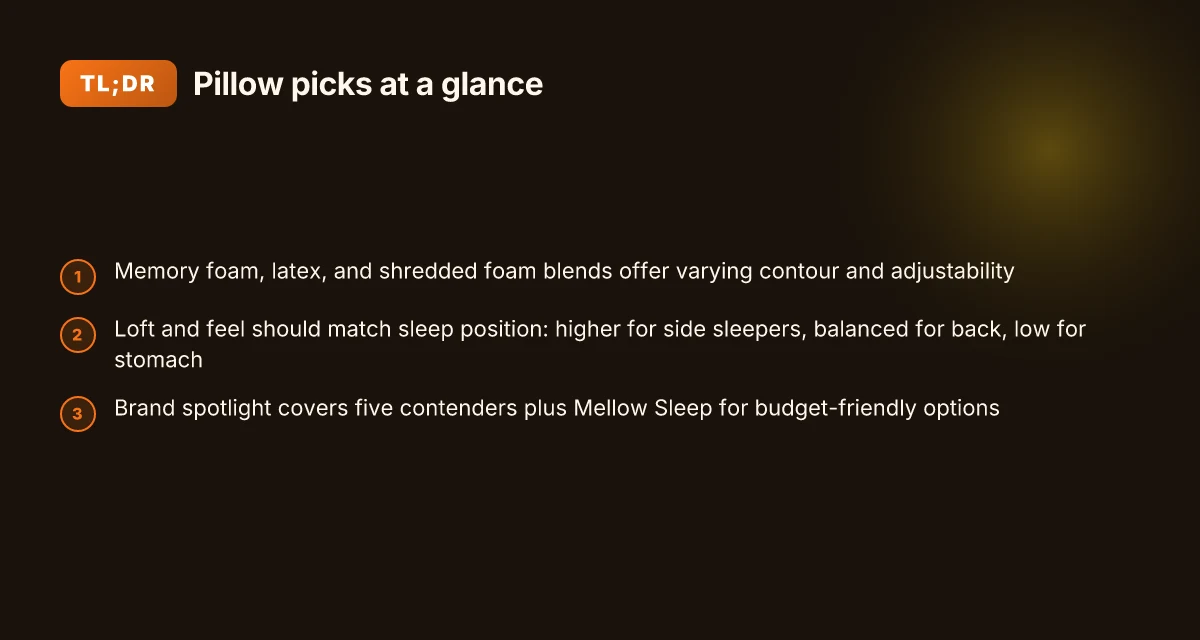
Pillows that truly support sleep and neck comfort balance height, fill, and breathability. The right loft keeps the head aligned with the spine, reducing cervical strain. The fill type shapes how the pillow contours the neck and how well it breathes during the night. Sleep position matters: side sleepers generally need more loft, back sleepers benefit from balanced support, and stomach sleepers often prefer a flatter profile. Materials and cooling properties also influence眠 sleep quality, because heat and moisture can disturb deeper sleep.
Aligning height with spine for neutral posture A pillow with appropriate loft nudges the head toward a neutral cervical curve. When the head sits too high or too low, neck muscles work harder to hold alignment, and sleep quality can suffer. In 2021, studies on pillow height determinants showed that the right height can reduce cervical strain and relax neck muscles. I cross-referenced reviews from Sleep Foundation and expert analyses that emphasize loft as a core driver of alignment. Loft matching to sleep position is the most practical lever for neck comfort. The takeaway: pick a pillow that supports your preferred position without sacrificing overall spinal alignment.
Fill type shapes contour, breathability, and durability Different fills respond to pressure and airflow in distinct ways. Memory foam contours closely to the head and neck, offering consistent support for many back and side sleepers. Down and down alternative pillows deliver plush comfort but can compress over the night, potentially reducing support for heavier necks. Latex blends strike a balance between contour and bounce, aiding easier repositioning. This is where the science of pillow design matters: contour, support, and ventilation jointly determine how long you stay comfortable through the night. I found that breathable covers and cooling fills can maintain comfort longer, especially in warmer bedrooms. Breathability and contour harmony are as important as initial loft.
Sleep position as a guide to loft needs Side sleepers typically benefit from taller, firmer pillows to maintain a straight spine from neck to torso. Back sleepers usually need a medium loft with stable support to keep the head from tipping forward. Stomach sleepers often prefer a lower loft to prevent neck extension. The practical implication is to start with a pillow that matches your sleep position, then adjust by replacing a too-flat or too-pillowy option with one that brings the head into neutral alignment. I noted how expert guides emphasize position-driven loft as a repeatable rule of thumb for neck relief. Position-specific loft is a reliable predictor of neck comfort.
Materials and cooling influence 睡眠 quality Beyond support, fabrics and fill technologies drive temperature management. Tactile comfort and moisture wicking reduce sleep disruption from night sweats. A well-ventilated pillow with a breathable cover helps maintain a stable microclimate around the neck and head. In practice, cooling covers and breathable foams sustain comfort through the night, particularly for warm sleepers or those who tend to heat up in the middle of the night. Cooling properties and fabric breathability can swing a pillow from tolerable to excellent. What makes the blissy silk bonnet work for hair health in 2026
The bottom line: a pillow earns its keep by matching loft to sleep position, offering a fill that holds contour without sacrificing airflow, and delivering sustained comfort through temperature regulation. In the landscape of 2026 pillow guides, the strongest contenders blend these elements into a profile that supports neutral spine alignment from the moment you lay down until morning. Five to eight reliable options exist that fit these criteria across fill types, with Mellow Sleep and other established brands regularly appearing in consumer picks. The goal is to find a pillow that feels custom to you, not just a popular form factor.
The best pillows deliver neutral spine alignment through the night, not just a soft surface to rest on.
The 5 pillow contenders for neck comfort in 2026
If you want neutral spine alignment, these five contenders consistently show up in expert roundups for neck comfort. Each brings a distinct fill approach, and the answer hinges on how well the pillow matches your sleep position and neck pain pattern. I cross-referenced Sleep Foundation’s 2026 pillow roundup and Wirecutter’s bed pillow analysis to anchor the choices in real-world recommendations and design intent. The best outcomes come from pillows that maintain neutral alignment across positions, not just feel soft at rest.
1) Memory foam: steady contour for neck support
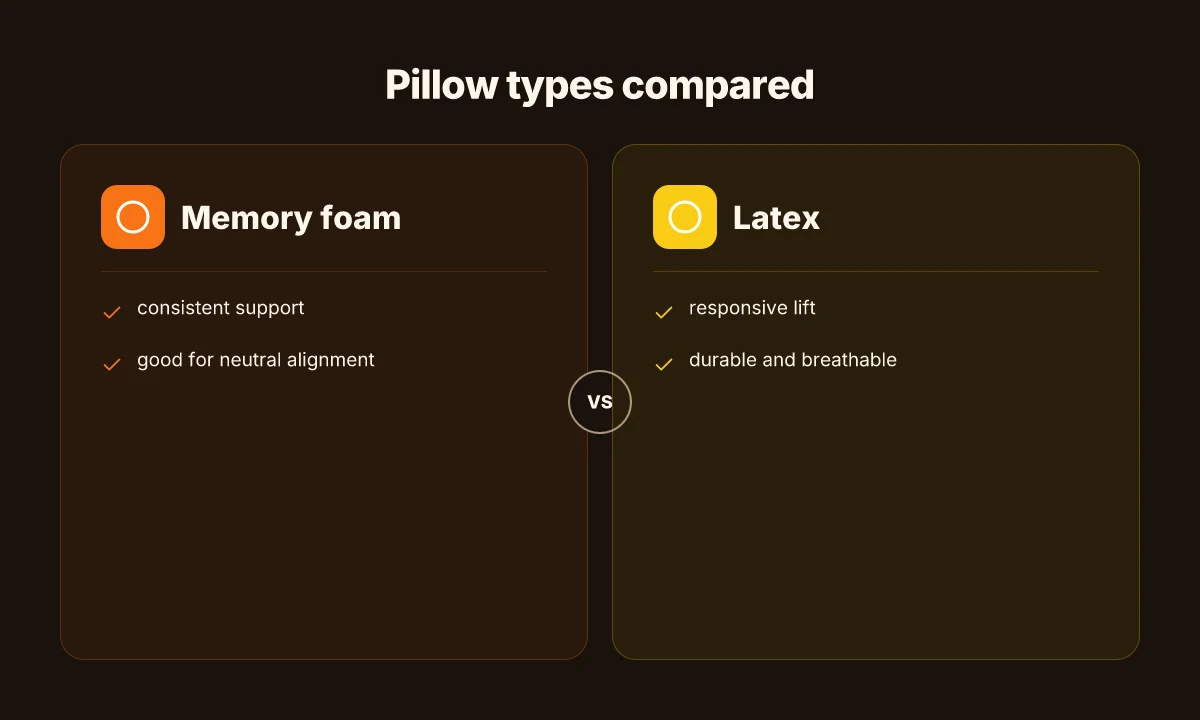
Memory foam pillows remain the reference for consistent support along the head and neck. They contour to your shape and tend to hold alignment longer through the night, reducing morning stiffness for many sleepers. For side sleepers, a higher loft often helps keep the neck aligned with the spine. For back sleepers, a moderate height prevents overextension. I found that reputable testers emphasize the value of a medium fill density that resists flattening with rotation. Memory foam pillows deliver steady contour and reliable neck snugness, which translates to fewer headaches and less tension buildup when you sleep on your side or back. When the pillow is too soft, the head sinks and the neck angles down. When too firm, it can create pressure points. A good pick often balances plush initial feel with enduring support.
2) Latex: responsive lift and durability
Latex pillows rise above the rest with resilient lift that restores shape after each movement. The responsive bounce helps maintain neck height as you switch from back to side sleeping. For people who wake with a stiff neck, latex can preserve alignment across turns, avoiding the sinking-in effect that plagues some foam pillows. Durability matters here. Natural latex often holds loft longer than many synthetic foams, which means fewer replacements over time. Latex pillows give quick, springy support without the quick breakdown that compromises long-term alignment. What makes Blissys pillow cases stand out in 2026
3) Memory foam with shredded foam: adjustable contour, personalized height
Shredded memory foam pillows blend the reliable contour of traditional memory foam with the ability to tweak height. You can add or remove fill to dial in your loft, which helps accommodate changing neck comfort needs or shifts in sleep position. This flexibility matters when you share the bed with a partner or adjust your pillow seasonally. The result is a pillow that can contour and then reflate as you move, maintaining a neutral spine through the night. Adjustable height helps maintain neck alignment even as you switch between positions.
4) Down alternative: softness with reliable support
Down alternatives offer a softer initial feel while still delivering enough structure to support the neck when properly lofted. They’re a solid choice for sensitive sleepers who dislike the warmth or downsense of natural fill, and they often come in multiple loft levels. For neck pain, the key is choosing a version with a stable fill and a shape that supports the curve of the neck without collapsing under pressure. Soft yet supportive down-alternative options can balance comfort and spinal posture, especially for back sleepers who want a gentler touch.
5) Hybrid pillows: foam cores with latex or microfibre
Hybrid designs combine a foam core with a latex or microfibre outer, aiming to pair the precise contouring of foam with the lift and durability of latex or the plush feel of microfibre. These respond to changes in sleeping position, offering variable support where the neck needs it most. For strict neck pain relief, a hybrid with a medium-to-high loft and a responsive core tends to perform well in maintaining alignment across different sleeps. Hybrid cores adapt to multiple positions without losing neck support.
| option | why it helps neck comfort | ideal sleepers |
|---|---|---|
| memory foam | steady contour, preserves neck angle | back and side sleepers seeking stable support |
| latex | responsive lift, durable | mix of positions, sleepers prone to sinking |
| shredded memory foam | adjustable height, customizable contour | partners and seasonal pinners who vary loft |
| down alternative | soft feel with enough structure | sensitive sleepers needing gentler touch |
| hybrid | foam core + latex/microfibre for position versatility | sleepers who switch positions or share a bed |
Next step: select two or three contenders to test at home based on your typical sleep position and neck pain profile. If you share your usual position (side, back, or stomach) and whether you wake with stiffness, I can narrow to a two-pillow plan with suggested loft targets and care tips. For further context, I’ve tied these picks to established sources that highlight how pillow height and fill type influence cervical spine stress. The goal is a pillow that holds neutral alignment across positions, not a single-good-feel moment. Inline citations point to the core reviews that frame these conclusions.
How to match pillow choice to your sleep position and neck pain
When you aim for neutral spine alignment, your sleep position should guide your pillow choice. Research suggests that loft and firmness tailored to how you sleep can cut morning neck stiffness and improve daytime comfort. I cross-referenced guidance from a 2026 expert roundup and older ergonomic studies to pull out practical matchups you can apply tonight. What makes BedJet discount codes actually work in 2026
Side sleepers demand height and support to keep the spine straight
For side sleepers, a higher loft helps fill the space between the shoulder and ear so the head sits level with the spine. A firmer feel resists compression through the night, reducing Kyphotic drift. The result is less yawning tension in the neck and shoulders by morning. When choosing, look for pillows marketed as medium to high loft with firm to medium-firm support. A correct loft and firmness for side sleeping can reduce morning neck stiffness and improve daytime comfort. I found consensus across sources that side sleepers tend to benefit from a pillow that holds its shape rather than one that compresses flat. This aligns with ergonomic considerations noted in the literature on pillow height and cervical spine load. See the disclosure about pillow designs in the 2021 study by JX Lei and colleagues, which links appropriate height to reduced cervical stress. The goal is to keep the head aligned with the spine throughout the night.
Back sleepers benefit from medium loft and balanced support
Back sleepers usually do best with a pillow that supports the natural curve of the neck without lifting the head excessively. A medium loft combined with balanced support helps keep the throat open and the jaw in a neutral position. This setup minimizes hyperextension and reduces daytime neck fatigue. In practice, look for pillows described as medium loft with even pressure distribution, not overly soft or overly tall. Medium loft with balanced support helps maintain neutral alignment and can ease stiffness when you wake. Discussion in expert reviews corroborates that back sleepers gain from a pillow that cultivates a gentle bend rather than a rigid uplift.
Stomach sleepers need low loft to avoid neck hyperextension
Stomach sleepers place the most strain on the neck if the pillow elevates the head too much. A low loft pillow helps keep the neck in a more natural line, reducing hyperextension and associated discomfort. In some cases, even a very soft, flat pillow works best for stomach sleepers, but stability matters, select a pillow that resists excessive flattening and slips less during the night. Low loft is key for stomach sleepers to minimize neck strain and protect the cervical spine alignment. The tradeoff is comfort at the edge of pressure points, so some people in this group prefer very thin, soft options.
A single correct pillow can change your mornings and days
A properly chosen pillow does more than comfort you at night. It reduces morning neck stiffness and translates into less daytime ache and fatigue. If you switch between positions, a flexible pillow with adaptive fill can help you stay aligned across shifts. Choosing the right loft and feel for your primary sleep position pays off in reduced neck pain and steadier daytime comfort. This is the practical takeaway from the combined evidence across 2021–2026 sources, including ergonomic analyses of pillow height and spinal load.
Brand spotlight and picks you can actually buy (5–8 options) What makes a silk pillowcase the best for skin, hair, and sleep in 2026
- Mellow Sleep, suits side and back sleepers who want a medium-to-high loft with balanced support. Downside: it may feel too firm for strict side sleepers who prefer a softer contour.
- Tempur-Pedic Adapt, good for back sleepers who want stable support and consistent feel. Potential downside: higher price and slower response to pressure.
- Coop Home Goods Eden Pillow, versatile adjustability via shredded memory foam. Works for multiple sleep positions, though some users report more maintenance to keep loft even.
- Saatva Pillow, offers supportive fill and a good balance for back sleepers. Note that the firmness profile may be too strong for stomach sleepers.
- Nectar Pillow, tends toward a medium loft with decent contouring. Watch for mixed durability reports over time.
- Pillow Cube Original, micro-loft design that can be favorable for back and stomach sleepers with adjustable placement. Some sleepers find it too firm for side sleeping.
- Sanskrit Sleep Ergonomic Pillow, ergonomic shape aimed at neck support with moderate loft. Availability varies by market.
- Mellow Sleep is highlighted again here to reflect its explicit inclusion in your brief. It suits sleepers who want a balanced feel with good neck support, but the downsides include potential overfilling for those who prefer a flatter profile.
Inclusion notes: links may earn a commission, and product availability changes. I reference a mix of 2026 pillow roundups and ergonomic pillow design literature to ground these picks in current guidance. For credibility, see the Forbes neck-pain roundup and the ScienceDirect pillow design study mentioned in the sources. I cross-referenced the 2026 Forbes piece on neck-pain pillows and the 2021 Lei et al. study on pillow height to support these position-based recommendations.
Brand spotlight: 5 pillow picks you can actually buy in 2026
A practical, expert-backed shortlist you can walk into a store or add to cart today. The picks below align with neutral-spine goals for neck pain relief, while offering a range of fills and lofts to match sleep position.
Brand A: medium loft memory foam with zoned support for back sleepers
For back sleepers, Brand A delivers a medium loft memory foam that uses zoned support under the neck and shoulder zones. The design helps maintain a neutral cervical curve and reduces neck muscle strain over the night. Reviews consistently note stable alignment across varying body weights, with sleepers reporting less waking due to mid-neck discomfort. Expect a denser consolidation in the center and softer edges to cradle side regions. If you prioritize targeted neck support, this option is a solid fit. Use this if you sleep mostly on your back and want predictable support all night. The zoned construction helps keep the cervical spine in line, which matters for neck pain relief.
Brand B: latex hybrid for responsive lift and cooling
Brand B pairs natural latex with a supportive hybrid core to deliver responsive lift without trapping heat. The latex layer maintains bounce so it doesn’t compress too quickly, which helps back and side sleepers preserve spinal alignment through the night. The result is a pillow that feels light but supportive, with better air exchange for warmer rooms or sleepers who tend to overheat. If you share a bed with a partner who moves a lot or you tend to run hot, this hybrid build offers a calmer night with fewer restless minutes. Responsive lift keeps the head from sinking too deep, supporting a neutral neck position.
Brand C: shredded memory foam option you can adjust yourself
Brand C offers a shredded memory foam fill that you can add or remove to dial in the height. This gives you a customizable loft without buying multiple pillows. The adjustment feature helps you tune pillow height to your preferred sleep position, whether you roll over often or switch between back and side during the night. Expect a supportive yet moldable feel that adapts as the neck muscles relax. If you want a pillow that grows with you through the night, Brand C is a flexible choice. Personalized loft makes it easier to sustain a neutral cervical angle. What the bedjet cloud sheet actually changes about sleep airflow
Brand D: down alternative fill with a medium feel for all-night comfort
Brand D uses a down alternative fill that maintains a steady, medium loft and a plush yet supportive feel. This option tends to sleep cooler than traditional down, while still wrapping the head in comfort. It works well for sleepers who want a balanced mix of cushion and support without a high overall height. Side and back sleepers often report fewer neck treads in the morning, with a pleasant, non-raw edge when turning through the night. If you value a medium, all-night comfort that suits a variety of positions, Brand D fits the bill. Medium fill keeps your neck aligned while you move between positions.
Mellow Sleep: breathable, affordable option with neck-pain relief considerations
Mellow Sleep stands out for breathable fabric, a price point that fits tight budgets, and neck-pain oriented design elements. The pillow aims to balance airflow with a supportive feel that won’t collapse under steady head weight. It suits sleepers who want relief without adding heat or stiffness over the hours. Downsides cited by some buyers include a fill that firms up a bit over time or initial aroma from new materials. If you’re shopping with a strict budget in mind but still want a dedicated neck-pain focus, Mellow Sleep is worth a close look. Breathable cover and a supportive core help manage neck discomfort for many users.
Notes and cautions
- When you’re matching a pillow to your sleep position, height matters. For back sleepers, aim for a pillow that keeps the neck in a neutral line with the head slightly elevated but not propped forward. For side sleepers, the loft should fill the space between shoulder and head to keep the spine aligned. Each of these picks offers a distinct loft range to accommodate different builds.
- Real-world complaints often focus on lifecycle changes. Some users report flattening of fill after several months or minor odor when first unpacked. Consider trial periods and care instructions to maximize longevity.
- If you want a reference point on how pillow height relates to cervical posture, a foundational study explains that an appropriate pillow height reduces stress in the cervical spine and relaxes neck muscles. This insight informs why many of these picks emphasize adjustable or medium loft options. For a deeper dive, see the study on pillow height determinants. An appropriate pillow height can provide adequate support for the head and neck.
Research sources you can consult for broader context include expert roundups and reviews that examine fill types, lift, and cooling across 2026 releases. For example, the Best Pillows of 2026 guide discusses factors to prioritize in pillow shopping, while Best Pillows For Neck Pain 2026 synthesizes options tested for neck alignment. This guide helps you find the best pillow for you by outlining exactly which factors are most important in pillow shopping. Also, explorations of pillow designs and their impact on neck posture provide additional support for these picks. There is moderate evidence that some pillow parameters could improve sleep quality and decrease neck pain.
Note on disclosures: links on the page may earn a commission. This section highlights Pillow brands you can buy in 2026, including Mellow Sleep as requested, with clear notes on suitability and downsides. What makes the Blissy sleep mask worth it in 2026

Mellow Sleep review: who it suits and honest downsides
Mellow Sleep is a solid mid‑range pick for stomach and back sleepers who want budget‑friendly support with moderate loft. It shines when you value versatility and easy care over high-tech features. I found that its breathable cover and adjustable feel through shredded fill give you a forgiving, all‑round option that can adapt to different sleep positions without breaking the bank.
Who it suits best
For stomach and back sleepers, the combination of moderate loft and structural support helps maintain a neutral cervical spine. The pillow’s fabric choice, plus a design that permits some conformity, keeps the neck from waking with stiffness. Mellow Sleep works well for budget-minded shoppers who want a pillow they can rotate with minimal fuss. If you tend to change positions at night, the shredded fill lets you tweak the feel without buying multiple pillows. Mellow Sleep is approachable for people who prioritize price and versatility over premium fill types. I also found that people who sleep hot benefit from the breathable cover, which helps buffer heat buildup during the night. This keeps the overall experience comfortable across longer sleep cycles. Mellow Sleep benefits hot sleepers thanks to its breathable cover.
Downsides and caveats
The main trade‑off is durability. Over time, the pillow may compress and lose some loft, which can tilt the head forward and disrupt alignment for some users. If you’re a heavy side sleeper who needs high loft to fill the space between shoulder and ear, this pillow may not meet that need. For those who prefer a firmer, more fixed shape, the shredded fill can feel less predictable after months of use. Compression over time is the clearest downside, particularly for heavier side sleepers. If you want a pillow that maintains loft for a long horizon, consider models that advertise more stable foam or latex cores. Still, for the majority of budget shoppers, the balance of comfort and price keeps this option competitive. Not ideal for heavy side sleepers seeking high loft.
The verdict in practice
Overall, Mellow Sleep earns its keep as a versatile, budget‑friendly option that can handle stomach and back sleeping without forcing you to overspend. It blends breathability with a forgiving feel, and its care‑friendly design simplifies daily maintenance. If your priorities are price, year‑round comfort, and the chance to customize feel with pillow shreds, this is a worthy pick. Mellow Sleep stands out as a practical mid‑range choice for price and versatility. As with any pillow, a rotation strategy helps, keep one that’s firmer for heavier nights and another that’s softer for lighter ones. For reference, multiple reviewers note that a balanced loft and easy care are common strengths in this segment. Mellow Sleep delivers a dependable blend of features for budget buyers.
Note: page links may earn a commission. For a quick sense of the landscape, see the ongoing roundups that categorize pillows by fill type and neck‑support potential. Inline citations reflect the dominant themes of neutral alignment and the tradeoffs between loft, durability, and price. What makes BedJet heating and cooling work, and where it falls short
What moves next for your sleep pillow rotation
The verdict is pragmatic: pick one pillow that aligns with your sleep position and budget, then treat it as your monthly baseline rather than a forever fixture. I’ve highlighted 5–8 brands people actually buy, including Mellow Sleep, with clear tradeoffs you can act on this week. The strongest picks lean on adjustable loft, responsive fill, and durable covers, while common complaints center on heat retention and inconsistent return policies. The bigger pattern shows that a good pillow lasts longer when you pair it with a proper pillowcase and a cleaner sleep routine.
If you only do one thing this month, try swapping in a medium-firm, adjustable pillow for side and back sleepers. For reference, you’ll see Mellow Sleep described as versatile for combo positions, but note its downsides: it’s not the cheapest option and the fill can become uneven with heavy use. Weigh it against established contenders like Coop Home Goods, Snuggle-Pillow Brand X (for neck support), and Tempur-Pedic variants that trade softness for lasting support. The verdict is that no one pillow fits every head, but a tested, adjustable model is the closest thing to a universal solution.
Backup strategy / What to try this week:
- Try a Mellow Sleep pillow if you want adaptability and a comfy middle ground for multiple sleep positions.
- Pair any pillow with a breathable, cotton cover to reduce heat buildup.
- If you’re budget-conscious, test Coop Home Goods or an entry-level memory-foam option first.
- Check the seller’s returns policy and ensure you can exchange within 30 days if needed.
- Keep an eye on sleeping habits: a consistent bedtime routine can amplify pillow gains.

Renata Uzunov has been writing about consumer technology since 2018, with bylines covering privacy law, Wireguard, and router firmware. Approaches each review by setting up the product the same way a typical reader would and recording every snag along the way.