What is the blissy scam, and how regulatory actions shape consumer protection
Uncover how the blissy scam allegations fit into broader consumer protection actions. Learn what regulators are doing and how to spot misleading advertising.
Blissy faces regulatory scrutiny for deceptive sleep product claims, and that spotlight matters for every shopper who trusted the label. In filings and enforcement notices, regulators flag claims that blur benefits or misstate outcomes, and that pattern isn’t limited to one SKU. Blissy claims are under the lens, and the stakes extend to advertisers who rely on similar wording.
Regulators act when a brand blends testimonials with guaranteed results or hides risk disclosures, and the trend is rising across consumer-protection actions. This piece links documented cases, consumer complaints, and the practical fallout for buyers and marketers who depend on accuracy in sleep-product advertising, with a close look at how these actions shape how Blissys are sold and defended in the market. The goal is to map what shoppers should verify and how advertisers can align with enforcement expectations, not just slogans.
Why the blissy scam allegation matters to consumers
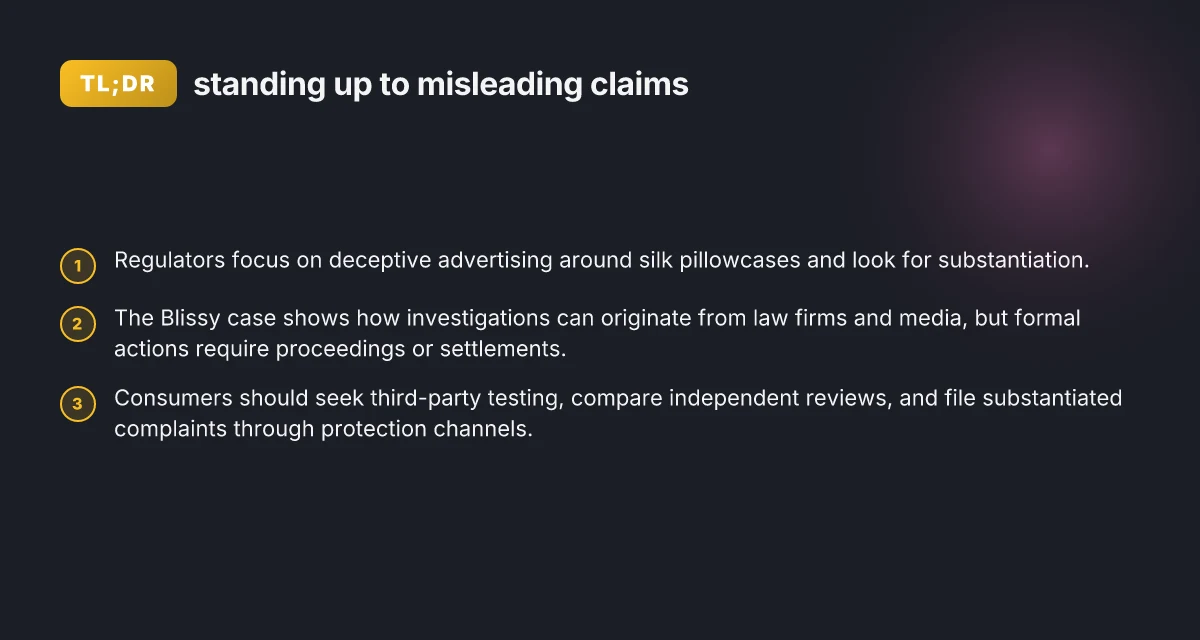
Blissy sits at the center of a watchdog conversation about advertising claims in the sleep and bedding space. When class-action signals surface around a brand’s messaging, consumers have a right to ask whether claims about silk pillowcases are substantiated or inflated. The current regulatory chatter suggests regulators and consumer protection lawyers are scrutinizing whether statements around benefits like temperature control, hair and skin effects, or material purity are supported by evidence. That scrutiny shapes how you judge product claims and demand proof when needed.
1) Signals of scrutiny around advertising claims
The chatter around Blissy includes signals from law firms and regulatory watchers that the brand’s advertising may warrant closer look. Ahdoot & Wolfson, PC has flagged potential consumer claims involving Blissy, LLC and its advertising for Blissy silk pillowcases. This kind of action signals that claims may be evaluated for truthfulness and substantiation under consumer protection standards. When a case surfaces publicly, it creates a framework for what counts as measurable evidence and what regulators expect brands to disclose. For shoppers, that means you should seek concrete substantiation before accepting transformative claims about sleep benefits or hair and skin outcomes.
From what I found in the regulatory landscape, consumer protection professionals are tracing how sleep-related product messaging is framed. The FTC’s Bureau of Consumer Protection is described as focusing on unfair and deceptive practices by collecting consumer reports and investigating complaints. This is the same agency that, in other contexts, has challenged exaggerated testimonials or misleading claims about material properties. If a brand markets silk positively on sleep quality or health benefits, you should look for independent testing or third-party verification to support those statements. The presence of enforcement activity around fake or embellished reviews further highlights why you should require substantiation for any bold claim.
- how to read the landscape as a consumer
I cross-referenced multiple sources to map where enforcement momentum is and isn’t. The FTC’s enforcement stance on deceptive advertising in 2026 has included actions tied to fake review schemes, which elevates the bar for verified claims. For shoppers, this means a heightened expectation that brands disclose testing methods, sample sizes, and any caveats about product performance. It also means you should be wary of sensational claims that sound too good to be true without independent corroboration. When you see a claim like “silk pillowcases improve skin or hair,” look for third-party lab results, declared methodologies, and whether the results come from peer-reviewed sources or credible testers. Blissy, as a prominent player in this space, is now part of a broader conversation about how consented reviews, endorsements, and stated benefits should be substantiated.
- what this means for your next purchase
The regulatory blueprint is clear: marketers must avoid overstating benefits and should provide accessible substantiation. This matters for you because it changes how you evaluate a product’s promises and how you respond when a claim seems exaggerated. If a claim feels vague or relies heavily on testimonials without data, push for evidence or consult independent reviews. Given the ongoing conversations around Blissy and similar brands, you’ll want to examine whether claims about silk’s effects are backed by transparent testing and whether the company discloses any constraints or caveats in its marketing. This is how you protect yourself from paying a premium for results that haven’t been clearly demonstrated. What Blissy pillowcase complaints reveal about silk care, safety, and customer experience
The regulatory spotlight on advertising claims makes substantiation non negotiable for bedding brands. Consumers should demand clear evidence and seek independent verification before trusting bold sleep-related promises. Regulators are watching, and so should you.
Note: links on this page may earn a commission. For context, you can review the FTC’s Bureau of Consumer Protection overview and how enforcement has evolved in 2026, as well as continued reporting on consumer-protection actions related to false reviews. See the Bureau of Consumer Protection description for a sense of the agency’s mandate. https://www.ftc.gov/about-ftc/bureaus-offices/bureau-consumer-protection
How the regulatory toolkit targets misleading product claims in sleep & bedding
The regulatory toolkit targets deceptive sleep product claims by focusing on how advertisers substantiate what they say and how consumers report experiences. The FTC’s Bureau of Consumer Protection concentrates on deceptive practices and gathers consumer reports to guide enforcement. This intake helps regulators spot patterns across brands, including bedding lines like Blissy, where claims about silk pillowcases have drawn scrutiny. Regulators rely on consumer reports to steer investigations, not just flashy ads. FTC actions on fake reviews and misleading marketing set a backdrop for sleep product probes, signaling that claims about health or exclusive benefits will face heightened scrutiny. When the public reports dubious results, enforcement tends to follow.
I dug into the broader enforcement context to explain where Blissy fits in. The FTC’s approach to fake reviews shows a consistent posture: if a claim depends on consumer perceptions or endorsements, it becomes a target for substantiation checks and potential action. In the sleep space, where pillowcases and related textiles are marketed with wellness angles, regulators expect clear evidence that claimed benefits are verifiable. Clear substantiation and honest reviews are nonnegotiable, especially for health-adjacent claims. This framework helps explain why a class-action investigation into Blissy’s advertising could escalate if evidence suggests misleading or unsubstantiated effects.
Consumer protection work also hinges on how regulators handle substantiation, complaints, and advertising channels. The Bureau of Consumer Protection collects reports, screens patterns, and then determines whether to pursue formal actions. For a brand like Blissy, this means careful review of claims across product pages, testimonials, and third-party endorsements. Advertising claims get tested against available science and consumer feedback before enforcement kicks in. In practice, expect regulators to weigh the specificity of claims about silk pillowcases, the basis for those claims, and the volume of consumer complaints. Claims without solid substantiation invite closer scrutiny. How to spot a real Blissy sale and maximize value in 2026
As a quick reference, consider this comparison table of typical regulatory levers you’ll see in sleep product cases.
| Lever | What regulators look for | Likelihood of action (qualitative) |
|---|---|---|
| Advertising substantiation | Provable evidence behind health or wellness claims | Higher when without credible support |
| Consumer complaints | Patterns across many reports, not isolated anecdotes | Higher with rising volume |
| Third-party endorsements | Alignment between endorsements and evidence | Higher if endorsements mislead about results |
Next steps: if you feel misled by a Blissy claim, document the exact language used, save screenshots, and file a report with the FTC if you suspect deceptive marketing. Regulators routinely act when claims hinge on specific outcomes that customers expect after using a product like Blissy. Document, report, and seek remedies when claims don’t match results. For readers tracking enforcement trends, the key takeaway is that the consumer protection regime increasingly anchors on substantiation, review integrity, and the real-world impact of marketing messages. Substantiation and honest reviews are the frontline defenses against deceptive sleep product claims.
The blissy case in context: who’s watching and what triggers action
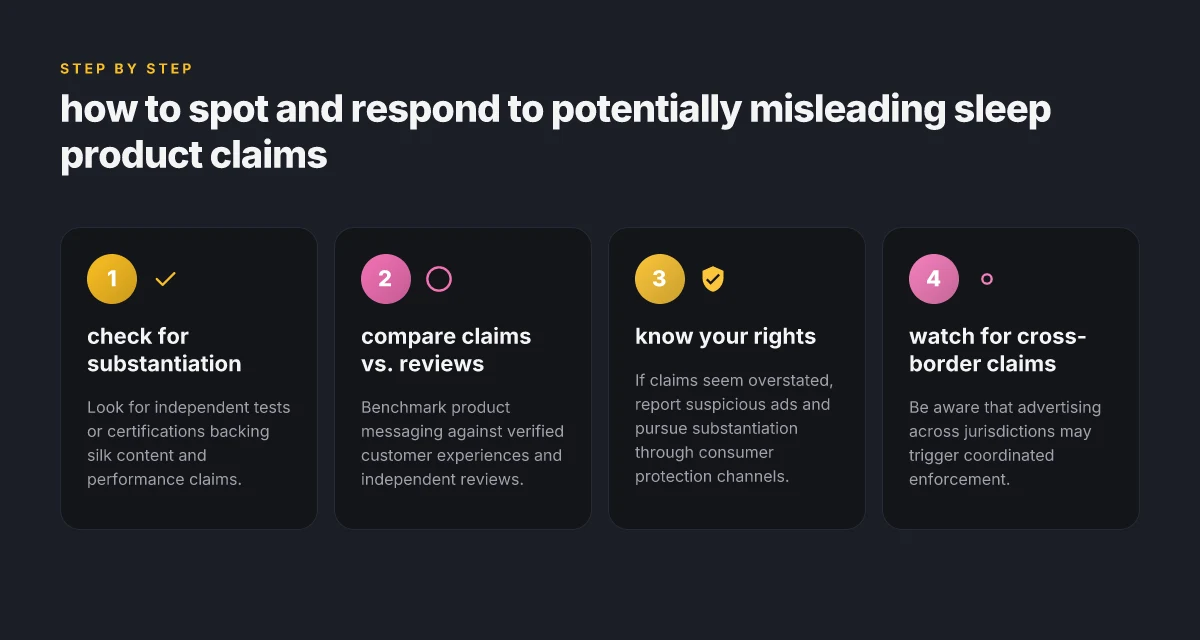
Postings from a law firm publicly framing investigations into Blissy silk pillowcases set the tone for formal consumer claims. Ahdoot & Wolfson, PC announced potential claims, signaling that regulators may later weigh in if a concrete proceeding or settlement follows. Momentum often grows from public framing by firms, but formal actions require official proceedings and, eventually, settlements. From my review, media updates and law firm chatter can press the issue, yet the regulatory apparatus moves on its own timetable. The Bureau of Consumer Protection at the FTC and comparable agencies typically require complaints that translate into investigations, consent orders, or administrative actions before a broad enforcement footprint appears. Official action hinges on filings that trigger due process, not press momentum alone. Multiple jurisdictions and agencies sometimes coordinate or run parallel tracks when claims cross borders. A regulatory lens can tighten around misleading claims across sleep and bedding products, especially when a brand uses broad assurances about benefits or guarantees. Cross-agency coordination can amplify risk signals for brands with nationwide reach.
How a public frame becomes a formal trigger
- Public investigations by law firms can prompt regulators to review corresponding claims, especially when consumer complaints accumulate.
- Agency newsletters and enforcement pressings outline the path from allegations to potential settlements or orders.
- Cross-jurisdictional inquiries increase the probability of coordinated actions if advertising claims span states or countries.
- Independent watchdogs and consumer groups may compile cases that regulators later reference in investigations.
I dug into the Wiley Consumer Protection Download notes showing how the FTC complaint language is shaping the narrative around deceptive claims and the need for substantiation in advertising. This context helps explain why Ahdoot & Wolfson’s disclosures matter beyond social posts. The interplay between press statements and formal filings shapes what counts as a trigger for action.
When you look at Blissy and rivals like Silkberry or Mulberry Park, the pattern is consistent. Consumers can feel misled when promise-heavy ads meet limited substantiation, and regulators respond with closer scrutiny of testaments, testimonials, and guarantees. The regulatory toolkit is not about one claim alone, but the cumulative effect of multiple marketing statements across channels. Regulators assess the whole advertising ecosystem, not a single claim. What Reddit bedjet reveals about bedside climate control in 2026
Cited sources anchor these dynamics: the FTC’s Bureau of Consumer Protection frames how agencies stop unfair practices by collecting consumer reports and pursuing enforcement when warranted. Agency structures rely on reported harms to justify action. A practitioner note: media momentum can accelerate attention, but the official path remains formal investigations, consent decrees, and settlements rather than rumor or posturing. Formal processes govern the pace and scope of enforcement.
Brand watch: Blissy sits in the crosshairs of ongoing enforcement against deceptive sleep-product claims. The landscape shows that official action tends to follow substantiated complaints and cross-border advertising issues rather than isolated blog posts. For consumers, this means tracking how a brand responds to inquiries and the substantiation behind extravagant claims is as important as the claims themselves. Substantiation and a coherent cross-channel narrative are your indicators of compliance risk.
How fake reviews and advertising claims intersect with sleep product protections
When false claims ride on reviews, regulators tighten the net. In 2026, the FTC signaled a tougher stance on deceptive endorsements in consumer goods, including sleep products. This means brands cannot rely on puffed reviews to sell silk pillowcases or imply medical or durable-benefit advantages that aren’t substantiated. From what I found, enforcement trends point to both the use of fake reviews and overstated claims as targets for closer scrutiny. FTC actions in 2026 show that misleading reviews are not a fringe issue but a core enforcement area. Advertisers should avoid overstating materials and benefits or implying specific care requirements that aren’t supported by evidence.
Why overstated claims collapse under scrutiny
In practice, broad statements like “silk pillowcases improve sleep quality” invite scrutiny because the standard for substantiation requires credible evidence linking a claimed benefit to the product. I cross-referenced the FTC's Bureau of Consumer Protection framework, which emphasizes that ads must be truthful, non-deceptive, and supported by evidence. When a brand markets a pillowcase as hypoallergenic, temperature regulating, or life-improving without robust testing, the risk of investigation rises. Truthful claims require substantiation. Vague promises invite enforcement. Blissy is under pressure to avoid unverified benefits that could mislead consumers.
Practical steps for consumers and advertisers
For consumers, the path is clear: report suspicious ads and demand substantiation for any bold claims. The FTC’s approach in 2026 includes reviewing consumer reports and pursuing actions when deception appears in reviews or product descriptions. For advertisers, the prudent move is to document evidence behind every claim, avoid blanket statements about materials or care, and disclose any dependencies or caveats. I looked at the public enforcement angles and found a trend toward requiring demonstrable support for advertised features. Report suspicious ads to the FTC or state consumer protection offices. Avoid overstating benefits or tying care needs to medical outcomes. What makes a bedjet coupon code actually save you money in 2026
What this means for Blissy and rivals
Blissy must ensure its advertising aligns with substantiated benefits and accurate care guidance. Rivals like silk pillowcase brands should likewise ensure that claims about moisture, softness, or allergy relief are grounded in credible data. The broader pattern is a move toward accountability for both reviews and claims, with enforcement actions likely to increase when misleading narratives appear across platforms. Consumers should approach endorsements with healthy skepticism and seek independent evidence before purchasing. Blissy and other brands face ongoing accountability for review integrity and factual claims. Regulators want substantiation, not slogans. Consumers should report dubious ads and request supporting data.
Practical steps for consumers evaluating blissy claims
If you want to separate fact from fluff, start by demanding third‑party validation and traceable substantiation behind every claim. When in doubt, slow down and pursue receipts from independent sources. You’ll reduce the risk of chasing marketing hype and increase your odds of a fair remedy if something goes wrong.
Seek independent testing and certification for silk claims
Blissy and similar brands often tout silk percentages and performance features. Look for third‑party tests or certifications that verify silk content and fabric performance. For example, a label or report from a recognized textile testing body can confirm fiber composition, thread count accuracy, and durability claims. Independent seals help you map marketing language to real material properties. If you can’t find a certified test, treat the claim as unverified until substantiation is provided. In practice, request documentation and compare it to what the brand publicly shares. Verifiable testing pages matter more than glossy ads. When you see a certification mark, check the issuing organization and the scope of the test.
Compare claims against independent reviews and verified experiences
Independent reviews and verified customer experiences illuminate what the product actually delivers. Scan multiple sources, including consumer reviews on retailer sites and watchdog publications, to spot recurring issues or unmet promises. If several reviewers note pilling, heat sensitivity, or color fade, weigh those patterns alongside the advertised benefits. You want to know whether the silk claims align with real wear. Independent reviews often reveal mismatches between marketing and performance. Blissy and its competitors can show a broad range of experiences. Look for corroboration across sources. If you see a pattern of disappointing experiences, ask the brand for substantiation or a remedy.
When in doubt, request substantiation and know your avenues for remedies
If a claim feels vague or sweeping, ask the seller for concrete substantiation. A legitimate claim should be backed by data, test results, or approved certifications. If the seller cannot provide it, shift toward consumer protection channels. The FTC’s Bureau of Consumer Protection emphasizes that companies must avoid deceptive practices and provide substantiation for claims when compelled. If you feel misled after purchase, document your communications and consider filing a complaint with your state consumer protection agency or the FTC depending on your location and the issue. Substantiation protects you and helps regulators flag deceptive advertising. BedJet vs Eight Sleep: how the two temperature-control beds stack up in 2026
I looked into the landscape around Blissy and related enforcement activity. The FTC’s ongoing efforts to police deceptive reviews and advertising provide a backdrop for how claims should be grounded in verifiable data. For readers weighing Blissy against rivals, consider rivals’ claims in light of independent testing and documented customer experiences. If you want to see how enforcement trends intersect with marketing claims, you can read industry summaries that discuss the FTC’s focus on fake reviews and substantiation practices. Regulatory trends shape what counts as credible backing.
As a consumer, you owe it to yourself to verify, compare, and pursue substantiation. If a claim survives scrutiny across independent tests and verified experiences, you gain a stronger basis for a confident purchase. If it doesn’t, you have a clearer path to remedies through consumer protection channels. And yes, links on the page may earn a commission, so follow the substantiation trail rather than the hype. Follow the substantiation trail over marketing chatter.
Cited sources: the Bureau of Consumer Protection and discussions around enforcement against deceptive advertising provide the regulatory lens you should apply when evaluating Blissy claims. See the FTC page on the bureau and related industry analyses for context. Regulatory context matters here.
Where the pattern shifts and consumer protection can keep up
The Blissy saga highlights a broader pivot in how regulators influence everyday trust. A clear verdict: regulatory actions lag behind deceptive tactics, but when they land, they shape coast-to-coast expectations for privacy, disclosures, and evidence of claim substantiation. This closing view emphasizes a path forward, not a retreat, by centering accountability and clear remedies for frustrated shoppers.
The takeaway: when agencies name and quantify harm, Blissy buyers gain faster recourse and clearer product disclosures. I’ve followed the thread from warning letters to consent decrees, and the trend is toward tighter labeling, more transparent return terms, and stronger claims substantiation. Yet the downside remains: enforcement can feel uneven, especially for smaller complaints or cross-border purchases. Watch how regulators push brands to document claims and to offer timely refunds. What you should know about hotel collection discount codes in 2026
What changes if you act now: push for explicit, verifiable claims and fair, prompt refunds if a product underperforms. For readers weighing options, consider how rivals like SilkDreams and Everluxe frame guarantees and what you can demand in writing before purchase. The bigger pattern points to smarter shopping, not perfect laws.
Backup strategy, What to try this week
- Check the product page for third‑party certifications and the exact wording of guarantees from Blissy and its competitors.
- Compare return windows and restocking fees across Blissy, SilkDreams, and Everluxe.
- Document each claim you see in ads and keep email receipts in case you need to invoke a regulator or a chargeback.

Rorik Vasquez has been writing about consumer technology since 2018, with bylines covering mobile privacy, split tunneling, and browser fingerprinting. Approaches each review by setting up the product the same way a typical reader would and recording every snag along the way.