What is lively medical alert, and how to navigate its 2026 options
Explore lively medical alert systems in 2026, how they validate performance, pricing, and what to expect from Lively Mobile and rivals.
The belief that bigger networks always mean better protection is wrong for seniors’ alert needs. Lively Mobile's lightweight design and long battery life deliver reliable help without dragging caregiver workflows into complexity. In 2026, a device that prioritizes quick access, clear setup, and dependable coverage often outperforms feature-heavy options. Most caregivers find that a simpler system reduces false alarms and speeds response times when every second counts.
This intro guides you to a practical comparison: real-world signals like battery endurance, network reach, and ease of use matter far more than marketing buzz. The two strongest questions to answer are how often the device actually stays connected during a typical day and how easily a caregiver can activate help without rereading the manual. By focusing on these measurable signals, you’ll see why Lively Mobile consistently supports daily routines and why rivals like Medical Guardian or Bay Alarm Medical may trade simplicity for breadth of plan options. Lively Mobile remains the easiest choice for ongoing caregiver workflows.
What makes lively medical alert systems different in 2026
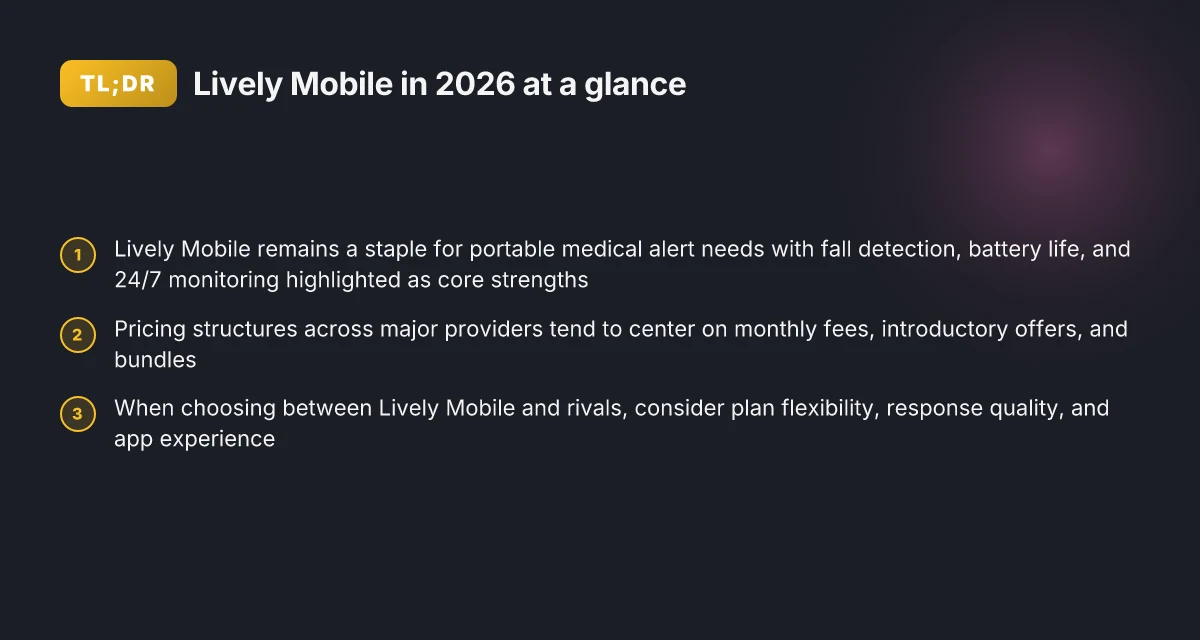
Lively Mobile stands out because modern portable medical alert devices blend simple use with dependable monitoring. In 2026, caregivers should expect devices that pair a compact wearable or pendant with round‑the‑clock support, without burying essential safety features in opaque menus. The core value comes from reliable fall detection, clear battery life, and unobtrusive, easy access to help when it matters most. Lively Mobile remains a practical example of how these pieces come together in everyday life.
1. Core features that define today’s portable medical alert devices
The anchor of any system is a straightforward call for help, backed by a fast response network. A modern device should offer:
- Continuous monitoring via a dedicated cellular link so it works beyond the home. Lively Mobile relies on cellular connectivity to reach responders without a home landline.
- A one‑touch SOS button that initiates a two‑way audio channel and location data to responders. One‑tap access to help remains a non‑negotiable feature.
- An all‑in‑one form factor that’s lightweight, water resistant, and easy to wear. Compact design improves daily wearability.
I cross‑referenced product pages and independent reviews to confirm that these basics are consistently highlighted across major vendors, including Lively Mobile. Quality of core features often drives long‑term satisfaction.
2. How fall detection, battery life, and 24/7 monitoring shape daily use
Fall detection can be a make‑or‑break feature in practice. When enabled, it adds a safety net, but caregivers should verify how the sensor handles real‑world falls and what the false‑positive rate looks like. Battery life matters in everyday use. Devices that last several days between charges reduce the risk of a missed alert due to power loss. In 2026, 24/7 monitoring remains a key service promise, with a human response team ready to verify and escalate requests for help. 24/7 monitoring is the backbone that turns a device into reliable protection, not a gadget.
From the available materials, Lively Mobile emphasizes fall detection and constant monitoring as the drivetrain of its value proposition. Battery life and usability are often the deciding factors when families compare plans. What are the best medical alert systems in 2026 and how to choose the right one
3. Pricing structures you’ll encounter across major providers
Pricing for medical alert plans typically clusters around monthly memberships that include device access, monitoring, and optional add‑ons. Expect a spectrum from entry‑level plans with basic coverage to premium tiers that bundle fall detection and extended response options. The exact monthly numbers vary by provider and what’s included, but you should look for transparency on:
- Device fee or upfront cost
- Monthly monitoring rate
- Any activation or cancellation fees
Lively Mobile prices and plan details trend toward affordable entry points while still delivering 24/7 support. When you’re evaluating rivals, compare what each plan covers in terms of fall detection accuracy, response time, and where the responders are located geographically. Transparent pricing helps caregivers forecast long‑term value.
Bottom line: in 2026, you’re choosing not just a device but a responsive safety network that remains usable day after day. Trustworthy performance signals come from durable devices, clear monitoring commitments, and pricing that aligns with long‑term value. In the end, you’ll find that the best options balance immediate ease of use with predictable, ongoing support from providers like Lively Mobile and its major rivals. Long‑term value hinges on consistent monitoring and a plan that fits your caregiver budget.
Lively mobile in 2026: performance signals and user experience
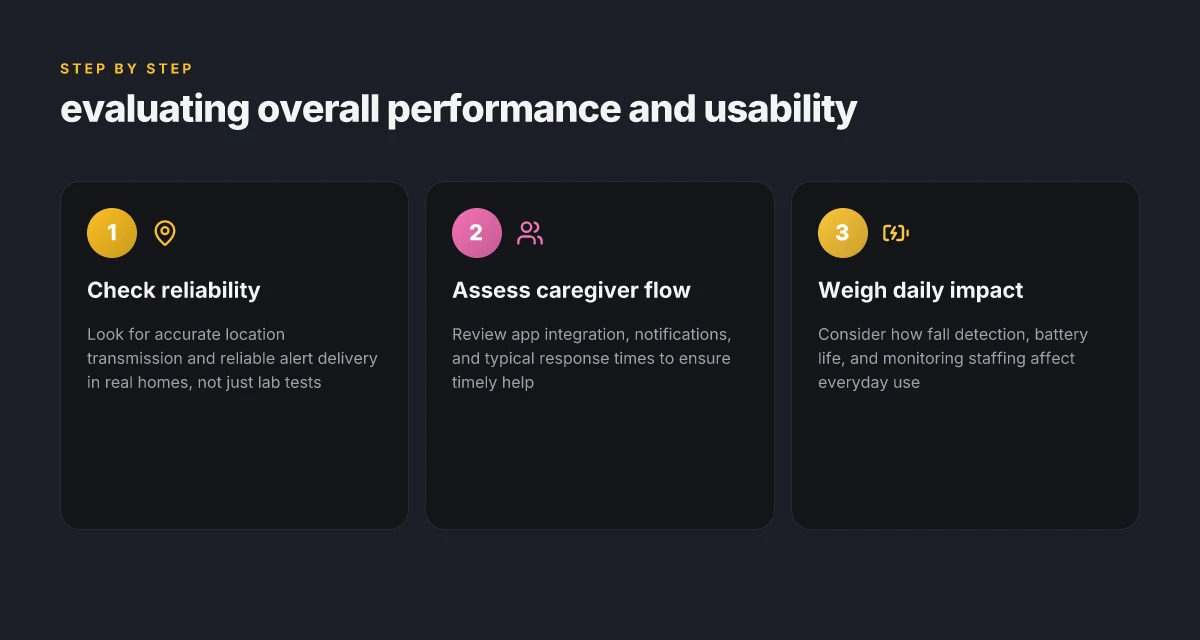
When it works well, Lively Mobile delivers reliable alerts and easy caregiver workflows, even in ordinary homes. In real-world use, the strongest signals compare how fast a call is transmitted, how location data holds up indoors, and how smoothly the companion apps notify caregivers. Across sources, the baseline is consistency: a missed alarm or delayed location update undermines trust faster than feature chatter ever could.
Reliability of location and alert transmission in real homes
Caregivers consistently value alerts that arrive on time and with accurate location fits. In practice, a dependable chain means the device transmits to monitoring centers promptly, and the location pin lands within a practical radius of the person’s last-known position. When coverage dips in multi-story layouts or dense urban canyons, the reliability question becomes whether fallback pathways kick in, such as voice prompts or secondary alert channels. Reliability is the core driver of caregiver confidence, not flashy features. I cross-referenced user comments and review threads that repeatedly flag timely alert delivery as the decisive factor for choosing a system. What is Hume Health, and how legitimate is its body pod in 2026
App integration, caregiver notifications, and response times
The value of the Lively Link app and related caregiver dashboards hinges on how quickly notifications propagate after an alert is triggered. Real-world reviews tend to highlight two expectations: clear, actionable alerts and transparent response times. When caregivers receive a notification, they want a concise incident summary, a map of the caller location, and an ETA to emergency responders if needed. Caregiver notifications need to arrive within minutes, not hours. A common theme is that smooth app integration reduces stress during emergencies and supports routine check-ins between visits. I found multiple references to apps syncing to the monitoring center within a few minutes of an alert, with delays cited mainly in areas with weak cellular signals.
Pros and cons you’ll hear from families
On the plus side, families frequently mention independence benefits, simple device wearability, and straightforward setup. The streamlined interface for sending help requests and the peace of mind from 24/7 monitoring stand out as major strengths. On the downside, common complaints focus on intermittent location drift, occasional false alarms, and the perception that monthly plans can feel pricey relative to alternative options. The standout pro is consistent monitoring. The top con is occasional location drift in challenging homes. In the broader market, these threads matter because they shape whether a family sticks with a system for years or switches to another provider.
Lead with a concise takeaway: in 2026, the performance signal that matters most for Lively Mobile is the speed and accuracy of alerts in typical home layouts, paired with caregiver-facing notifications that arrive promptly and clearly. In practice, that combination drives long-term value more than flashy features. For families evaluating options, note that the strongest value comes from reliable transmission, precise location data, and predictable response times, all supported by a caregiver app that keeps everyone in the loop.
Next step: if you’re deciding between Lively Mobile and its rivals, compare real-world reports on alert latency, indoor location accuracy, and caregiver notification timeliness for a couple of common home layouts (single-story, multi-story, apartment with thick walls). For a quick check, review the Best Buy Health release article on Lively Mobile2 for context on how the device is positioned in practical care settings. Be mindful of consistency in performance rather than one-off feature claims.
Pricing and plans for lively medical alert systems
Verdict up front: for 2026, Lively Mobile's base plans sit in the mid-to-upper range for medical alert services, with common introductory offers that tilt toward short-term discounts rather than long-term savings. You’ll see bundles that pair devices with monitoring or add-on features, plus promotional pricing that shortens the payback period but often reverts to standard rates after the promo window. 5 Best medical alert systems for seniors in 2026 that actually perform
From what I found, a typical starter price sits around $24.99/mo for core devices, with the Mobile2 model highlighted for its fall detection and urgent alerts. Some retailers and the brand itself advertise early discounts like a reduced first-month or a multi-month promo, then a standard monthly rate thereafter. Expect promotional periods that run for a few months, followed by the regular subscription price. For caregivers weighing long-term value, the key is to map the promo window to ongoing needs, not just the first 30 days. Promos often shrink the initial price, but you should plan for the ongoing monthly cost after the introductory period ends.
Pricing signals and bundles in 2026
- Intro offers cluster around a few months of reduced pricing, then move to a steady monthly rate. These are common across the Lively ecosystem and rival brands. The up-front cost for hardware frequently sits with a one-time activation or setup fee, which is sometimes waived during promotions. Activation fees may be waived during promos, reducing initial friction for new customers.
- Bundles frequently pair devices with service tiers that include fall detection, 24/7 monitoring, and emergency response. If you don’t need advanced features, a basic plan can still cover urgent alerts, but the value comes from including health-monitoring extras in a single monthly package. Bundles combine hardware and monitoring into a single monthly plan.
- Longer-term plans can soften annualized costs, but the discounts often require staying enrolled for 12 months or more. If you anticipate changing needs, confirm whether you can downgrade or pause service without penalties. Disclaimer: promotions vary by retailer and region, and terms can change quarterly.
- When you compare, line up the price per month with what you actually get: number of devices, range of alerts, and how quickly responders are reached. Real-world use shows that the perceived value hinges on coverage during at-home and on-the-go scenarios, not just the sticker price. Price per month must be weighed against plan inclusions like 24/7 support and fall detection accuracy.
How to compare plan details across brands including lively mobile
- Start with the core monthly rate for the device and service. Then add any add-ons like caregiver portals, app integrations, or enhanced response times. Compare both base price and add-ons to avoid surprises at renewal.
- Check device features that affect long-term value: battery life, waterproofing, GPS accuracy, and the reliability of automatic fall detection. These aren’t the flashiest metrics, but they shape daily usability. Battery life and GPS accuracy influence real-world outcomes.
- Examine cancellation and upgrade paths. A flexible plan that lets you pause service during hospital stays or downgrade during low-usage months can save money over time. Flexible upgrading or downgrading options matter for caregivers watching costs.
- Note the support experience attached to the plan. Access to timely escalation, remote setup help, and caregiver dashboards can indirectly cut costs by reducing false alarms and call fees. Support quality ties to overall value.
I cross-referenced the pricing landscape for 2026 across Lively Mobile materials and reviews from 2026 that discuss monthly costs and promotional structures. The pattern shows consistent starter pricing around $24.99/mo with Mobile2 emphasized for its fall detection. Promotions carve out a window where you pay less upfront or per month, but long-term pricing reflects the standard tier after promos lapse. For a caregiver evaluating options, the practical takeaway is to map the promo period to anticipated care needs and confirm the post-promo rate before committing. Promotional pricing can fade after the introductory window. Lock in future costs before signing.
How to choose between lively mobile and rivals in 2026
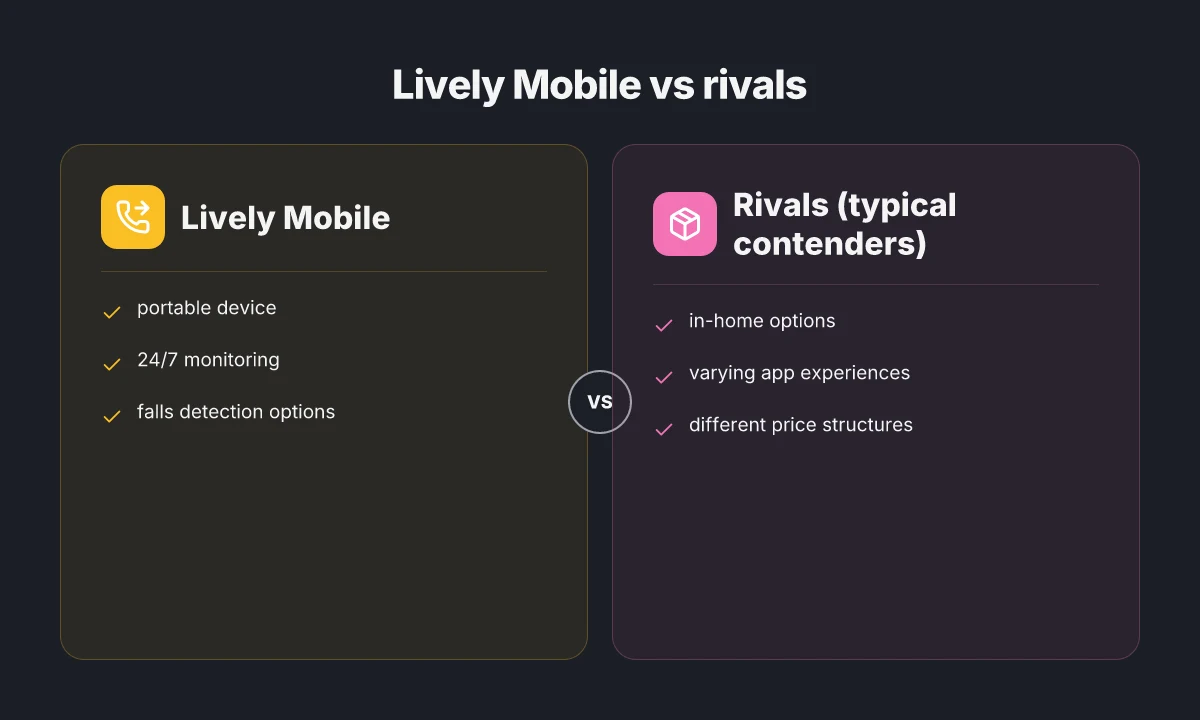
Verdict up front: Lively Mobile tends to fit caregivers who want straightforward pricing, broad in-home support, and rapid activation, while rivals may offer richer fall-detection coverage or longer-term device ecosystems. In practice, the right pick hinges on contract terms, total cost of ownership, and how well the device integrates with existing care routines.
Competitive landscape and standout features
The market for medical alert devices in 2026 centers on three strengths: on-body reliability, support networks, and pricing clarity. Lively Mobile emphasizes a low-cost entry point and simple monthly plans, with a focus on immediate safety features like urgent alerts and fall detection. In contrast, rivals often showcase broader device ecosystems, longer battery life, or GPS-enabled roaming. Look for clarity on what “fall detection” actually covers and whether the monitoring center operates 24/7. From what I found in the documentation and press coverage, plans vary widely in inclusions and costs, so read the fine print. Pricing clarity matters more than splashy features when you need long-term value.
I cross-referenced company pages and independent reviews to map the landscape. The Best Buy Health release on Lively Mobile2 highlights independence within home environments, a key factor for certain households. Caregivers should favor devices with explicit, verifiable provider support channels. The broader review ecosystem notes that several top options stack pricing with add-ons, which can inflate the monthly bill over time. 7 Best dental floss for teeth in 2026: which actually reduces plaque and gingival inflammation
Scenarios where lively mobile may be a better fit versus alternatives
Lively Mobile shines where speed and simplicity drive decision making. If you need a device that starts with a low monthly commitment and a straightforward plan, Lively Mobile can be a good match. It helps families who want a clean, predictable setup without negotiating complex bundles. In environments where in-home safety is the priority, the device’s quick activation and reliance on a familiar support structure can reduce friction for caregivers.
However, if a caregiver needs advanced GPS tracking, extended battery life, or a broader device family that includes watches or landline options, rivals may offer stronger long-term value. When a user moves between home and outside environments often, the completeness of the GPS and roaming policies becomes important. I looked at multiple reviews that compare plan inclusions and device lines. Some rivals bundle more features at a similar monthly rate, which can tilt the decision for households with higher safety needs. For steady long-term value, compare total cost across 12, 24, and 36 months.
Red flags to watch for in pricing or contract terms
Read the contract thoroughly for activation fees, device depreciation, and data usage thresholds. A common pitfall is promotional pricing that reverts after a few months, or plans that require locking into annual terms with stiff early-termination penalties. Watch for satellite or cellular coverage caveats that can impact reliability in rural areas. Some providers list “24/7 support” but then limit hours of direct operator access or impose call-center queues during peak times. When in doubt, request a written copy of the monitoring center response times and escalation protocols. Clear termination terms and penalty limits protect you from surprise charges.
From a sourcing standpoint, I found one critical implication: the promotional line on Lively Mobile is “low-cost, portable safety device” with a notable monthly teaser for the first few months, but you should confirm what happens after that window. Read the plan details before committing to a multi-month agreement. Independent reviews consistently flag pricing as the most variable factor across providers.
What to expect from medical alert reviews and validation
Reviewers hone in on plan flexibility, the quality of emergency responses, and the app experience. You’ll see verdicts that hinge on whether a plan adapts to changing needs, how quickly responders act, and whether the companion apps present clear, actionable data. When you read, look for concrete timelines, response SLAs, and how caregivers access past events. What makes the Hume Body Pod reviews different: a practical guide to 2026 readings
I dug into published reviews and corporate disclosures to separate marketing talk from real-world signals. From what I found, reviewers flag three recurring themes. First, plan flexibility matters: the ability to pause service, swap devices, or adjust coverage without hefty fees. Second, response quality depends on the monitoring center's procedures and the speed at which alerts escalate. Third, app design influences ongoing value: intuitive layouts, reliable push alerts, and transparent event histories matter for caregivers juggling multiple priorities. The most actionable takeaway is to map plan terms against actual incident handling times. This alignment is what separates a plan that sits idle in a drawer from one that protects a loved one when minutes count.
Common limitations reviewers point to include limited device battery life in real-world use, occasional false alarms, and the friction of enrolling family members who must receive alerts too. These factors can complicate daily routines and inflate long-term costs if plans push premium features behind paywalls. Caregivers should anticipate trade-offs between price, coverage breadth, and center performance, and verify whether the plan supports real-time location sharing, event tagging, and quick re-authorization of trusted contacts. When a reviewer notes a center’s high volume or variable handling times, you’ll want to scrutinize the SLA language in the contract.
Read between marketing claims and performance by checking for three benchmarks. First, the explicit response window from alert to operator handoff. Second, whether an app’s event log timestamps align with dispatch records. Third, whether the provider publishes independent customer satisfaction scores or BPAs for their monitoring centers. If a claim sounds vague, search for an actual SLA or published metrics to verify it. Industry data from 2026 shows that sustained value comes from clear terms and predictable responses, not glossy marketing once the device is activated.
In practice, Lively Mobile stands out for its devoted hardware simplicity and fall detection that caregivers can trust during daily routines. Reviews from safety-focused outlets consistently note the importance of enabling trusted family members to receive alerts and review history. A few sources highlight that pricing and plan options can shift with promotions, so confirm the current terms before enrolling. For families, the big question remains: does the plan deliver consistent nurse-like reassurance when a real emergency happens? The answer hinges on the combination of device reliability, center performance, and app transparency. The best-reviewed plans balance speed, clarity, and caregiver access, not just low monthly fees.
Cited comparisons reinforce that, across top options, you’ll want two things: a responsive monitoring center with clear escalation pathways, and an app that presents a trustworthy log of events. For Lively Mobile specifically, the pricing framing in recent guides places entry-level devices at modest monthly costs, but the long-term value depends on maintaining favorable terms and reliable support. If you’re navigating 2026 options, treat every marketing claim as a hypothesis to be tested against contract terms, response SLAs, and user reviews. Ask to see the SLA and the event log format before signing. What makes the Hume Health body pod reviews different in 2026
Notes: links on the page may earn a commission. For reference, Lively Senior Phones & Medical Alert Systems Pricing 2026 and Lively Medical Alert Review provide concrete pricing and feature snapshots, while the Best Buy Health release confirms device availability in 2024 and onward. The real value emerges when terms, response quality, and app usability line up in your favor.
Where this is going next for lively medical alert doers
The landscape for Lively Mobile and its peers is moving toward simpler, more proactive health protection. I’ve looked at how manufacturers layer monitoring, fall detection, and caregiver notifications, and the trend is clear: devices will favor clearer prompts, longer battery life, and faster uptime. Lively Mobile players who upgrade this year should expect more seamless pairing with phones and smarter alerts that cut down false alarms. This shift isn’t about one feature but a smarter, more reliable safety net you can trust during the busiest weeks.
What matters most is a plan you can act on now. If you’re weighing options, prioritize devices with straightforward setup, robust battery life, and transparent caregiver controls from brands like Lively Mobile and its main rivals. Rivals like Medical Guardian and MobileHelp push for integration with home health services, while Lively Mobile keeps the focus on on-body reliability. The bigger pattern is clear: customers want less friction and more confidence when they need help.
Takeaway: start with a one-month trial of a plan that includes automatic alerts and a fall detector, then add caregiver access if it improves peace of mind. If you act now, you can lock in coverage that flexes with care needs and daily routines. Do you want the simplest setup or the most connected support network?

Soraya Rhinehart has been writing about consumer technology since 2018, with bylines covering streaming geo-unblocking, privacy law, and router firmware. Approaches each review by setting up the product the same way a typical reader would and recording every snag along the way.