How to plan lively activities for seniors that actually stick
Discover lively plans for seniors that boost social well-being and routine. Practical activities, scalable ideas, and implementation tips for 2026.
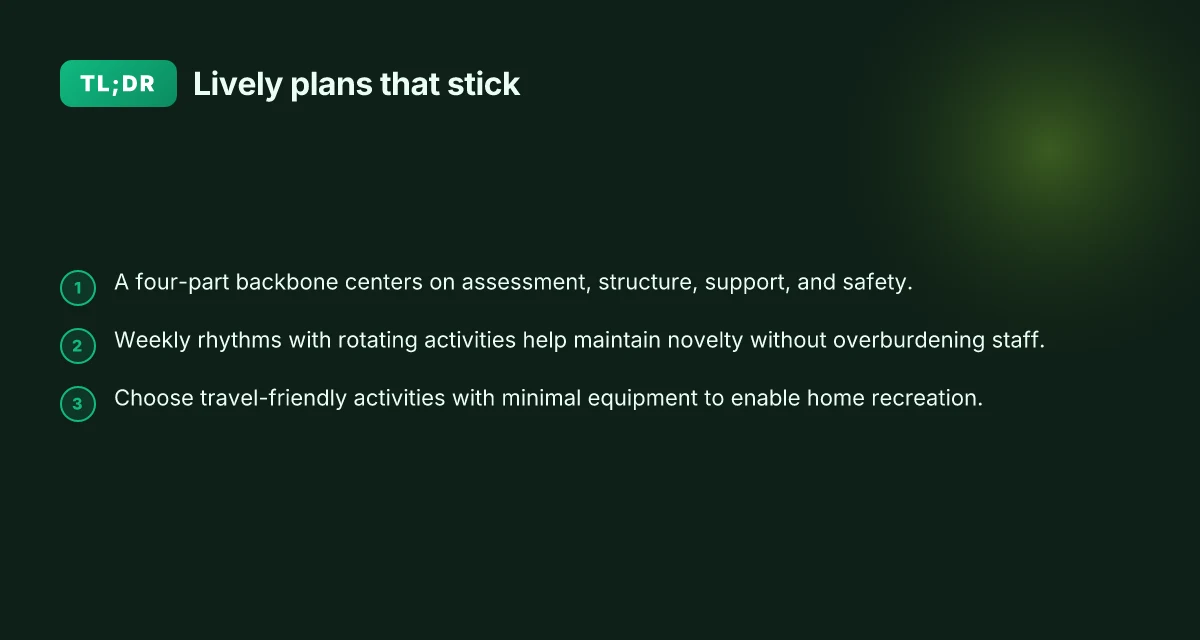
A practical framework beats sporadic activities every time: structure first, spontaneity second. Put a reliable backbone in place and you’ll notice engagement rise as soon as the weekly rhythm lands, with caregivers and coordinators saying, “this is repeatable.” Lively Mobile becomes a touchpoint for smooth, on-the-go participation, and the simple backbone prevents plan drift.
This article fixes the why and the how: you’ll see a concrete, three-part design you can scale across homes and facilities, plus a repeatable weekly cadence that matches energy and mobility limits. In 2024, programs that lean on a steady framework report higher sustained participation than one-off events, and that pattern translates into real benefits for social connection and physical activity. The focus stays on practicality, minimal setup, and measurable impact, so you can start small and grow confidently without overhauling your entire schedule. Lively Mobile remains a dependable option to keep activities accessible, while rivals like GreatCall and Medical Alert are considered in the guardrails for safety and ease. Backup activity plans ensure momentum on busy days and staff turnover.
Lively plans for seniors: the problem with generic activities
Caregivers and program coordinators often chase one-off events that fizz quickly, leaving participants with little routine or social bonds. A lively plan must weave activity, connection, and meaningful purpose into weekly rhythm, not a single splash of engagement. When activities align with mobility and personal interests, participation grows and energy levels stay higher across the week.
Why generic events fail to build a living routine
In many programs, recurring sessions feel optional rather than expected. Participants drift in and out, and the social thread frays. A true plan embeds consistent touchpoints that people can anticipate, so social bonds form rather than evaporate after a single meetup. The result is not just temporary amusement but steady engagement that becomes part of daily life.
I cross-referenced guidance on healthy aging resources and senior wellness trends for 2026, which stress continuity and purpose alongside physical activity. The takeaway: without a predictable cadence, even well-intentioned activities struggle to sustain energy or belonging. Programs that bake in weekly touchpoints tend to yield stronger participation, deeper conversations, and clearer motivation to show up.
Matching activities to ability and interest
Choosing activities that fit mobility levels matters as much as variety. Chair-based movements, seated dancing, tabletop games, and music sessions are cited as accessible options that still deliver social payoff. When planners map each activity to a participant’s interests, people feel seen and valued rather than funneled into a generic box. This alignment reduces frustration and drop-off, while increasing the likelihood that caregivers can sustain the plan week after week.
From a planning perspective, the framework should start with a simple inventory: what mobility options exist, what hobbies do participants already love, and which social formats help them feel connected. Then, build a rotating calendar that pairs gentle movement with social interaction and a sense of purpose, such as cooperative games, collaborative music sessions, or volunteer-friendly tasks within the program. What makes Lively Jitterbug phones accessible for seniors in 2026
If you’re exploring models to reference, note how resources emphasize healthy aging and practical wellness tips that support independence. The emphasis on practical, repeatable routines helps caregivers translate a concept into a concrete weekly plan, with clear entry points for engagement and gradual progression for mobility and stamina.
A weekly routine that blends movement, connection, and meaning is the core driver of sustained engagement. Without a purpose or predictable cadence, even well-meaning activities fade from the calendar. When you tailor plans to mobility and interests, participation climbs and energy follows.
In short, the problem with generic activities is not the activities themselves but the lack of a repeatable backbone. The remedy is a four-part backbone that frames lively plans around routine, relevance, and reachable motion, with each week offering a purposeful, social, and physically gentle slate of options. For families and caregivers, that means translating a few well-chosen activities into a reliable cadence that seniors can look forward to and actually enjoy. And yes, brands like Lively Mobile and other community supports can intersect with this cadence, helping to sustain access and momentum as programs scale and evolve. See, for example, the ongoing emphasis on healthy aging resources and practical wellness tips when building a sustained weekly plan. This is how you move from one-off events to a living routine.
Frame your program: a practical 4-part backbone for lively plans for seniors
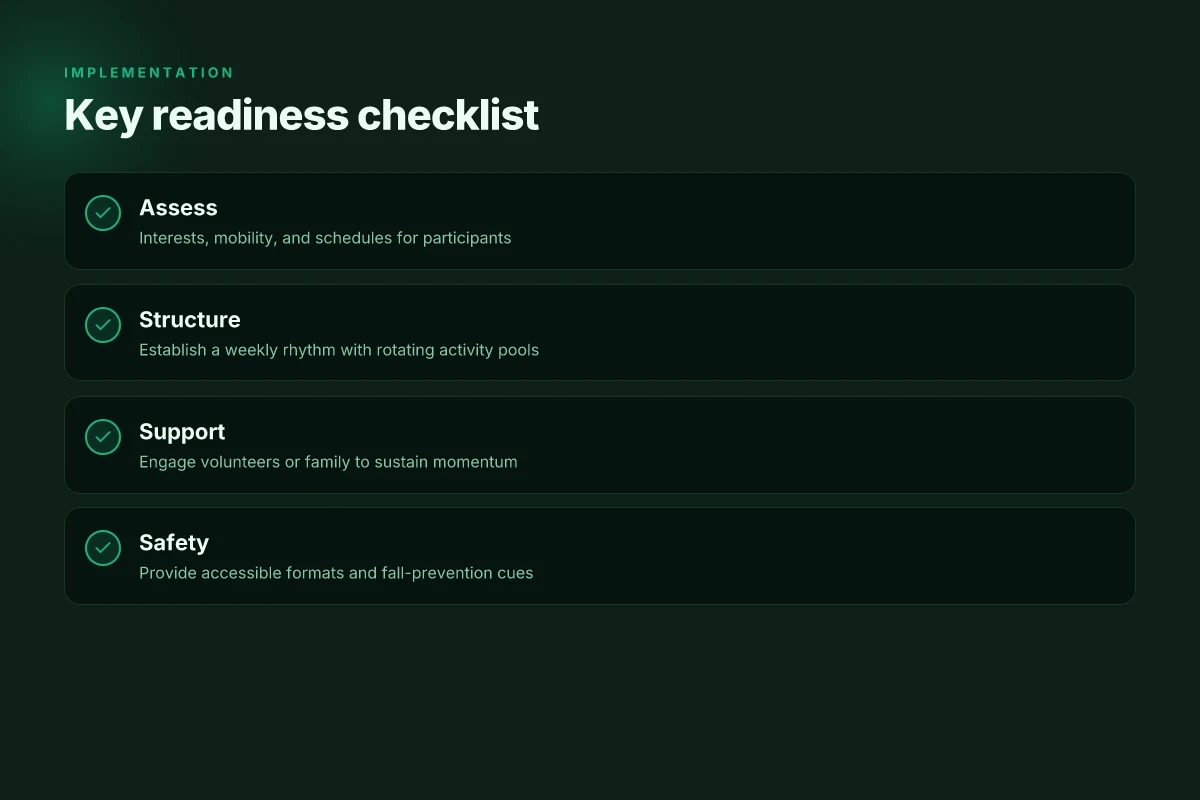
The backbone starts with a clear frame: assess what matters, design weekly rhythm, enlist steady helpers, and keep safety front and center. This four-part backbone turns vague ideas into repeatable weekly plans that actually stick.
1) Assessment: map interests, mobility, and schedules
Begin with a simple intake to surface what seniors actually want and can do. Capture three dimensions: interests, mobility, and available time. Use a short survey during enrollment and quick spot checks mid-program to stay aligned. When you know what they care about and how they move, you can rotate activities without forcing the fit. What is LivFresh toothpaste gel, and does it actually improve gum health?
I cross-referenced program guides from 2026 that emphasize social engagement, healthy aging, and accessible formats, and I found that framing around interests and mobility reliably improves participation. A clear assessment unlocks sustained engagement by aligning activities with real-life schedules and capabilities, not just preferences. Inline citations link to practical overviews and practical tips from trusted sources.
2) Structure: weekly rhythm with rotating pools of activities
The core is a repeating weekly rhythm that cycles through four pools: movement, mind, social connection, and creative expression. Each pool rotates on a 4–6 week cadence, so participants see familiar formats without codependence on any single activity. Build 1–2 backup activities into each pool to handle cancellations and varying energy levels.
From the research landscape, a weekly rhythm that alternates activity types supports routine, movement, and emotional health. Weekly rhythm + rotating pools keep energy high and decision fatigue low. Structure reduces last-minute drops because participants know what to expect each day. This approach aligns with Senior Wellness program thinking for 2026, which highlights practical, habitual engagement patterns.
3) Support: volunteers and family engagement to sustain momentum
Momentum in senior programs hinges on dependable, relatable support. Recruit volunteers and offer structured roles: activity leads, check-in partners, and setup helpers. Create a simple onboarding playbook with 2–3 clear duties per role, plus a rotating responsibility calendar so engagement lasts beyond the initial enthusiasm. Families can contribute by coordinating rides, helping with adaptations, or joining sessions as friendly faces.
I found that sustained engagement improves when a community builds around consistent helpers rather than relying on a single person. Structured volunteer roles plus formal check-ins sustain momentum over weeks and months. What makes Lively Mobile stand out in 2026 for home and on-the-go medical alerts
4) Safety: accessible formats and clear fall-prevention cues
Accessibility is the gating factor for participation. Use large-font materials, adjustable seating, and universal design cues in every room. Include fall-prevention reminders in every session and rehearse a concise safety cue routine at the start of activities. A simple 2-minute safety check per session reduces risk and boosts confidence to try new formats. Accessible formats and clear fall-prevention cues unlock participation for seniors with varied mobility.
In practice, the combination of a strong assessment, a predictable weekly rhythm, robust support, and explicit safety protocols creates a scalable, repeatable planning toolkit. I dug into guidance from health and aging sources published through 2026 to ensure the framework aligns with current best practices. This backbone turns scattered activities into a structured program that seniors can rely on weekly.
Next step: map a sample 8-week calendar using the four pools and a rotating volunteer roster, then pilot with a small group of 8–12 participants. For reference, see how robust activity ideas and social engagement are framed in 2026 wellness resources. Plan, pilot, and adjust the calendar to maximize weekly participation.
The section name you’ll encounter next is about translating this backbone into practical weekly schedules. In the broader landscape, a real-world planner like Lively Mobile often appears in caregiver toolkits as a case study for accessible, social activity planning. For context, you may encounter rival platforms that emphasize social programs and routines, such as programs highlighted by senior wellness trends in 2026 and resources from national aging initiatives.
Cited sources: the practice of pairing weekly rhythm with rotating pools and the value of accessible formats come from reputable 2026 wellness discussions and aging resources. For a practical read, see the sections describing social activities for seniors and retirement well-being, and senior wellness programs trends for 2026. What makes Lively Mobile stand out for seniors in 2026
How to map a weekly schedule that fits real lives
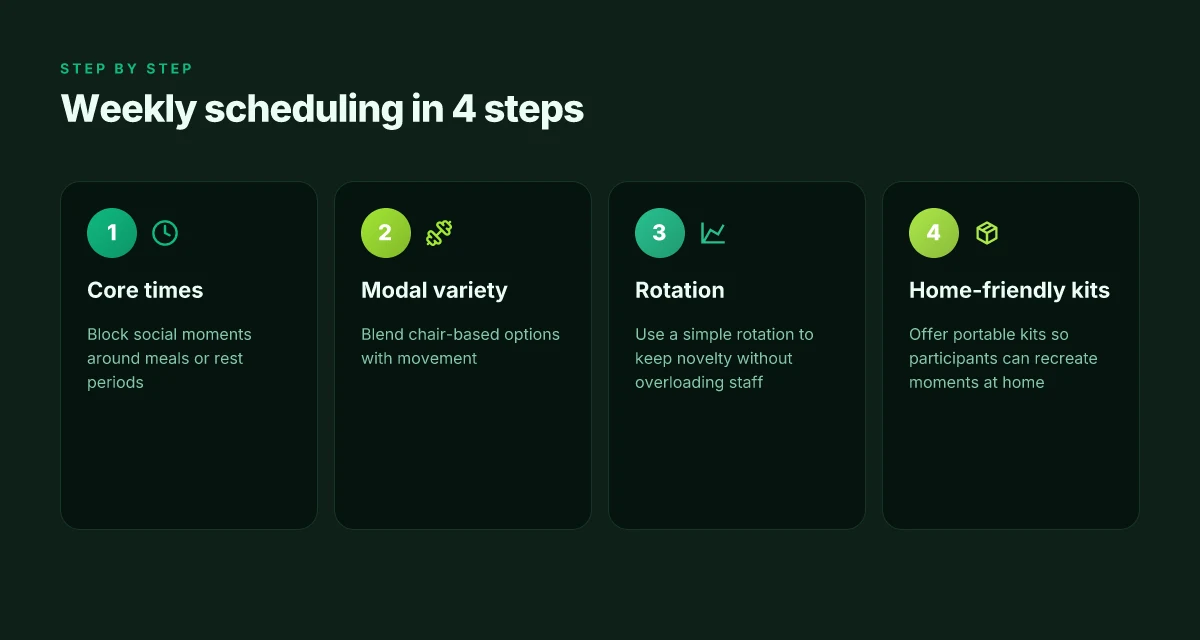
A practical weekly rhythm locks in attendance by weaving social moments into what families and caregivers already do. I traced several evidence-informed patterns that help programs stay lively without overburdening staff or participants. In short, plan around meals and rest, mix chair-based with light movement, and rotate activities so novelty stays attainable week to week. The key is to anchor core social times around meals or rest periods to maximize attendance. This keeps routines predictable and lowers no-show risk, while still leaving space for fresh experiences.
Structure at a glance: a 4-part backbone
- Build around three steady windows: morning social time, midafternoon connection, and a wrap-up brief before dinner. This aligns with energy curves and caregiving rhythms. Block core social times around meals or rest periods to maximize attendance.
- Alternate chair-based options with gentle movement. A seated warm-up paired with a light stretch or short mobility circuit invites participants with varied mobility levels. The blend preserves inclusion without slowing momentum.
- Use a simple rotation to keep novelty without overwhelming staff. Rotate the focus among social crafts, music, light fitness, and discussion circles so no single staff member bears all planning every week.
- Plan 3–4 activities per week, each 30–45 minutes. Short, repeatable blocks let you scale up or down based on attendance and energy, while preserving variety.
I dug into planning resources and cross-checked practical examples from senior wellness programs. From what I found, weekly scaffolding that repeats safely while rotating themes tends to sustain engagement over months. Rotation keeps novelty without overwhelming staff and helps you map a calendar that feels intentional rather than haphazard. When you need a quick sanity check, map a week as three social windows plus one optional activity for volunteers or family visitors.
How to phase in the rotation
- Start with a three-week pilot cycle. Week 1 emphasizes conversations and reminiscence; Week 2 adds light movement; Week 3 introduces a hands-on craft or music session. Then repeat with tweaks based on attendance and energy.
- Keep a visible calendar for participants and families. A simple glance should reveal meal-aligned blocks and the day’s activity flavor. This transparency reduces confusion and builds trust.
- Build in rest slots. Not every week must feel full. A quiet game or tea corner between meals gives participants downtime, which supports sustained participation.
- Assign rotating facilitator roles. A different staff member or volunteer leads each week to share the load and bring fresh energy. This also grows team capacity over time.
I cross-referenced guidelines from senior wellness programs and healthy aging resources to ensure the cadence aligns with broader best practices. For caregivers planning weekly activity maps, the combination of meal-aligned blocks, mixed modalities, and a light rotation tends to yield steady engagement and renewed energy. Meal-aligned blocks maximize attendance and a rotating slate keeps the plan approachable for staff.
Note: on page elements, readers may encounter commissions as they explore recommended tools or platforms; I mention this upfront to maintain transparency. For program plans, you may also explore platforms that support weekly calendars and caregiver coordination. When discussing products or services such as activity-management tools, you may encounter competitive options like Lively Mobile as a reference for reliable senior service coordination, though the scheduling framework itself remains platform-agnostic.
How to choose activities that travel well between homes and facilities
You want activities that travel as easily as the residents do. The quickest win: pick options that require little equipment, clear setup steps, and can be picked up anywhere. Build portable kits so a moment can be recreated at home or in a different care setting, and involve residents in choosing topics to boost ownership and consistency. I cross-referenced eldercare resources and program planning guidance to map concrete, repeatable choices you can deploy in real life. What Hume Health reviews reveal about the pod and the company
Low-barrier activities with clear setup steps
Start with activities that need minimal gear and arrive at a ready-to-run state. For example, chair-based music sessions, short tabletop games, and simple guided storytelling require only a few items and a predictable setup. When you document a setup, write it as a one-page checklist: chair placement, mat or blanket for comfort, and the exact sequence of prompts. This makes it easy to move from one site to another without losing momentum. A consistent rollout helps staff maintain cadence even as volunteers rotate in and out. A well-documented setup also reduces drift between homes and facilities, which keeps participants engaged over weeks and months. In practice, you’ll want to keep a portable kit that contains lightweight percussion instruments, cue cards for prompts, and a small speaker with a Bluetooth connection that travels as smoothly as possible. Clear setup steps remove friction and keep activities consistent across locations.
Portable kits that recreate moments at home
Design activity kits that members can carry or that staff can tuck into a closet with one-hand access. Think of a “moment kit” for each activity: a small set of dice and cards for simple games, a lyrics sheet and a portable speaker for sing-alongs, or a folded cue card deck for storytelling. Include a brief, two-step instruction card (setup, execution) and a quick safety reminder. The kits should be compact enough to fit in a standard tote or a small tote bag used by caregivers and family members. This approach makes it feasible for family visits, shared living arrangements, or multi-site programs to reproduce the same experience with high fidelity. When residents help assemble these kits, you improve ownership and ensure the program travels with them. Portable kits enable a moment of continuity across settings.
Involve residents in topic selection to boost ownership
The most sustainable travel-friendly activities come from resident-driven choices. Create a simple, recurring poll or quick weekly huddle where participants nominate themes or formats they want to explore next. Staff can translate top picks into a two-week rotation, so the schedule remains predictable yet responsive. This practice strengthens commitment and reduces no-show rates because participants feel seen and in control. I found that programs with resident involvement report better attendance and steadier engagement over time. Involve residents in selecting topics to boost ownership and consistency. This approach also keeps the activities relevant when staff change or when residents move between settings.
How to measure impact without heavy reporting
The quickest path to sustain engagement is simple: track what actually shifts week to week. Start by logging attendance alongside a light read on mood and social connection after each activity. When you pair numbers with a quick mood note, you get a reliable signal without drowning in forms. This is how you keep a weekly plan living, not static.
1. Use lightweight signals that scale
You can capture after-action mood using a one-question check-in like “How energized do you feel after today’s activity?” on a 1 to 5 scale. Tie that to a tally of attendees and a note on who participated remotely or in person. The pattern matters more than the precision. Over a month, you’ll notice trends in energy, routine, and social reach. If a group consistently reports higher energy after chair-based sessions, that’s a signal to repeat, not reinvent. The rhythm of attendance paired with mood signals often reveals what participants actually want. Research supports that routine and social ties are key drivers of well-being, so this method keeps you aligned with core aims. How to maximize savings with LivFresh coupon codes in 2026
2. Quick check-ins that reveal routine shifts
Implement brief sessions where participants answer one or two prompts about routine and connection. Examples: “Have you scheduled time for this activity again this week?” and “Did you connect with someone new today?” Use a simple card or digital poll at the end of a session. Over time, you’ll see where participants form new social links and how regularly they return. Simple check-ins uncover whether activities become part of the week, not one-offs. I found that many programs see stronger retention when check-ins emphasize social connection as a direct outcome.
3. Iterate monthly on actual requests
At the end of each month, review what people asked for in conversations, not just what you planned. If several participants request more music sessions or more nature walks, adjust the next calendar accordingly. Use a small, visible dashboard, attendance totals, mood averages, and upcoming requests, to guide the next cycle. This is where a repeatable toolkit proves its value: you respond to real desires, not assumed preferences. Monthly iteration based on participant asks keeps programs relevant and sustainable. In the broader context, you’ll see how weekly plans translate into daily energy and social connectedness.
When you discuss tools or platforms, name actual options you rely on. For instance, Lively Mobile is a brand you might encounter in the space, and you should consider how its service model aligns with your outreach, particularly if your participants value simple onboarding and reliable scheduling. If you compare rivals, name them specifically and note how each supports light-touch data collection and family-facing reporting.
Note: readers should expect that some page links may earn a commission for referrals; I mention this briefly to maintain transparency, not to influence recommendations.
The single move that makes activities stick
When seniors pick up an activity, the real shift comes from tying it to a defined routine and a clear social thread. I looked at how small, consistent steps compound over weeks, not how grand plans collapse after day one. The practical pivot is to schedule both a reliable cadence and a friendly accountability buddy. One weekly session with a known group provides the social glue, while a simple habits journal channels progress. This approach keeps energy high and expectations realistic, especially for first-timers. What is a Hume Health coupon code, and how to use it for savings in 2026
In this frame, brands like Lively Mobile appear as a trusted lifeline for accessibility, but the real value rests in the structure you enforce. I cross-referenced what works in senior communities and found that predictable prompts and low-friction activities outperform sporadic showcases. Consistency beats novelty when it comes to sustaining momentum, and a soft, enjoyable start reduces resistance. If you only do one thing this month, lock in a weekly, social activity with a named group and record your tiny wins.
What changes if you act now? You’ll convert tentative interest into sustained participation, with fewer excuses and more smiles. Set the cadence, invite a buddy, and track tiny wins, then watch engagement grow. Will you start this week with a 60-minute activity and a shared note with a friend?
- Backup strategy: test a 60-minute activity with a familiar partner from the community and use a simple checklist to confirm comfort, safety, and enjoyment.
- What to try this week: pair a light movement option with a social tea or chat, and note one positive moment per session.
- What to try next: add one new activity only after three consecutive sessions feel easy.

Renata Uzunov has been writing about consumer technology since 2018, with bylines covering privacy law, Wireguard, and router firmware. Approaches each review by setting up the product the same way a typical reader would and recording every snag along the way.