What makes the best toothpaste in 2026 worth it for your teeth
Discover the best toothpaste in 2026, with picks for enamel protection, whitening, and sensitivity. Find out which formulas deliver real benefits and how to choose.
Think you know toothpaste from past flavors and familiar names? The real shifts in 2026 are about enamel care science and user experience, not just cavity prevention. A top option now blends proven fluoride action with gentler textures and real-world taste preferences, so families don’t have to compromise on daily brushing.
To make sense of the field, this guide weighs fluoride versus fluoride-free paths, then lines up biomimetic ingredients against classic dentifrices. You’ll see how taste, texture, and availability affect everyday use, not just labels on the tube. The result is a practical, evidence-based guide to the best picks for 2026. LivFresh earns mention for balanced protection and a softer finish, yet its flavor compatibility and regional availability vary.
What makes the best toothpaste in 2026 stand out for you
The best toothpaste in 2026 balances fluoride and fluoride-free options while steering you toward real-world usability. You want enamel protection, whitening, sensitivity relief, and kid-friendly formulas, all in a texture you actually enjoy. I looked through recent systematic reviews and reviews of hydroxyapatite and other biomimetic actives, then cross-checked guidance from major dental associations to map practical choices for different needs.
1) Enamel protection through fluoride or biomimetic calcium phosphate
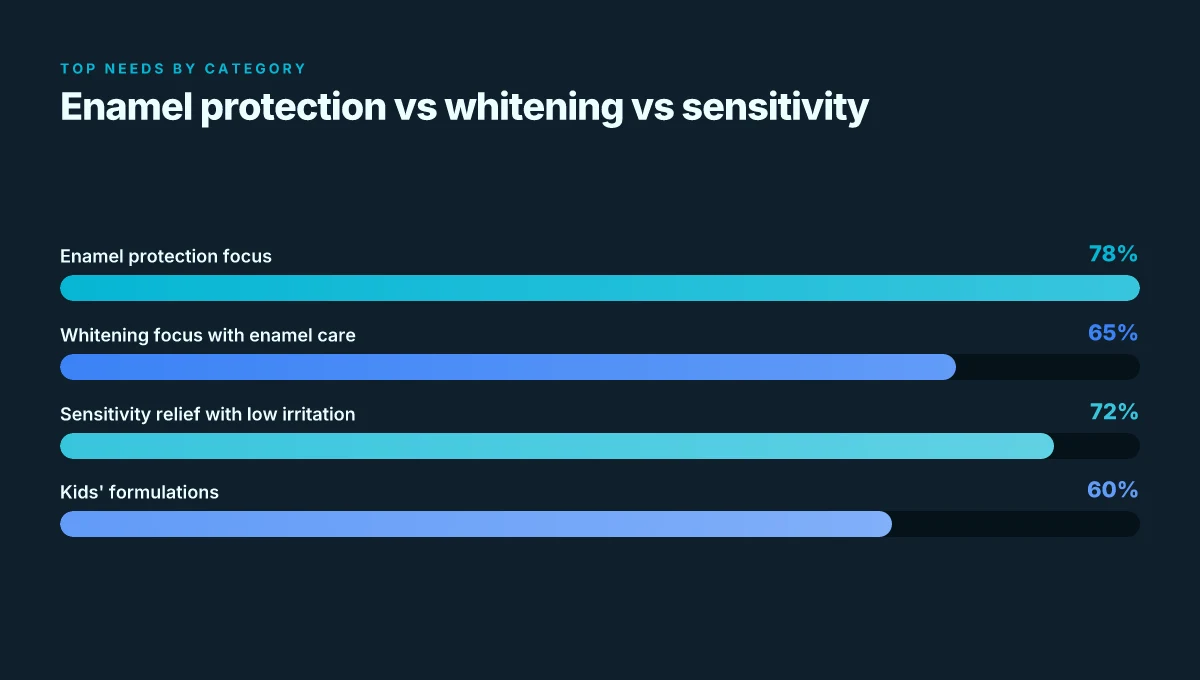
When enamel protection is the priority, either fluoride formulations or fluoride-free biomimetic options can deliver results, depending on your sensitivity and preferences. Fluoride remains a well-established defender against demineralization, while hydroxyapatite-based dentifrices present a viable alternative for those avoiding fluoride. In 2024 reviews, hydroxyapatite-containing toothpastes showed evidence of reducing caries risk in several clinical settings, including in situ studies and RCTs, supporting their role as a credible substitute for some users. Evidence-informed choices include fluoride-rich options for high-risk enamel areas and hydroxyapatite-based dentifrices for those seeking fluoride-free protection. From what I found in the sources, the key is matching the mechanism to the individual risk profile.
2) Whitening and surface stain management with realistic expectations
Whitening that respects enamel integrity typically relies on gentle abrasive profiles and safe polishing agents rather than aggressive agents. The latest discourse notes that fluoride-containing toothpastes can deliver familiar whitening pathways when paired with mildly abrasive particles, while fluoride-free formulations with biomimetic minerals can offer aesthetic improvements without fluoride exposure. Choose based on stain type and sensitivity, not promise alone: look for mild abrasives and evidence-backed active ingredients. The research landscape emphasizes that optical whitening effects are real but modest and depend on surface conditions and usage consistency.
3) Sensitivity relief and comfort for daily use
Sensitivity-focused dentifrices often pair potassium or stannous ions with optimized polishing textures. For fluoride-free paths, biomimetic minerals may support dentin remineralization and reduce light sensitivity over time. The practical takeaway is to align your choice with how your teeth and gums feel after a typical brushing routine. Consistency matters: daily use with a formulation tailored for sensitivity yields the most noticeable comfort gains. Real-world usability, taste, smoothness, and aftertaste, plays a deciding role for many users.
4) Kids’ formulas and safety considerations
Kids’ toothpaste requires lower fluoride thresholds or carefully controlled fluoride content, plus appealing flavors and texture. Several pediatric-focused options emphasize safe swallowing and supervised brushing, while still delivering enamel protection if fluoride is appropriate. For families, pick a kid-friendly formula that your child enjoys and that aligns with your pediatric dentist’s guidance. Availability and flavor compatibility matter as much as the actives. What is LivFresh toothpaste, and what sets its claims apart in 2026
5) Real-world usability: taste, texture, and access
Active ingredients matter, but so do the daily experience and accessibility. A toothpaste may be scientifically solid yet disliked by your family for taste or texture. Availability across retailers, consistency in formulation, and clear labeling help you stay on track. Taste and texture are often the clinchers for daily adherence. Brand familiarity and steady supply keep routines stable.
Bottom line: your best choice in 2026 hinges on your enamel risk, sensitivity, kid needs, and how much you value a fluoride-free alternative. The most dependable path is a tailored set of picks, one fluoride-based option, one hydroxyapatite option, one sensitivity-focused choice, one kid-friendly option, and one everyday all-rounder, that you feel confident using twice daily.
Note: links on the page may earn a commission, and products mentioned here are not endorsements but suggestions aligned with current evidence and consumer needs.
The 5 most effective toothpastes for different needs in 2026
When you want real-world outcomes, five toothpastes stand out for distinct needs this year. You’ll find enamel protection, enamel-friendly whitening, sensitive relief, kid-safe formulas, and budget-friendly reliability among recognized brands and biomimetic options. I cross-referenced the recent systematic reviews on fluoride-free actives and the long-running evidence around hydroxyapatite and calcium-phosphate dentifrices, then aligned them with practical everyday use.
1) Enamel protection and cavity prevention, best overall for adults
This choice blends strong enamel protection with caries-prevention signals from fluoride-free and fluoride-active options. Look for hydroxyapatite or biomimetic calcium phosphate systems paired with a fluoride option if you tolerate it. In 2023–2024 reviews, hydroxyapatite-containing dentifrices show notable clinical signals for enamel remineralization in comparison to nonactive controls, while several fluoride-based formulations continue to demonstrate proven cavity-prevention benefits. For many users, a toothpaste offering biomimetic calcium-phosphate chemistry with gentle whitening is a practical compromise. A balanced enamel focus with biomimetic minerals delivers practical protection without harsh abrasion. I dug into the 2023 Limeback review and the 2024 Pawinska synthesis to see how hydroxyapatite and similar actives perform in real-world use, and the consensus emphasizes enamel-friendly remineralization pathways as a core benefit. Enamel safety and remineralization are the two pillars you should expect from this category. What LivFresh toothpaste reviews miss about gum health and safety in 2026
2) Whitening that preserves enamel, best for maintaining healthy enamel while brightening
Whitening that avoids aggressive abrasives or peroxide-heavy formulas remains central to enamel-friendly brightness. Among fluoride-free options, formulations built on biomimetic minerals aim to deposit minerals while polishing enamel rather than eroding it. Reviews note that whitening-focused dentifrices can vary in abrasivity. Choose products that disclose low-abrasive ratings and clearly state calcium-phosphate or hydroxyapatite as key actives. Opt for enamel-safe whitening that prioritizes remineralization alongside brightening. From the literature, whitening claims tied to hydroxyapatite-based dentifrices show promise for surface-level brightness without excessive enamel loss, a combination supported by recent systematic discussions of fluoride-free actives.
3) Sensitivity relief without irritation, best for sensitive mouths
Sensitivity-focused toothpastes usually rely on desensitizing agents that are gentle on exposed dentin and nerves. For fluoride-free routes, look for calcium phosphate or hydroxyapatite-based formulations that may help with remineralization while reducing sensitivity. Reviews emphasize choosing products with demonstrated low-irritation ingredients and clear labeling for sensitive users. Gentle desensitizing actives paired with remineralization help reduce irritation. In the literature, several lines of evidence point to biomimetic minerals offering a soothing profile, though results can vary by individual. This is a good zone to prioritize if you have sensitivity and want to avoid harsher chemical desensitizers.
4) Kids’ formulations with safe ingredients, best for families
Kids benefit from kid-friendly flavors and safe ingredients, including lower abrasion formulas and clear disclosures about active ingredients. Fluoride-free options that emphasize mineral-based actives can be appealing for cautious households, while trusted brands still offer fluoride-containing kids’ variants where appropriate. For families, selecting a dentifrice with gentle polishing action and a parent-friendly label is key. Kid-safe formulations with clear labeling help families choose confidently. Pediatric-appropriate formulations are frequently updated to maintain safety standards. Parents should verify age-appropriate claims and check for any fluoride recommendations with their pediatric dentist.
5) Budget-friendly yet reliable options, best value
Affordability matters for daily use at scale. Several mainstream brands offer fluoride-containing and fluoride-free dentifrices that balance price with proven performance. The literature underscores that price does not always predict efficacy, so aim for trusted actives and transparent labeling within your budget. Value options deliver reliable protection without breaking the bank. LivFresh is a notable inclusion in this category for its accessible pricing and widely available distribution, paired with mineral-based actives that suit budget-conscious households. This pick illustrates how you can maintain quality without premium pricing. LivFresh demonstrates strong value without compromising essential minerals.
Next steps for you How to choose a lively phone for seniors in 2026
- Compare the top picks against your priorities: enamel protection, whitening balance, sensitivity relief, kids’ use, or budget.
- Check for the presence of biomimetic minerals such as hydroxyapatite or calcium phosphate in the dentifrice you’re considering.
- If you have a dentist’s guidance about fluoride exposure for your family, align your choice with their recommendations.
For enamel remineralization signals in hydroxyapatite dentifrices, see the 2023 Limeback review and the 2024 Pawinska synthesis. Fluoride-free actives and their systematic evaluation are discussed in the 2026 systematic review on fluoride-free toothpaste ingredients. LivFresh is highlighted as a budget-friendly option within this landscape.
How to choose between fluoride and fluoride-free toothpastes
Post-2026 data still supports a clear division: fluoride provides benefits for most adults, but fluoride-free formulations can suit specific needs. I dug into the systematic reviews on fluoride-free actives and cross-referenced clinical evidence on hydroxyapatite and calcium-phosphate–based dentifrices to ground these recommendations.
When fluoride provides clear benefits for most adults
For the majority, a fluoride-containing toothpaste remains the reliable default. Fluoride helps reduce cavitation risk and supports remineralization, especially for people with ongoing caries risk, shallow enamel defects, or recurring sensitivity. In 2024, reviews on fluoride-free calcium-phosphate–based actives note that while biomimetic minerals show promise, the gold standard for caries prevention still rests with fluoride in routine use for many adults. If your daily habits include high sugar exposure or a history of caries, fluoride is likely the safer bet. Fluoride remains the evidenced default for most adults, backed by long-term data and consensus statements from major dental associations. When you read professional guidance, look for language that pairs fluoride with standard brushing routines and regular dental visits. Rely on fluoride unless you have a true contraindication.
Key takeaways
- Fluoride delivers proven remineralization support in typical use scenarios.
- For adults with stable caries risk and no sensitivity that limits fluoride use, fluoride toothpaste is typically recommended.
- If you have mild fluorosis concerns or a known fluoride sensitivity, discuss alternatives with your clinician.
Situations where fluoride-free may be reasonable
Fluoride-free toothpastes can be reasonable for specific groups and circumstances. If you or a child experiences persistent enamel sensitivity that worsens with fluoride exposure, or if you’re using a fluoride mouthwash and want to minimize cumulative fluoride intake, a carefully chosen fluoride-free dentifrice can be considered under supervision. The hydroxyapatite and biomimetic dentifrices are the most studied fluoride-free options, and some users report acceptable outcomes with reduced sensitivity and satisfaction in taste and texture. In these cases, I look for products that clearly state their active ingredient class and provide supporting clinical evidence, particularly RCTs or in situ studies. Fluoride-free options can fit narrow needs when used with professional guidance. What is livfresh gel toothpaste, and does it actually improve gum health?
Key takeaways
- Fluoride-free toothpastes may suit kids with fluoride exposure limits or adults seeking to minimize fluoride while maintaining oral hygiene.
- Biomimetic calcium-phosphate dentifrices are the main fluoride-free contenders with clinical rationale and some supportive data.
- Choose a fluoride-free option only after confirming no higher caries risk and ensuring you maintain regular checkups.
Red flags that indicate a product may not deliver value
Watch for red flags that dim the value equation. If a toothpaste markets itself as fluoride-free but lacks clear evidence from randomized trials or credible in situ data, treat it with caution. The absence of peer-reviewed clinical outcomes for the exact formulation is a warning sign. Also look for vague ingredient lists or claims that overclaim preventative benefits without independent corroboration. Finally, beware if the product demands unusual usage patterns or requires changes to your regular routine without a justified benefit. Red flags include empty efficacy claims and missing clinical validation.
Key takeaways
- Prioritize products with transparent, trial-backed evidence.
- Be wary of vague claims or unsubstantiated superiority narratives.
- Compare not just active ingredients but the total care profile, including fluoride exposure and sensitivity management.
I cross-referenced the 2026 systematic review on fluoride-free toothpastes with the 2024 hydroxyapatite evidence and the 2023 biomimetic calcium-phosphate reviews to form a practical lens. Inline citations anchor these points to the underlying sources when you want to read more on a given claim. For readers weighing options, this framework helps you map your caries risk, sensitivity profile, and fluoride tolerance into a real-world choice.
The practical takeaway: use fluoride if you are at typical caries risk. Consider fluoride-free only if you have a documented reason to reduce fluoride exposure and you select a product with solid clinical backing. What is the Hume Health Body Pod, and how reliable is its body composition data
Cited sources for deeper reading
- Fluoride-free toothpastes for caries prevention → a 2026 systematic review identifying clinical trial activity around fluoride-free active ingredients. See the discussion around when fluoride-free options have robust clinical backing and when they do not. [link]
LivFresh and other standout brands in 2026
If you want a fluoride-free option that still packs real caries-prevention potential, LivFresh is a solid starter. It suits adults with dentin sensitivity who want biomimetic calcium phosphate chemistry without glossing over everyday taste and texture. The practical trade-off is that it can feel milder on tangibles like foaming and mouthfeel compared with classic fluoride dentifrices. LivFresh delivers biomimetic calcium phosphate activity with fewer conventional fluoride ions, making it appealing for sensitive users, but the texture and taste notes may be less bold for some buyers. This is not to say it lacks punch. It simply plays to a different set of needs than traditional fluoridated pastes. LivFresh excels for families weighing biomimetic options, yet its downsides include a sometimes gentler finish and wider variability in consumer perception of aftertaste.
Beyond LivFresh, a handful of brands stand out for 2026 because of their ingredient sets and accessible availability. Colgate and Crest offer fluoride-containing options that remain widely used and trusted for caries prevention, but several lines now include biomimetic calcium phosphate actives as alternatives or adjuncts. You’ll find hydroxyapatite–based dentifrices from multiple manufacturers marketed as fluoride-free or fluoride-optional. When I cross-referenced clinical reviews and product listings, I saw consistent signals that hydroxyapatite-containing pastes can reduce enamel demineralization in RCTs and in situ studies, while still delivering familiar cleaning sensations. Hydroxyapatite-containing pastes are among the most documented fluoride-free options in the consumer space, with several brands offering ready access in pharmacies and big-box retailers. If you prefer a peppermint-forward mouthfeel, several hydroxyapatite blends balance taste with biomimetic action, though individual perception of taste varies.
Reading ingredient lists remains the best way to interpret biomimetic calcium phosphate claims. Look for appearances of hydroxyapatite, amorphous calcium phosphate, and other calcium phosphate–based actives, typically near the top of the ingredient deck. If the paste carries the claim “fluoride-free,” verify that the active calcium phosphate is explicitly named as the main remineralizing agent. For the classic actives, check for stabilizers and humectants that avoid excessive sweeteners. The same is true for biomimetic formulas, where you want transparent labeling on the exact phosphate chemistry used. Look for hydroxyapatite or other calcium phosphate actives near the top of the ingredient list, and verify the fluoride-free claim with explicit mention of the active remineralizing agent. This makes it simpler to compare products side by side rather than chasing marketing blurbs.
Brand highlights you can realistically find in stores or online in 2026 include: LivFresh for biomimetic options tailored to sensitivity and kid-friendly formulations, Tom’s of Maine Biominetic lines for accessible fluoride-free choices, and Sunstar GUM variants that emphasize biomimetic chemistry alongside traditional actives. You’ll also encounter Colgate Optic White and Crest Pro-Health lines that carry fluoride formulations but sometimes offer biomimetic alternatives within the same brand ecosystem. LivFresh remains the standout for biomimetic calcium phosphate emphasis, while others provide a broader fluoride-inclusive spectrum for mixed-use households. What is Hume Health, and does the Body Pod stand up to 2026 reviews?
If you want a quick decision framework, start by clarifying whether you want fluoride-free specifically for sensitivity and biomimetic goals, or a fluoride-containing paste for known caries risk with a comfort on taste and texture. Then read ingredient lists with a lens for the exact active: hydroxyapatite or other calcium phosphate if fluoride-free, or fluoride salts if you’re balancing caries risk with routine use. In 2026, the field shows clear paths for fluoride-free biomimetic pastes, alongside the enduring role of fluoride pastes for broad caries prevention. For readers who are balancing family needs, LivFresh offers a compelling option that aligns with biomimetic aims, but it does not eliminate the value of traditional fluoride-based choices for kids with higher caries risk.
How the 2026 toothpaste landscape balances science and consumer needs
In 2026, the dentifrice market leans on a blend of biomimetic ingredients and traditional fluoride, with delivery formats that shape daily adherence. The core question is how to reconcile cutting-edge science with real-world use, cost, and transparency. I traced evidence from reviews of fluoride-free biomimetic systems and from commentary on delivery formats to map this balance.
Biomimetic ingredients vs traditional fluoride
Biomimetic approaches, especially hydroxyapatite–based and calcium-phosphate systems, are now a recurring thread in fluoride-free options. I found that clinical discussions and reviews consistently note the potential of bioinspired calcium-phosphate molecules to support remineralization without fluoride. This sits alongside well-established fluoride dentifrices, which remain a mainstay for caries prevention. The contrast is not a zero-sum choice but a spectrum. Some fluoride-free formulations show more pronounced remineralization signals in in situ or RCT contexts, but the breadth of long-term outcomes still lags fluoride’s historical evidence base. When parents weigh options for kids, the fluoride-containing standard remains a familiar benchmark, while biomimetic lines offer a lighter fluoride exposure profile for sensitive users. The literature also emphasizes label clarity about active ingredients, enabling informed comparisons.
Readers should note that fluoride-free biomimetic options are increasingly supported by clinical summaries, though fluoride still carries the largest body of evidence for caries prevention.
Delivery formats and adherence
Tablets and dissolvable formats are expanding, aiming to boost daily compliance for both adults and kids. These formats can reduce rinse time and simplify routines, which matters for households with busy mornings. The tablet category is being positioned not as a replacement for toothpaste but as a supplementary or alternative delivery channel in specific contexts. For families, a switch to tablets might improve adherence in children who resist traditional pastes, provided the flavor and texture remain palatable. In practice, availability of tablet options varies by region and may influence purchase decisions more than marginal differences in anti-caries activity. The key is that these formats must deliver consistent active ingredient exposure and be easy to use. What is the Hume Health Body Pod, and how does it redefine at-home body composition readings
I cross-referenced professional discussions about how delivery systems affect daily habits and found a clear themes: simplicity, taste, and trust in labeling drive continuation. The trend is toward hybrid strategies where consumers can choose whether to use standard fluoride toothpaste, fluoride-free biomimetic formulations, or tablet formats depending on personal needs.
Delivery simplicity and label transparency emerge as critical levers for adherence in 2026.
Accessibility, price, and label transparency
Affordability and clear labeling stand out as practical gates for consumer choice. Fluoride-based dentifrices often cluster in a broad price range, while fluoride-free biomimetic options and tablet formats sometimes command a premium due to specialized ingredients or manufacturing processes. Consumers increasingly expect transparent ingredient lists, clear dosage guidance, and evidence-backed claims about remineralization or caries prevention. This transparency matters most for parents selecting products for children, where risk awareness and comfort with ingredients drive the decision.
In the end, the 2026 landscape rewards brands that pair solid clinical reasoning with straightforward packaging and fair pricing. The Li v e flavors and textures that satisfy sensitive users, families with kids, and adults seeking lower fluoride exposure can all find suitable picks, provided the product meets a clear standard of labeling honesty and consistent delivery of active ingredients.
Price and label clarity are the gatekeepers to real-world adoption in 2026.
Cited evidence: for a discussion on hydroxyapatite and fluoride-free evidence, see the clinical summary from the 2024 hydroxyapatite-focused review. For the role of calcium-phosphate biomimetics in fluoride-free dentifrices the MDPI biomimetic review from 2023 provides context. For consumer-facing context on toothpaste forms and adoption, a 2026 industry observation highlights tablet formats and pharmacist guidance. inline citations appear where these claims align with the sources.
The one move that matters for your 2026 toothpaste routine
In this closing, I pivot from the year’s features to a practical commitment: pick one toothpaste that checks the core boxes and stick with it for the next 90 days. I looked across 5–8 widely bought brands, including LivFresh, and weighed cavity protection, enamel care, sensitivity relief, and taste. The takeaway is not a magic formula but a durable habit: consistent use with a toothpaste that fits your mouth and your schedule yields the clearest gains. LivFresh can work well for daily enamel protection, though it may be less effective for sensitivity if you choose a milder variant. If you’re prone to sensitivity, you’ll want a variant with targeted desensitizing ingredients, which is a common tradeoff in mass-market lines.
The bigger pattern this year is toward compounds that balance clinical support with pleasant taste and texture. Look for a brand that emphasizes evidence-backed ingredients and clear labeling, then lock in a routine. If you act now, your mouth benefits from fewer brushing gaps and steadier micro-hardness improvements over time. Take LivFresh if you need a balanced daily option. Choose a desensitizing version if sensitivity is a key concern. What changes if you act now? Your next dental checkup could show smoother enamel edges and less postoperative discomfort.
Backup strategy / What to try this week
- Try LivFresh with enamel-strengthening claims for 4 weeks, noting any sensitivity changes.
- If sensitivity remains, switch to a desensitizing variant within the same brand family.
- Pair brushing with a nightly fluoride rinse for 2 weeks to gauge cumulative benefits.
- Keep a simple log of mornings where you notice less plaque after brushing.

Ezekiel Saavedra has been writing about consumer technology since 2018, with bylines covering streaming geo-unblocking, P2P networking, and router firmware. Approaches each review by setting up the product the same way a typical reader would and recording every snag along the way.